
Camping isn’t just about where you go. It’s about when you go.
The same location can feel completely different depending on the season - temperatures shift, crowds change, wildlife patterns adjust, and trail conditions evolve. Understanding regional seasonality in the
United States makes the difference between a trip that feels effortless and one that feels forced.
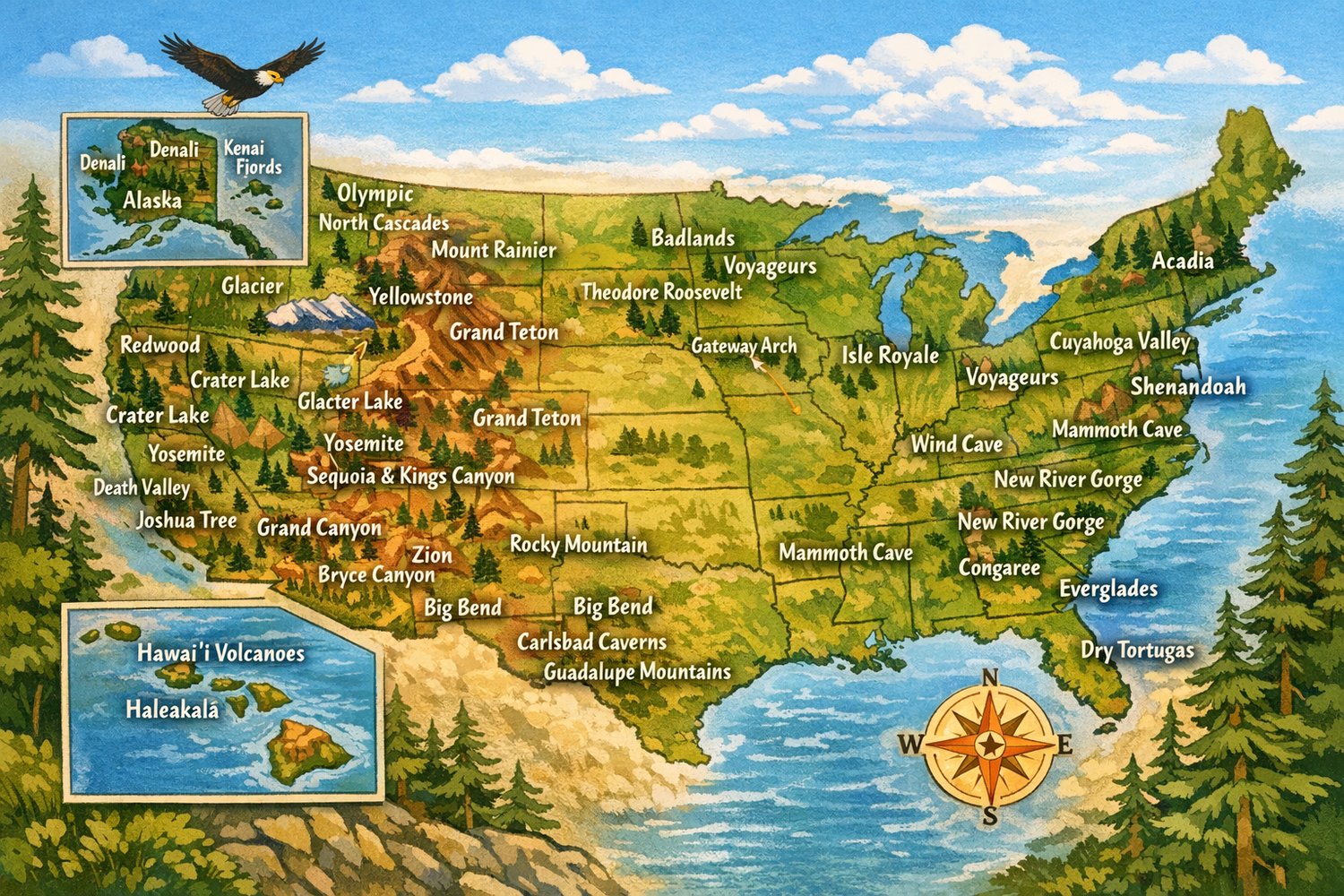
Here’s a practical look at where camping works best throughout the year.
Spring: The South and the Desert Open Up
Spring is one of the most balanced seasons for camping across the southern United States.
Southeast (Georgia, Alabama, Carolinas, Tennessee)
Mild temperatures and manageable humidity make early spring ideal before summer heat settles in. State parks and national forests are typically accessible without peak-season traffic.
If you’re planning a spring trip in the Smokies, you can check availability through Great Smoky Mountains National Park.
This season pairs well with:
- lightweight tent setups
- Early-season hiking
- Water-adjacent campsites
Southwest Desert (Arizona, Southern Utah, Southern Nevada)
Spring is arguably the best season for desert camping. Daytime temperatures are comfortable, nights are cool, and elevation changes offer flexibility.
If you’re looking at Utah or Arizona, explore reservations at:
By late May, heat becomes serious. Reliable shade and airflow become essential.
Summer: Go North or Go High
Summer in much of the U.S. means heat — sometimes intense heat.
Mountain West (Colorado, Wyoming, Montana)
High-elevation camping shines in summer. Snow clears, alpine lakes open up, and long daylight hours allow for extended evenings at camp.
For park-specific reservations:
Summer trips often require:
- Stable shelter systems
- Reliable sleep & comfort setups
- Smart food storage
Pacific Northwest (Washington, Oregon)
Late summer (July–September) offers the most stable weather.
Look into:
Earlier in the season, expect rain. Camp ventilation and moisture management matter more here than in drier regions.
Fall: The Most Underrated Season
Fall is one of the most consistent camping seasons nationwide.
Northeast (New York, Vermont, New Hampshire, Maine)
Cool air, lower humidity, and quieter campgrounds make fall ideal.
- Explore: Acadia National Park
- Adirondack region campgrounds
Colder nights mean your sleep system becomes the most important part of camp.
Midwest (Michigan, Wisconsin, Minnesota)
Lakes remain usable into early fall, and mosquito pressure drops significantly.
Check:
- Isle Royale National Park
- Upper Peninsula state park reservations
Winter: Regional Strategy
Winter camping works best in warmer climates.
Florida & Gulf Coast
Mild temperatures and lower humidity make winter ideal.
Consider:
- Everglades National Park
- Gulf Coast state park reservations
Good lighting and safe evening setups become more important during shorter days - explore dependable fire & lighting essentials before heading out.
Choose Season First, Location Second
Aligning season with region removes unnecessary friction.
When weather, terrain, and expectations line up, camping becomes less about enduring and more about enjoying.
From The Ember Logbook
Camping Bear Equipment
Gear that earns its pack space.