
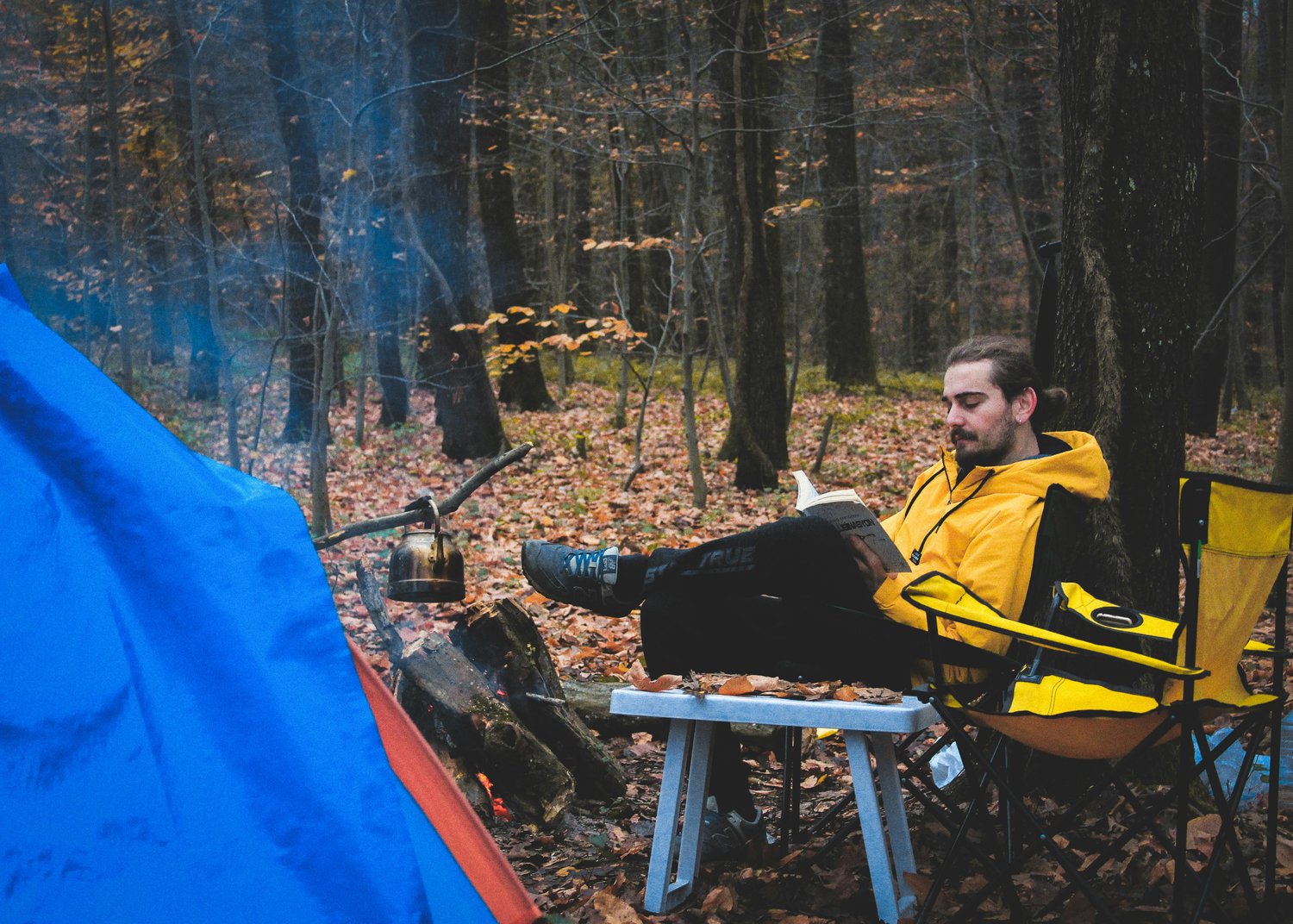
Spring and fall are often the best times to camp - fewer crowds, cooler air, clearer skies.
They’re also the easiest seasons to misjudge.
Shoulder season camping isn’t about surviving extremes.
It’s about managing fluctuation.
Warm afternoons can give way to sharp temperature drops.
A calm morning can turn into wind by late afternoon.
Sunlight disappears earlier than expected.
The difference between a great trip and a frustrating one often comes down to setup decisions made before you leave.
Build for Variation, Not Perfection
Summer gear assumes heat.
Winter gear assumes cold.
Shoulder season requires adaptability.
Start with dependable structure from Tents & Storage - something that handles shifting wind and ventilation without constant adjustment.
You don’t need overbuilt.
You need steady.
Layer Your Comfort Instead of Overcorrecting
One of the most common shoulder-season mistakes is bringing a single heavy solution for every problem.
Instead:
- A defined sleep system from Sleep & Comfort
- Adjustable lighting from Fire & Lighting
- Practical layers from Bear Wear
Layering allows you to respond without rebuilding camp every few hours.
The goal is smooth transitions - not dramatic corrections.
Rethink the Evening
Shoulder seasons mean longer evenings relative to usable daylight.
Defined lighting zones matter more than brightness.
Soft perimeter light.
Focused task light.
Controlled fire.
That’s where Fire & Lighting earns its place.
You want to extend the evening - not retreat from it.
Pack for Predictability
Spring mud.
Fall wind.
Damp mornings.
Shoulder season camping rewards preparation - but punishes overpacking.
Choose pieces that solve recurring issues. Leave the “just in case” gear behind.
When built intentionally, shoulder season trips often feel quieter and more grounded than peak summer camping ever does.
And that’s the reward.
From The Ember Logbook
Camping Bear Equipment
Gear that earns its pack space.