
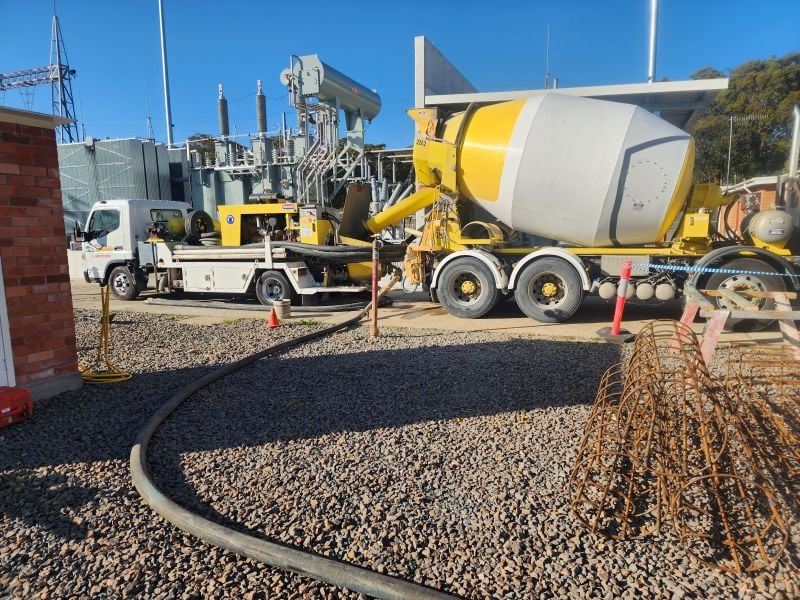
Concrete pumping has become a crucial part of modern construction, offering speed, efficiency, and the ability to place concrete precisely, even in hard-to-reach locations. While the process makes construction smoother, the safety aspect cannot be ignored. Every year, several job-site accidents occur because teams overlook basic safety guidelines. That’s why every team involved in Concrete Pumping must follow proper safety procedures to protect workers, equipment, and properties.
This detailed post outlines essential safety tips, best site practices, and guidelines to help concrete pumping teams maintain a safe working environment and improve overall project performance.
Understanding the Importance of Safety in Concrete Pumping
Concrete pumping is not only about moving concrete from one point to another. It involves powerful machines, high pressure, heavy materials, and multiple crew members working closely together. If something goes wrong, the consequences can be severe—from equipment damage to injuries or even fatalities.
A safety-focused approach:
- Prevents job-site accidents
- Improves project efficiency
- Ensures compliance with workplace safety standards
- Builds trust with clients
- Reduces downtime and operational costs
Safety is not optional—it’s a core responsibility for every concrete pumping crew.
1. Proper Training and Certification for All Operators
Training is the foundation of safe concrete pumping work. Every operator must be adequately trained, knowledgeable, and fully confident in using the equipment.
Why Training Matters
- Operators learn to identify hazards early
- They understand machine functions and limitations
- They can take quick action in emergencies
- It ensures compliance with industry safety standards
Training should cover:
✔ Equipment controls and troubleshooting
✔ Machine setup procedures
✔ Hose and boom handling
✔ Pumping techniques
✔ Pressure safety
✔ Emergency response
Certifications should be updated regularly, and new employees must undergo safety orientation before operating machinery.
2. Inspect Equipment Before Every Job
Daily Equipment Inspection: A Must for Safety
Concrete pumping machines operate under extreme pressure. Even a minor issue can turn into a significant hazard. That’s why performing a thorough inspection before every job helps identify problems early and reduces risks during operation.
A basic pre-operation checklist should include:
- Checking hoses for cracks or leaks
- Ensuring the boom is properly lubricated
- Inspecting the hydraulic system
- Verifying that all safety guards are in place
- Testing the remote-control system
- Ensuring the hopper is clean and screen guards are secure
Preventive maintenance not only ensures safety but also extends equipment lifespan and improves pumping performance.
3. Follow Proper Setup Procedures on the Job Site
Choosing the Right Setup Area
The correct setup is one of the most critical steps in safe concrete pumping. A poor setup can cause tipping, boom collapse, or pump instability.
Ensure the setup area is:
- Flat and solid
- Free from power lines
- Away from trenches, soft soil, or unstable ground
- Clear of unnecessary equipment and obstacles
Outriggers must always be used and fully extended. If the ground appears soft, place steel pads to ensure a stable foundation.
Proper setup prevents many preventable accidents and ensures the pump remains steady throughout the operation.
4. Maintain Clear Communication on the Job Site
Clear Communication Prevents Accidents
Concrete pumping involves multiple teams—pump operators, concrete truck drivers, ground workers, finishers, and supervisors. Good communication ensures that everyone is aware of their duties and understands the operation plan.
Key communication tips:
- Assign one trained signal person
- Use radio communication or hand signals
- Ensure everyone is aware of emergency procedures
- Keep workers clear of the boom and hose during operation
Good communication ensures smooth pumping flow and helps prevent trips, falls, hose whipping incidents, and collisions.
5. Be Aware of High-Pressure Hazards
Handling High-Pressure Systems Safely
Concrete pumping machines operate at extremely high pressure. Mismanagement can lead to hose bursts, blockages, and dangerous blowouts.
To avoid high-pressure accidents:
- Never stand directly in front of the hose discharge
- Keep both hands on the hose during pumping
- Wear proper PPE like gloves, boots, and helmets
- Use proper clamps and securely attach hoses
- Stop pumping immediately if pressure spikes suddenly
Pressure monitoring is a skill that operators must master to maintain job-site safety.
6. Keep a Safe Distance From Power Lines
Electrical Safety Is Critical
One of the most common hazards in construction is contact with overhead power lines. A concrete pump truck with an extended boom can easily brush against a live wire.
Safety guidelines:
- Always maintain at least 6–10 meters distance from power lines
- Use spotters to monitor boom movement
- Get a site-specific electrical hazard assessment
- If needed, request a temporary power shutdown during pumping
Electrical safety is non-negotiable because even a minor touch can cause fatal injuries.
7. Prevent Hose Blockages and Blowouts
Avoiding Blockages Saves Time and Prevents Accidents
Blockages happen when concrete stops moving inside the hose. If not handled carefully, it can cause the hose to whip violently or burst under pressure.
To prevent blockages:
- Use a consistent concrete mix
- Keep communication with the concrete truck driver
- Avoid long gaps between pumping
- Flush the line properly after use
- Follow manufacturer-recommended pressure levels
Safe operational practices reduce the risk of injuries and improve pumping efficiency.
8. Use Proper PPE at All Times
Personal Protective Equipment Saves Lives
Every worker involved in Concrete Pumping must wear:
- Hard hats
- Reflective vests
- Gloves
- Proper boots
- Eye protection
- Hearing protection if required
PPE ensures additional safety against concrete splashes, moving equipment, or unexpected hazards.
9. Emergency Procedures Must Be Clearly Understood
Emergency Response: A Key Part of Safety Training
Every team member must know what to do in case of:
- Hose burst
- Machine malfunction
- Electrical hazard
- Blockage
- Injury
A clear emergency plan can reduce the severity of injuries and prevent further damage.
Conclusion
Safety is essential in the concrete pumping industry, not just to follow regulations but to ensure that everyone on the job site goes home safely every day. By following proper training, maintaining strong communication, inspecting equipment regularly, setting up the pump correctly, and respecting high-pressure hazards, teams can significantly reduce the chances of workplace accidents. A safe work environment also boosts efficiency, improves work quality, and builds trust between contractors and clients.
Concrete pumping becomes more effective and reliable when safety is treated as a priority. By following these essential safety tips, every team can build safer project sites and ensure long-term success for all construction operations.