
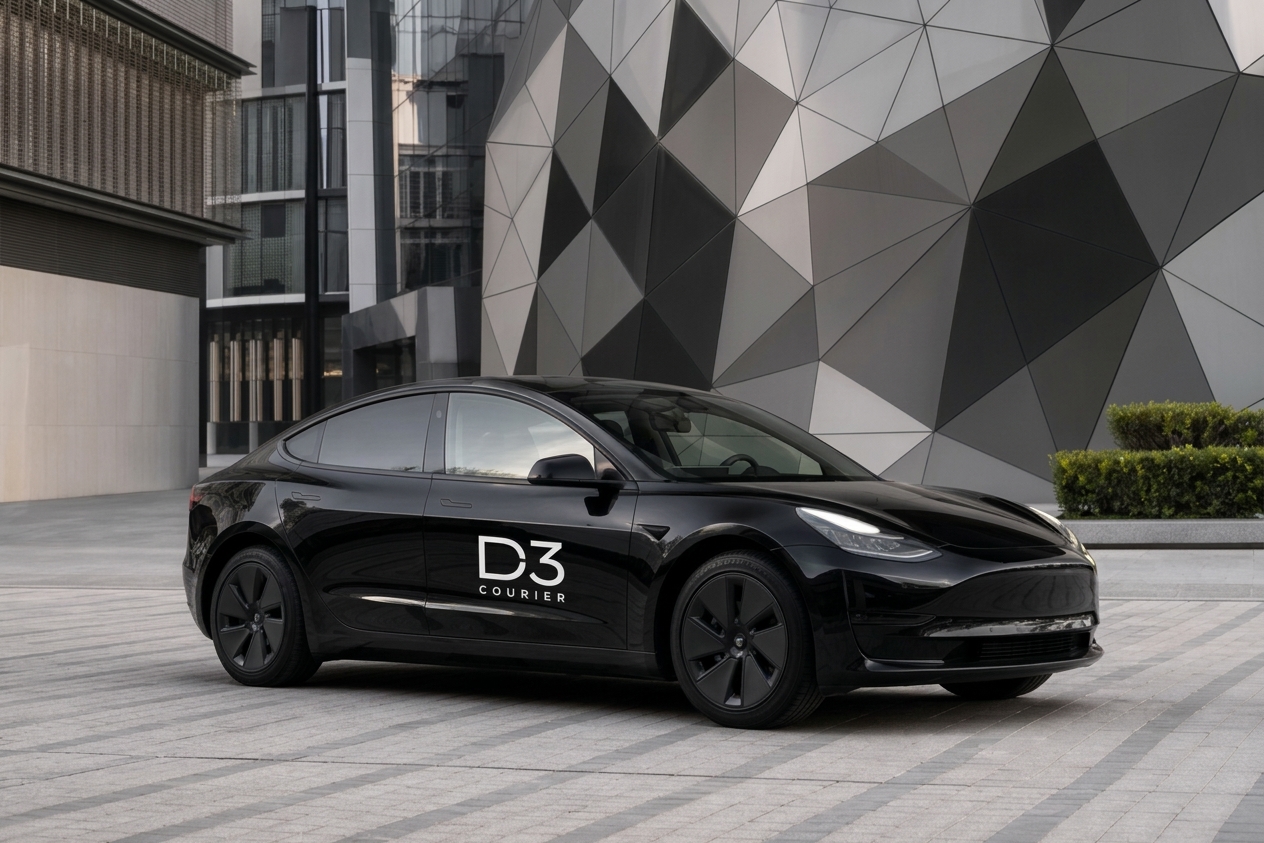
Car stickers offer a practical way to personalize a vehicle or display a business identity without covering the entire exterior. From a small logo on a door to colourful printed graphics across several panels, the right design can make a vehicle distinctive while communicating a clear message.
In Dubai, car stickers are used for personal styling, company identification, promotional campaigns, and fleet branding. The most suitable option depends on the purpose of the design, the vehicle's surface, the required quantity, and how long the graphics need to remain in place.
Before ordering custom stickers, it helps to understand the available formats, material considerations, pricing factors, and installation process. A little planning can prevent common problems such as unreadable text, unsuitable placement, or unexpected production delays.
When comparing quotations for car stickers, ask for a breakdown of the material, dimensions, quantity, design work, and installation. Confirm whether the price includes application and removal of existing graphics. Comparing the same specifications makes it easier to assess value without relying on an incomplete headline price.
What Are Custom Car Stickers?
Custom car stickers are printed or cut graphics designed for application to selected vehicle surfaces. They can display logos, business names, contact details, decorative patterns, photographs, promotional messages, or other artwork.
Printed stickers are useful when a design includes multiple colours, gradients, or detailed images. Cut vinyl graphics, by comparison, are often suitable for simpler shapes, lettering, and logos. The appropriate format depends on the artwork and the intended result.
Unlike a full vehicle wrap, stickers usually cover specific areas rather than most of the vehicle's exterior. This makes them an option for people who want a targeted design or businesses that need to identify company vehicles without changing the entire vehicle's appearance.
Personal Car Stickers vs. Business Vehicle Graphics
Although both applications use vehicle-safe graphics, personal and business projects often have different priorities.
Custom stickers for personal vehicles
Personal designs may include decorative graphics, stripes, lettering, patterns, or distinctive artwork. Placement should complement the vehicle's shape and colour rather than compete with its existing lines.
Before selecting a design, consider its size, contrast, and position. A graphic that looks balanced on a computer screen may appear different when applied to a curved door or bonnet. A vehicle-specific mock-up can help reveal these issues before printing begins.
It is also worth checking whether the chosen sticker is suitable for the intended surface. Paint, glass, and textured trim can require different materials or application methods.
Company car stickers for business branding
Businesses commonly use stickers to display a logo, service description, telephone number, or other essential company information. These details can help customers identify a vehicle during deliveries, service visits, and everyday journeys.
For effective business branding, keep the design simple. A recognizable logo and a short description are often easier to read than a long list of services. Contact details should be large enough to understand at a glance, without overcrowding the available space.
Companies with several vehicles should also standardize colours, fonts, logo proportions, and placement. Consistency helps customers recognize the business even when the fleet includes different vehicle models.
Choosing the Right Sticker Material and Printing Method
The appearance and performance of a sticker depend partly on its material and production method.
Printed vinyl stickers
Printed vinyl supports detailed artwork, multiple colours, gradients, and photographic elements. It can be suitable for promotional graphics and designs that cannot be reproduced easily using simple cut lettering.
When choosing printed vinyl, ask whether the material is intended for outdoor vehicle use and whether its specifications suit the planned application.
Cut vinyl lettering and decals
Cut vinyl is often used for simpler graphics, logos, and lettering. It can provide a clean design without requiring a printed background across the entire sticker area.
This format may suit businesses that need straightforward identification on doors or selected panels. The best choice depends on the logo, required colours, size, and surface.
Consider Dubai's outdoor conditions
Vehicles in Dubai may experience strong sunlight, heat, dust, and frequent washing. Material selection and maintenance therefore matter, particularly for graphics that will remain on the vehicle for an extended period.
Ask about expected durability under the intended conditions, suitable cleaning products, and any limitations stated by the manufacturer. Avoid assuming that every vinyl product has the same lifespan or weather resistance.
How to Plan a Sticker Design That Works
A useful design starts with a clear purpose. Decide whether the sticker is intended for decoration, company identification, a limited-time promotion, or another specific use.
For business graphics, prioritize the logo and the most important message. Use readable typography and sufficient contrast between the artwork and the vehicle's colour. Avoid placing important details across door handles, deep panel gaps, or other areas that could interrupt the design.
For fleet orders, prepare a master design and check how it will fit each vehicle model. A logo may need slight size or position adjustments to remain consistent across different doors and body shapes.
Before printing, confirm the final dimensions, colours, spelling, contact details, and placement. Written design approval reduces the risk of producing a large quantity of stickers with an avoidable mistake.
What Affects Car Sticker Printing Prices in Dubai?
There is no single price for every custom sticker project. The final quotation depends on the size, material, quantity, design requirements, and whether application is included.
The main factors to consider are:
- Sticker size: Larger graphics generally use more material.
- Material type: Different vinyl products and finishes may have different costs.
- Quantity: Ordering multiple copies changes the total material and production requirements.
- Design complexity: Detailed artwork, colour requirements, and design preparation can affect production work.
- Vehicle type and placement: Curved panels or difficult application areas may require additional labour.
- Installation: Printing alone and printing with professional application are different scopes of work.
- Existing graphics: Removing old stickers or adhesive may add preparation time and cost.
How Long Does Custom Car Sticker Printing Take?
A typical sticker printing and application project may take around 2–7 working days, depending on the sticker size, quantity, design approval, vehicle count, and installation requirements. The exact timeframe should be confirmed for the individual order.
A small, straightforward job may require less production and application work than a large order involving several vehicles. Custom artwork, revisions, complex graphics, or fleet coordination can extend the schedule.
Businesses should confirm when the turnaround period begins. For example, the stated timeline may start after the artwork has been approved rather than when the initial enquiry is made. Ask whether printing, installation, and final inspection are all included in the estimated delivery date.
For company fleets, schedule installations around operational needs so vehicles can return to deliveries or service appointments as planned. If the graphics require an advertising permit or another approval, check the applicable requirements in advance and allow for that process separately.
Finding a Suitable Car Sticker Printing Service
A search for car branding dubai can be a starting point when comparing businesses that handle vehicle graphics. However, the decision should be based on the project's requirements and the information each provider supplies.
Review examples of similar work to assess print clarity, alignment, and the way graphics fit around vehicle panels. Ask which material will be used, whether the artwork will be checked before production, and how the installer prepares the surface.
A written quotation should specify the sticker dimensions, quantity, material, production work, application requirements, and expected completion date. For fleet projects, confirm how colour and placement consistency will be maintained across vehicles.
It is also sensible to ask for care instructions and clarification of any material warranty. These details help set realistic expectations about maintenance and the intended use of the stickers.
Maintaining and Removing Car Stickers
Proper care can help keep vehicle graphics looking presentable. Follow the material manufacturer's guidance, use suitable cleaning products, and avoid abrasive tools that could scratch the sticker surface.
Inspect the edges periodically for lifting or damage, especially after frequent washing or exposure to harsh conditions. If a sticker begins to peel, seek advice before pulling at it, as improper handling can worsen the damage.
Removal results depend on the sticker material, adhesive, time in place, and condition of the underlying paint. Although vehicle stickers are designed for application to suitable surfaces, removal cannot guarantee that paint will remain unaffected in every situation. Existing paint damage or poor-quality repairs may increase the risk of problems.
For larger graphics or older stickers, professional removal may be appropriate. Confirm the removal method and any additional charge before work begins.
Make Your Sticker Project Practical and Effective
Custom car stickers can serve different purposes, from personal styling to business identification and promotional campaigns. The most suitable design balances readability, material choice, placement, budget, and the intended length of use.
Before placing an order, approve the artwork carefully, confirm the material and quantity, compare quotations based on the same specifications, and agree on a realistic delivery timeline. For businesses, consistent design across company vehicles can help reinforce recognition without requiring every vehicle to have a full wrap.
A well-planned sticker project begins with a clear objective and accurate specifications. These steps help ensure the finished graphics suit the vehicle and communicate the intended message effectively.