
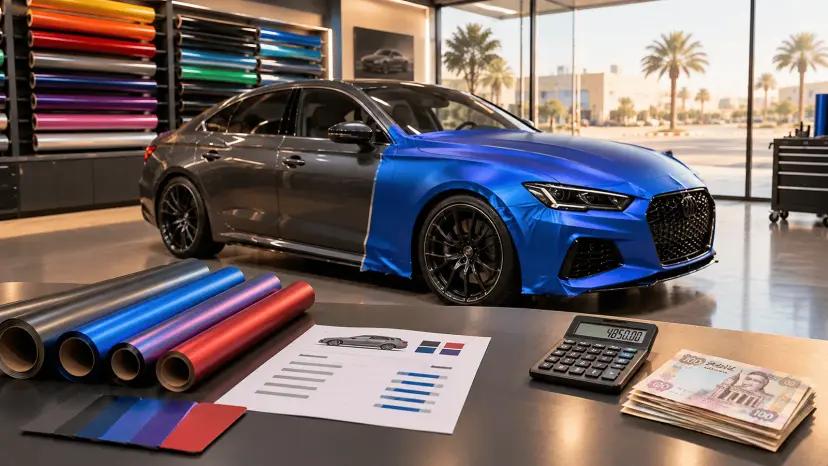
A vehicle wrap can change the appearance of a car, introduce a new colour or display custom graphics without permanently repainting its exterior. However, the finished result depends on more than the vinyl selected. Vehicle condition, surface preparation, accurate measurements and careful application all influence how the material looks once installed.
When comparing a car wrap service in Dubai, it is worth understanding the installation process before choosing a provider. A professional project should include a vehicle inspection, suitable material selection, design approval, careful application and a final quality check. Knowing what happens at each stage helps vehicle owners make informed decisions and compare quotations more accurately.
Why Does Professional Car Wrap Installation Matter?
Automotive vinyl needs to follow the contours of a vehicle. Doors, bumpers, mirrors, handles, curves and recessed areas can make application more complicated than covering a flat surface.
If the vehicle is not prepared correctly, dust or residue may become trapped beneath the film. Poor alignment can also create uneven panel transitions, visible edges or an inconsistent finish.
Installation quality is therefore just as important as the selected material. A suitable film applied carefully to a properly prepared surface is more likely to produce the intended appearance than an attractive material installed without sufficient preparation.
What Happens During a Professional Car Wrapping Project?
Understanding the main installation stages helps customers know what to discuss before handing over their vehicle.
1. Vehicle Inspection and Surface Assessment
The process should begin with an inspection of the vehicle's exterior. The installer checks the paint condition, existing damage, previous repairs and areas that may require additional preparation.
This step matters because vinyl follows the surface beneath it. Deep scratches, dents, peeling clear coat and other defects will not automatically disappear under a wrap. Some paint conditions may also affect adhesion or safe removal later.
Customers should mention any previous repainting or existing vinyl before the project begins.
2. Selecting the Wrap Material and Finish
The next step is choosing a suitable vinyl and appearance. Common options include:
- Gloss vinyl: A reflective finish that gives the vehicle a smooth, polished appearance.
- Matte vinyl: A low-gloss finish for a more understated style.
- Satin vinyl: A finish between gloss and matte.
- Metallic and textured films: Options for distinctive visual effects.
- Printed vinyl: Material used for custom graphics, patterns and business designs.
The selected film should be appropriate for automotive use and the vehicle's body shape. Ask the installer for the material brand and product specification rather than relying only on general descriptions.
3. Design, Measurements and Coverage Approval
Before installation, the design and coverage should be confirmed. This is particularly important for custom graphics and commercial vehicles.
A full wrap covers most or all of the vehicle's exterior, while a partial wrap focuses on selected areas such as the bonnet, roof, doors or side panels. The quotation should clearly identify which areas are included.
For printed designs, review the artwork, colour placement and alignment before production. A mock-up can help show how the design will appear across the vehicle's different panels.
4. Surface Cleaning and Preparation
The vehicle surface must be cleaned before vinyl application. Dust, grease, wax and other contaminants can interfere with adhesion.
Preparation may also involve removing selected components or existing graphics where necessary. The amount of work depends on the vehicle and the installation plan.
Customers should ask whether old-wrap removal, adhesive cleaning and additional surface preparation are included in the quotation.
5. Vinyl Application and Final Finishing
The vinyl is positioned and applied across the agreed panels. Installers work around curves, edges and body features to achieve consistent coverage.
After application, the vehicle should be inspected for alignment, trapped contamination, lifting edges and visible imperfections. Any finishing or post-installation steps should follow the film manufacturer's instructions.
A final inspection is a useful opportunity to discuss care instructions and any applicable workmanship warranty.
Full Car Wrap vs Partial Wrap: Which Should You Choose?
The right coverage depends on the vehicle's intended use and the appearance you want to achieve.
Full Car Wrap
A full wrap is suitable for a complete colour transformation or a design that requires broad exterior coverage. It can also be used for commercial graphics that need to extend across several vehicle panels.
Because it covers a larger area, a full wrap generally requires more vinyl and installation time than a partial application.
Partial Car Wrap
A partial wrap focuses on selected panels. It may be suitable for a contrasting roof, bonnet graphics, door branding or a design that uses the original vehicle colour as part of the layout.
This option can reduce material requirements when full coverage is unnecessary.
What Should You Consider?
Think about the purpose of the project, the desired appearance and the amount of coverage needed. If the vehicle is used for business, consider whether the logo and contact details will be visible from suitable viewing angles.
A design preview and written coverage description can help prevent disagreements about what the finished project includes.
Car Wrap, Vehicle Branding and Car Stickers: Understanding the Options
These services can work together, but they are not exactly the same.
Car Wrap for Appearance and Coverage
A car wrap is primarily a vinyl application used to change a vehicle's colour, finish or overall appearance. Printed vinyl can also carry larger graphics and advertising designs.
Decorative vinyl should not be confused with paint protection film (PPF). PPF is specifically designed for paint protection against physical impacts and road debris, while ordinary colour-change vinyl has a different purpose.
Vehicle Branding for Business Identity
Vehicle branding uses logos, brand colours, graphics and business information to identify a company on the road. It can be applied to individual cars or larger fleets.
Depending on the design, branding may use a full wrap, partial wrap or selected decals. Businesses operating cars, vans and trucks should adapt the layout to each vehicle rather than simply stretching one design across every model.
Car Stickers for Specific Messages
Car stickers are useful for displaying logos, telephone numbers, websites and promotional messages on selected areas. They may be sufficient when a business needs limited graphics rather than full exterior coverage.
For a larger campaign, printed graphics or a partial wrap may provide more space. The appropriate choice depends on the amount of information, the intended viewing distance and the vehicle's design.
What Affects Car Wrap Prices in Dubai?
Car wrapping does not have one fixed price for every vehicle. The target service page explains that quotations depend on several project-specific factors.
The main pricing considerations include:
- Vehicle size: Larger cars and SUVs generally require more vinyl than smaller vehicles.
- Coverage: Full-body wrapping usually involves more material and labour than partial wrapping.
- Vinyl material: Different product ranges and specialist films have different costs.
- Finish: Standard gloss, matte, metallic and textured finishes may have different material prices.
- Design complexity: Custom artwork and printed graphics can add design and production requirements.
- Vehicle condition: Existing damage, old vinyl or additional preparation can affect the work involved.
The target page does not provide a fixed AED price list. It explains that the final quotation depends on vehicle size, wrap type, coverage, material, finish and design complexity. Customers should therefore request a quote based on their actual vehicle and requirements rather than assume that a general starting price covers every project.
Before accepting a quotation, confirm the vinyl specification, exact coverage, preparation work, removal of old film if needed and whether any additional charges apply.
How Long Does Car Wrapping Take in Dubai?
The target service page states that most car-wrapping projects take 2–7 days. The actual timeframe depends on vehicle size, coverage and preparation requirements.
A partial wrap may involve less application work than a full-body colour change. A vehicle with complex body panels, existing vinyl or detailed printed graphics may require additional preparation.
Before booking, ask for a realistic completion estimate based on the actual vehicle. Also confirm whether the schedule includes inspection, preparation, application and final finishing.
For commercial vehicle advertising, check whether any applicable approval is needed before installation. Approval requirements and processing should be treated separately from the physical wrapping schedule.
How to Maintain a Wrapped Vehicle in Dubai
The right care routine can help maintain the appearance of a vinyl wrap. Follow the material manufacturer's instructions and the installer's advice.
Useful practices include:
- Use suitable cleaning products and non-abrasive washing tools.
- Avoid aggressive pressure washing close to film edges.
- Remove bird droppings and other contaminants promptly using an appropriate method.
- Avoid pulling at edges that appear to be lifting.
- Park in covered or shaded areas when practical.
- Ask the installer about the recommended waiting period before the first wash.
Dubai's strong sunlight and outdoor conditions make material selection and regular care particularly relevant. However, actual performance varies with the film, installation, exposure and maintenance.
Choosing a Wrap for Business Vehicles and Fleets
Businesses often have different requirements from private vehicle owners. A company may need a consistent design across several cars, delivery vans or commercial trucks.
A fleet project should begin with a shared design system that defines logo placement, colours, typography and essential contact information. The artwork can then be adjusted to suit each vehicle's body shape.
For businesses, it is also important to keep the message simple. A vehicle travelling through traffic gives viewers limited time to read the graphics, so the company name and main service should be easy to recognise.
Before approving production, review a separate mock-up for each vehicle type and agree on the installation schedule. This helps maintain consistency while reducing disruption to business operations.
Final Thoughts
A successful car wrap project depends on the complete process, not just the appearance of the vinyl. Vehicle inspection, suitable material selection, design approval, surface preparation and careful finishing all contribute to the result.
Full wraps are appropriate for broad coverage and complete transformations, while partial wraps can focus on selected panels. Businesses can also combine car wraps with vehicle branding and car stickers to create a consistent identity across individual vehicles and commercial fleets.
Before choosing a provider, compare the material specification, installation process, written coverage and realistic delivery estimate. Businesses and vehicle owners exploring a wider range of car branding shop in dubai services can consider how wrapping, branding and printed graphics fit their requirements.