
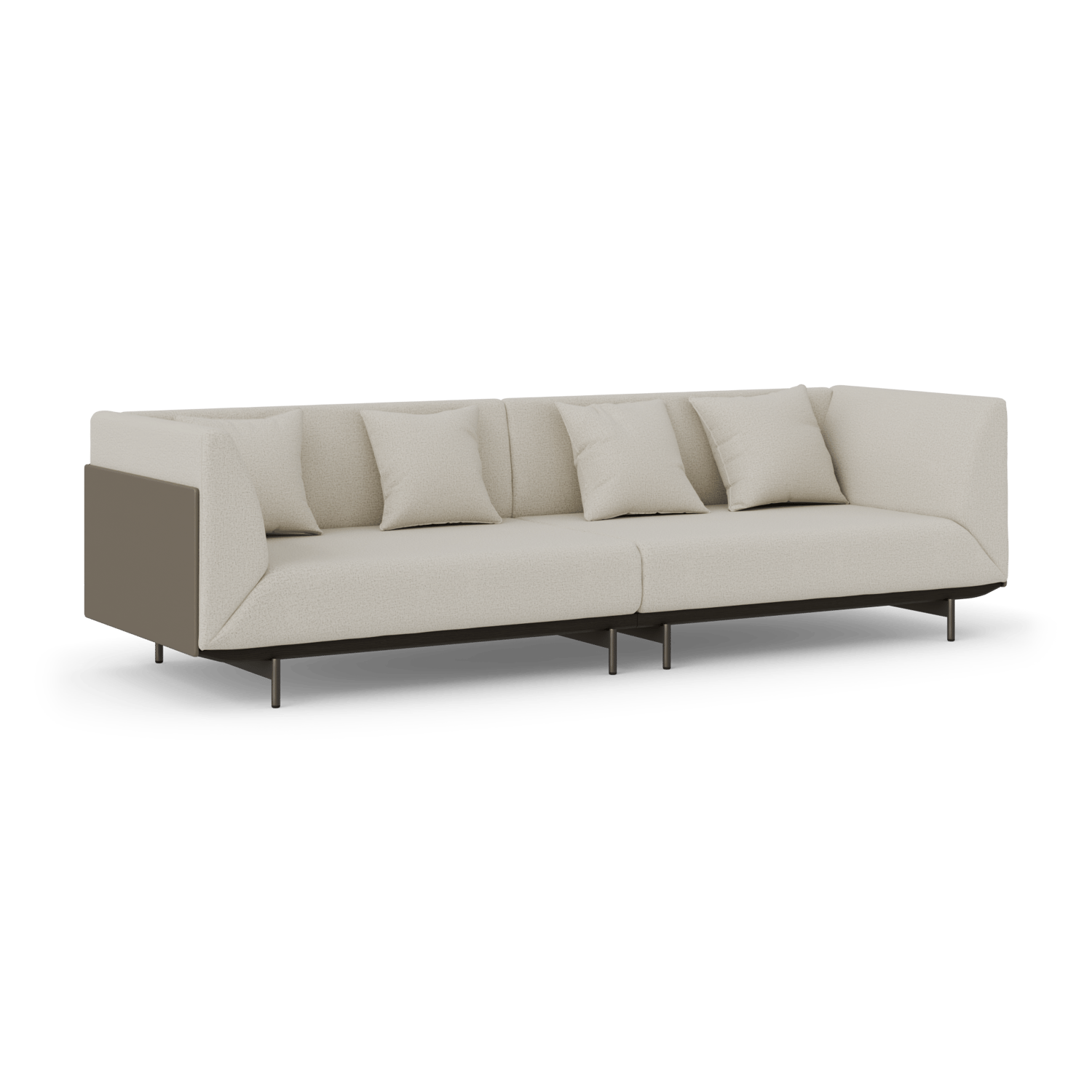
A sofa may look substantial in an Orlando showroom yet offer inadequate back support, while an elegant dresser can hide poorly aligned drawers. When comparing quality home furniture Orlando retailers display, inspect how frames, fittings and finishes serve each room's daily demands. Construction matters, but so do comfort, dimensions and maintenance. Before visiting a furniture store, note who will use each piece, how often it will see use and how much space the room allows. These questions help distinguish suitable furniture from an attractive display.
What Furniture Quality Means in Everyday Use?
Furniture quality involves several characteristics working together. Sound joints help a table remain steady; appropriate cushion support makes a sofa usable for long periods; reliable drawer hardware keeps storage accessible. A glossy surface, heavy frame or premium price cannot establish all three qualities.
Judge each item against its intended purpose. A guest-room chair may see occasional use, whereas family seating must accommodate regular sitting, movement and cleaning. Similarly, a dining table that hosts daily meals needs a surface and finish that suit frequent wiping and occasional spills. Appearance still matters, but it should not conceal compromises in function.
Ask what the product's specifications confirm and what physical inspection can reveal. A showroom test can expose wobbling, awkward proportions or stiff drawers. However, it cannot show every internal connection or predict a particular lifespan. Written material descriptions and care instructions fill some of those gaps. For storage furniture, check whether shelves sit securely and whether the cabinet remains steady with doors open. These details affect access and stability in ways a polished frontage cannot reveal.
Comparing Wood, Metal and Upholstered Furniture
Material names describe broad categories, not an automatic quality ranking. Construction, protective finishes and intended use determine how a particular piece performs.
Solid Wood and Engineered Panels
Solid wood shows natural grain variation and may expand or contract as indoor moisture changes. Species, board selection, joinery and finish influence suitability. Some solid wood surfaces permit repair, although deep damage or specialised coatings may complicate restoration.
Engineered materials include plywood, medium-density fibreboard and particleboard. Their construction differs, so inspect panel edges, joints and hardware attachments. A well-built engineered cabinet can meet ordinary storage needs, while a poorly assembled solid wood cabinet can remain unstable. Wood veneer adds a thin natural wood surface over a supporting substrate; do not confuse it with printed wood-look coverings. If a cabinet has a wood-look finish, examine corners for lifting edges and ask how to clean them. Heat, abrasion and moisture can affect different coatings differently.
Metal Frames and Upholstered Surfaces
Metal furniture deserves checks for stable connections, protective finishes and smooth edges. For seating, upholstery appearance reveals little about the underlying frame or cushion construction. Compare fabric, leather and synthetic coverings according to cleaning instructions, texture and household use rather than unsupported durability labels. Seat padding and back support also influence comfort independently of the covering.
Choose Different Furniture Checks for Different Rooms
The same inspection method cannot assess every furnishing. Seating, sleeping, dining and work furniture face different demands, so evaluate the parts that carry weight or move during ordinary use.
Living Room Sofas and Chairs
Sit on sofas for several minutes, change posture and stand up. Compare seat depth, cushion firmness, back support and arm height. A soft first impression does not necessarily suit extended sitting. Check that the frame feels stable, inspect upholstery seams and operate reclining mechanisms with staff assistance. Sectional sofas can provide generous seating, although a chaise may restrict walking space in a narrow room.
Beds and Bedroom Storage
Inspect bed-frame connections, legs and mattress supports. Confirm which mattress dimensions and support arrangements the manufacturer specifies. A storage bed also needs clearance for drawers or lifting hardware. On dressers and bedside cabinets, test drawer movement and alignment. Tall storage pieces may require wall anchoring according to product instructions; plan for that installation before buying.
Dining Furniture and Work Desks
Gently test dining-table stability and check whether the legs interfere with chairs. Pull out each chair to assess seating room and support. Extendable tables need reliable mechanisms and sufficient space when opened. For a desk, assess surface depth against actual equipment, legroom, cable access and chair movement. Shelving requires appropriate supports and attention to the manufacturer's load recommendations. Where children use dining chairs, also check whether backrests and legs feel secure during ordinary movement; do not rely on appearance alone.
Inspect Joints, Hardware and Finishes Closely
Good-looking furniture may contain weak connections or poorly fitted components. Although a customer cannot inspect every hidden joint, several simple checks can reveal functional problems before purchase.
- Frame stability: Apply gentle pressure during normal use and notice rocking, excessive flex or unusual noises.
- Drawer movement: Open drawers fully and check whether runners move smoothly without scraping.
- Doors and hinges: Examine alignment, closing action and gaps around cabinet fronts.
- Leg connections: Look for loose fittings or obvious movement where legs meet the frame.
- Upholstery seams: Check for irregular stitching, loose threads and uneven material tension.
- Surface edges: Inspect chipped finishes, rough patches and exposed vulnerable panel edges.
Ask the retailer for manufacturer details where visual checks cannot establish frame materials, cushion composition or recommended loads. A single sturdy-looking feature does not prove the quality of the entire product.
Measure for Comfort, Movement and Delivery
Furniture fits successfully only when people can use the surrounding room. Measure the room's length, width and available wall space, then mark windows, doors, outlets and existing furnishings. Compare each item's full width, depth and height with this sketch. For example, a sofa with deep seats may occupy more walking space than a wider model with a shallower profile.
Allow room to open dresser drawers, move dining chairs and extend recliners. In addition, measure the delivery route through doorways, corridors, stair turns and elevators. Packaging dimensions may exceed the assembled furniture's footprint. Orlando condominium or apartment buildings may have their own delivery arrangements, so check any access restrictions with building management rather than assuming a delivery team can bring the item inside.
Plan Maintenance Around Materials and Indoor Conditions
Surface finishes change both appearance and cleaning requirements. A sealed dining top may tolerate different care from an oiled wooden surface. Meanwhile, upholstery fabrics, leather and synthetic coverings can require separate cleaning products. Follow each manufacturer's directions and ask whether replacement cushions or hardware are available where relevant.
Indoor conditions also matter in Florida. Wood can respond to changes in humidity, and prolonged direct sunlight may affect some finishes or fabrics. Air conditioning, ventilation, room placement and local moisture sources influence the conditions furniture actually faces. Avoid assuming the outdoor climate automatically damages indoor pieces. Protect surfaces from unnecessary moisture, address spills promptly and use suitable pads or coasters where appropriate. An indoor-only product should not move to a covered patio unless its specifications permit that use.
Make the Showroom Visit a Practical Comparison
Record the exact product configuration rather than relying on a display label. A sofa may use different upholstery or modules from the version a customer orders. Similarly, a sample cabinet may have a different finish or internal layout. When a finish or fabric differs from the display, request a physical sample and compare its texture and care instructions with the original model.
Before paying, establish:
- The materials and dimensions of the exact item selected.
- Whether the quoted piece matches the showroom sample.
- What assembly, mounting or anchoring the product requires.
- Whether the item is new, a floor model or clearance stock.
- Which care instructions and written specifications accompany it.
Clearance furniture does not automatically indicate poor construction. However, inspect display pieces for surface wear, missing components and damaged hardware. Confirm whether condition or sale status changes the available return options.
Compare Total Cost and Written Purchase Conditions
Price reflects materials, manufacturing, upholstery, mechanisms and sometimes delivery or assembly arrangements. Yet a higher figure does not guarantee better support or a more suitable layout. Compare products with similar dimensions and functions, then weigh their construction and maintenance needs against the complete cost. Frequently used seating may deserve different spending priorities from occasional guest furniture.
Request an itemised quotation that identifies any delivery, carrying, assembly or installation charges. Review stock availability and the expected delivery arrangements for the exact finish and configuration. Before finalising payment, read return eligibility, refund conditions, possible restocking charges and warranty exclusions. Ask exactly how to report delivery damage or missing parts and retain the written agreement. Retailer policies vary, especially for custom orders and clearance products.
Conclusion
Quality home furniture should meet a household's practical needs rather than merely look impressive on a showroom floor. Compare construction, materials and comfort, then confirm that the dimensions allow everyday movement and delivery access. In Orlando homes, sensible indoor care and appropriate finishes also deserve attention. A careful showroom inspection can reveal visible issues, while written specifications explain what it cannot. Before ordering, check the exact configuration, complete cost and purchase conditions. Select the furniture that performs its intended task comfortably within the room and budget.