


Planning a trip to China can feel overwhelming, especially when trying to keep costs under control. From bustling cities like Beijing and Shanghai to serene landscapes like Guilin, this vast country offers countless experiences—but that doesn’t mean it has to be expensive. With a little preparation and smart choices, you can enjoy the trip of a lifetime while sticking to your budget. In this blog post, you’ll discover practical tips and strategies for saving on everything from flights and accommodations to food and activities. By the end, you’ll feel confident and ready to plan a budget-friendly adventure in China that doesn’t compromise on quality or excitement.
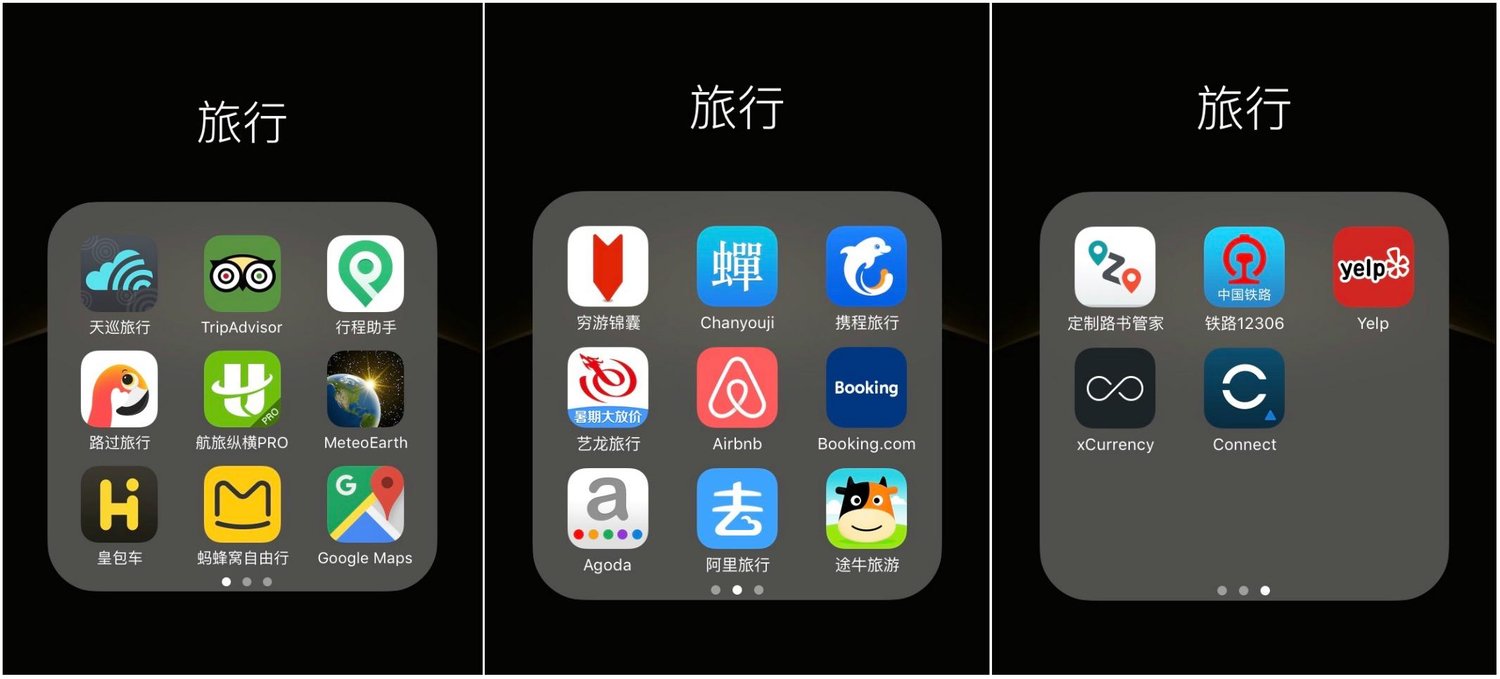
1. Research and Plan Your Itinerary
Decide Your Travel Goals
- Identify Interests: Determine whether you're drawn to historical landmarks, natural landscapes, or urban experiences. This focus will help streamline your itinerary and avoid unnecessary expenses.
- Select Key Destinations: Choose cities and regions that align with your interests. For example:
- Historical Enthusiasts: Beijing, Xi’an, Nanjing
- Nature Lovers: Guilin, Zhangjiajie, Yunnan Province
- Urban Explorers: Shanghai, Shenzhen, Chengdu
Focus on Affordable Regions
- Off-the-Beaten-Path Locations: Exploring lesser-known destinations can be more cost-effective and offer authentic experiences. Consider places like:
- Dali: A historic town in Yunnan with rich cultural heritage.
- Qingdao: A coastal city known for its beaches and beer culture.
- Harbin: Famous for its ice and snow festival, offering a unique winter experience.
Time Your Visit Wisely
- Shoulder Seasons: Traveling during spring (April to May) or autumn (September to October) can result in lower prices and pleasant weather.
- Avoid Peak Holidays: Steer clear of Chinese national holidays like Golden Week (October 1–7) and Chinese New Year, when travel costs surge, and attractions are crowded.
2. Book Flights Strategically
Use Price Comparison Tools
- Flight Aggregators: Utilize platforms like Skyscanner, Kayak, or Google Flights to compare prices across multiple airlines and find the most affordable options.
Be Flexible with Dates and Airports
- Mid-Week Travel: Flying on Tuesdays or Wednesdays often results in cheaper fares compared to weekend flights.
- Alternative Airports: Consider flying into secondary airports or nearby cities if it significantly reduces costs. For instance, flying into Tianjin and taking a train to Beijing can be more economical.
Consider Budget Airlines
- Domestic Carriers: China has several low-cost airlines, such as Spring Airlines and West Air, offering competitive prices for domestic flights.
- Baggage Policies: Be aware of luggage restrictions and additional fees on budget airlines to avoid unexpected costs.
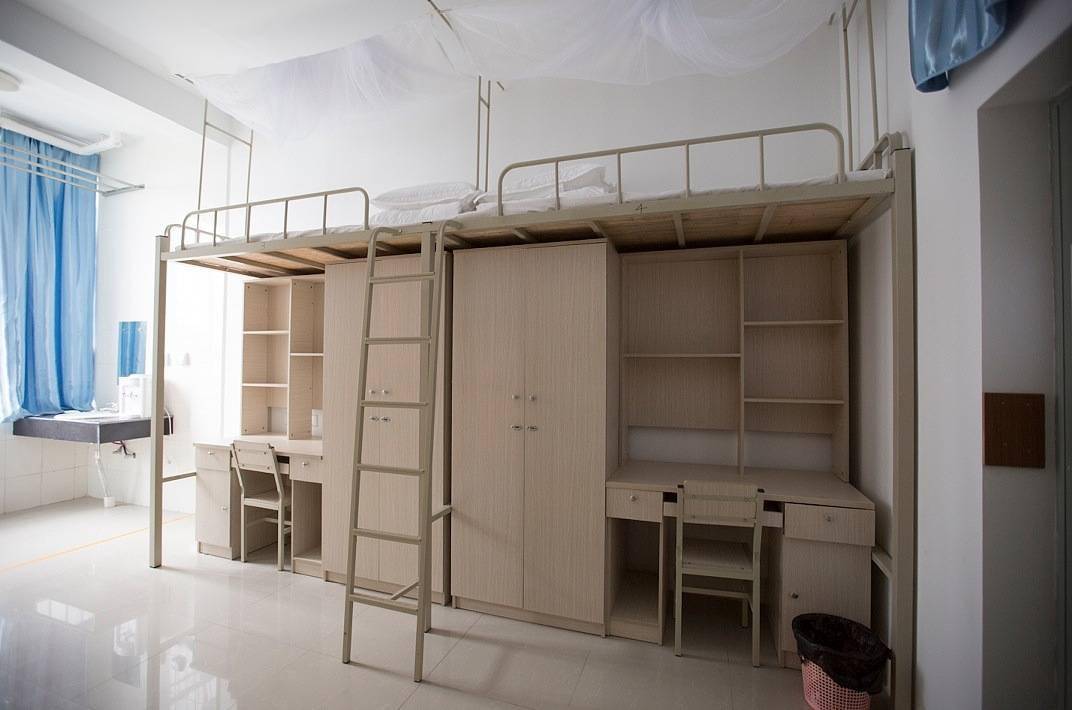
3. Save on Accommodations
Budget-Friendly Options
- Hostels: Ideal for solo travelers and backpackers, hostels provide affordable dormitory and private rooms.
- Guesthouses: Experience local hospitality at family-run guesthouses, often cheaper than hotels.
- Budget Hotels: Chains like Hanting, 7 Days Inn, and Jinjiang Inn offer clean, basic rooms at reasonable prices.
Book Smart
- Online Platforms: Use booking websites such as Agoda, Booking.com, or Ctrip to find discounts and read reviews.
- Advance Reservations: Booking accommodations ahead of time can secure better rates, especially during peak travel seasons.
Alternative Stays
- Homestays: Platforms like Airbnb offer opportunities to stay with locals, providing cultural immersion and cost savings.
- Couchsurfing: For the adventurous, Couchsurfing connects travelers with hosts offering free accommodation, fostering cultural exchange.

4. Get Around Affordable
Public Transportation
- High-Speed Trains: China’s extensive rail network is efficient and economical for intercity travel.
- Booking Tickets: Purchase tickets through official websites or apps like 12306.cn, or use agencies like Ctrip for English services.
- Seat Classes: Second-class seats are the most budget-friendly option, offering comfort at a lower price.
- Subways and Buses: Major cities have comprehensive metro systems with fares starting as low as ¥2. Buses are even cheaper, though routes may be more complex.
Ride-Share Apps
- Didi Chuxing: China’s equivalent of Uber offers affordable ride-sharing services.
- App Accessibility: The Didi app has an English version, making it user-friendly for international travelers.
- Payment Methods: Link a foreign credit card or use WeChat Pay/Alipay for seamless transactions.
Walk and Bike
- City Exploration: Many Chinese cities are pedestrian-friendly, and walking is a great way to explore local neighborhoods.
- Bike Rentals: Services like Mobike and Ofo offer convenient bike-sharing options, accessible via smartphone apps.

5. Eat Deliciously on a Budget
Local Street Food
- Night Markets: Experience authentic flavors at night markets, where you can find dishes like jianbing (savory crepes), chuan'r (skewers), and baozi (steamed buns) for as little as ¥5–¥10.
- Hygiene Tips: Choose vendors with high turnover to ensure freshness, and observe local dining spots for guidance.
Affordable Restaurants
- Family-Run Eateries: Small, local restaurants often offer hearty meals at lower prices compared to upscale establishments.
- Dumpling Shops: Specialty dumpling restaurants provide filling and inexpensive options, with plates of dumplings costing around ¥15–¥30.

Shop at Markets
- Fresh Produce: Visit local markets to buy fresh fruits, snacks, and ready-made meals at affordable prices.
- Packaged Foods: Pick up Chinese snacks or instant noodles for a quick, budget-friendly bite during your travels.
Carry a Reusable Water Bottle
- Refill Stations: Save money by refilling your bottle at hostels, train stations, or public water dispensers instead of buying bottled water.
- Safety Tip: Ensure the water is boiled or filtered before drinking to avoid health issues.
Traveling to China on a budget is entirely possible with thoughtful planning and smart choices. From finding affordable flights and accommodations to saving on meals and activities, these strategies will help you make the most of your trip without overspending.
By following these tips, you’ll be able to immerse yourself in China’s rich history, stunning landscapes, and vibrant culture—all while staying within your budget. Ready to embark on your adventure? Use our city guides and resources to start planning your budget-friendly trip to China today!
Comments ()