

Traveling to China is an exciting experience, but staying connected can be a challenge if you don’t plan ahead. The country has a unique internet landscape, with many popular Western apps and websites blocked by the Great Firewall. Whether you need access for navigation, communication, or work, it’s essential to understand your options before arriving.
In this guide, we’ll break down the best ways to stay online in China, covering SIM cards, pocket WiFi, public networks, and VPNs. By the end, you’ll know exactly how to access the internet seamlessly during your trip.
1. Understanding Internet Restrictions in China
China heavily regulates its internet, meaning many commonly used websites and apps are blocked. Here are some of the major platforms you won’t be able to access without a workaround:
🚫 Google (Search, Gmail, Google Maps, YouTube, Drive, etc.)
🚫 Facebook & Instagram
🚫 WhatsApp & Messenger
🚫 X (formerly Twitter)
🚫 Netflix & other streaming services
🚫 Many foreign news sites (BBC, The New York Times, etc.)
Instead, China has its own ecosystem of apps:
✅ Search Engine: Baidu (instead of Google)
✅ Messaging & Social Media: WeChat (instead of WhatsApp)
✅ Navigation: Amap & Baidu Maps (instead of Google Maps)
✅ Video & Entertainment: Youku & Bilibili (instead of YouTube)
How can you bypass these restrictions? The solution is to get a VPN before you arrive (more on that later).
2. Getting a Local SIM Card in China
If you want the most reliable and cost-effective way to stay online, getting a Chinese SIM card is your best bet.
Best SIM Card Providers
China has three main telecom providers:
✔ China Mobile – Widest coverage, best for rural areas.
✔ China Unicom – Best for foreign devices, strong coverage in cities.
✔ China Telecom – Good for some areas but may have compatibility issues with international phones.
📌 Recommended Option for Travelers: China Unicom (supports most foreign phones and has flexible tourist plans).
Where to Buy a SIM Card
🔹 Airports – Convenient but slightly more expensive.
🔹 Official stores – Best prices and reliable setup, but may require some Chinese.
🔹 Online before traveling – Websites like China Unicom’s international store or travel SIM providers allow you to buy in advance.
🔹 eSIM (For eSIM-compatible phones) – Options like Airalo, Holafly, or China Unicom’s eSIM plans allow you to skip physical SIM cards.
How to Activate a SIM Card
📄 You MUST have your passport to buy and activate a SIM card in China.
📱 The staff will help you set it up, or you may need to adjust your phone’s APN settings.
💰 Plans typically range from ¥50-200 ($7-30 USD), depending on data and call limits.
🚀 Pro Tip: If you're staying in China for a short trip (1-2 weeks), get a prepaid tourist SIM with a generous data package.
3. Using Pocket WiFi for Internet Access
If you’re traveling in a group or need multiple devices connected, Pocket WiFi can be a good alternative to a SIM card.
Pros & Cons of Pocket WiFi
✅ Pros:
✔ No need to switch SIM cards.
✔ Can connect multiple devices at once.
✔ No need for a VPN for some services.
❌ Cons:
✖ More expensive than a SIM card (~$5-10 per day).
✖ Requires charging (battery life varies from 6-12 hours).
✖ Needs to be rented in advance.
Where to Rent a Pocket WiFi
🔹 Online in advance – Websites like Ctrip, Klook, or Rent ‘n Connect allow you to book before you travel.
🔹 Airport pickup – Many Chinese airports have rental kiosks.
🔹 Hotels & local rental shops – Some hotels provide rental services for guests.
🚀 Pro Tip: If you plan to move around frequently or use maps often, a SIM card is more convenient than Pocket WiFi.
4. Connecting to Public WiFi in China
Public WiFi is widely available in China, but using it isn’t always straightforward.
Where to Find Free WiFi
📍 Hotels & Hostels – Usually have free WiFi, but speeds vary.
📍 Cafés (Starbucks, Luckin Coffee) – Require phone verification.
📍 Airports & Train Stations – Available but may be slow.
📍 Malls & Tourist Attractions – Often require a Chinese phone number to log in.
Challenges of Using Public WiFi
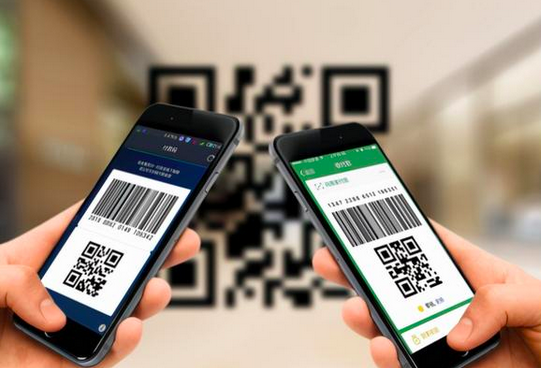
❗ Many WiFi networks require a Chinese phone number for SMS verification.
❗ Public networks can be slow and unreliable in crowded areas.
❗ Security risks – Always use a VPN to protect your data.
🚀 Pro Tip: If relying on public WiFi, install WiFi Master Key (a popular app in China for finding and connecting to free WiFi).
5. Setting Up a VPN Before Traveling
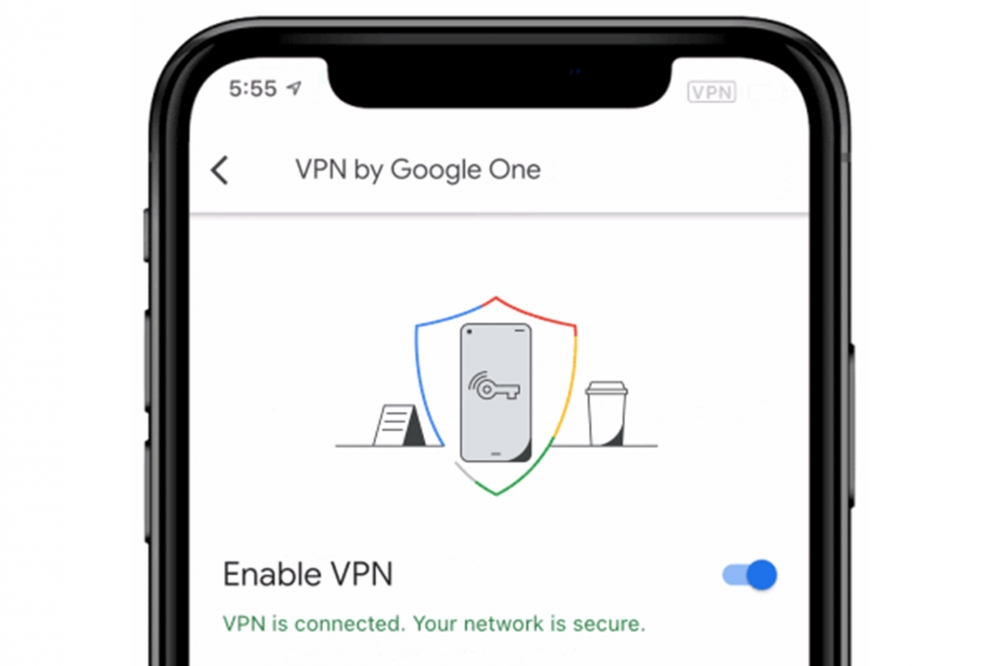
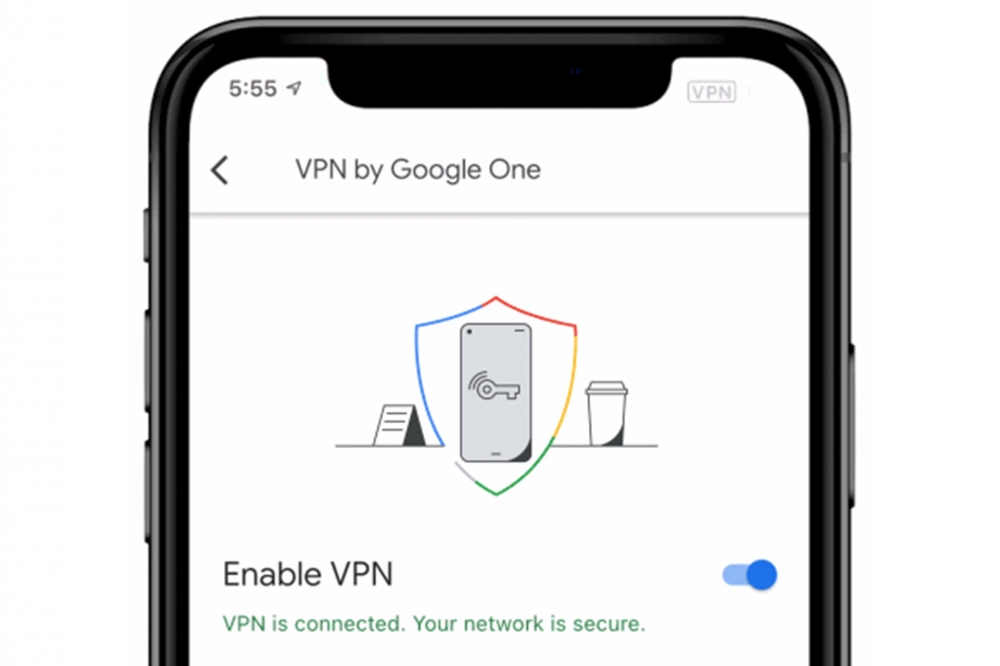
A VPN (Virtual Private Network) is a must if you want to access Google, Facebook, Instagram, WhatsApp, or any other blocked services in China.
Best VPNs for China (2025 Edition)
🔹 ExpressVPN – Fast and reliable, great for streaming.
🔹 NordVPN – Strong security and good speeds.
🔹 Surfshark – Budget-friendly with unlimited devices.
🔹 AstrillVPN – One of the most consistent for China, but expensive.
How to Set Up a VPN Before You Arrive
✅ Step 1: Subscribe to a VPN before traveling (VPN websites are blocked in China!).
✅ Step 2: Download and install the VPN app on all your devices.
✅ Step 3: Test it before you leave to ensure it works properly.
✅ Step 4: Have multiple VPN options, as some get blocked periodically.
🚀 Pro Tip: Some paid VPNs offer stealth mode to bypass China’s firewall more effectively.
6. Alternative Ways to Stay Connected
If you prefer not to use a SIM card or VPN, here are some alternatives:
📡 International Roaming – Expensive, but some carriers offer China-specific plans.
💬 WeChat for Communication – Works without a VPN and is widely used for messaging and payments.
🗺 Offline Apps – Download Maps.me, Pleco (dictionary), and Google Translate (offline mode) before your trip.
What’s the Best Option for You?
💼 For Business Travelers: China Unicom SIM + ExpressVPN
🌏 For Frequent Travelers: eSIM + NordVPN
🎒 For Budget Travelers: Local SIM + Free WiFi + WeChat
👨👩👧 For Families/Groups: Pocket WiFi + Backup SIM Card
By preparing ahead of time, you can stay connected smoothly throughout your trip to China.
👉 Want more insider tips? Check out our travel guides for detailed advice on each Chinese city!
Comments ()