


When visiting China, understanding and respecting cultural norms can make all the difference in how you're perceived by locals and the experiences you have during your trip. Chinese cultural etiquette, while rooted in tradition, continues to influence everyday interactions and expectations. By embracing these practices, you can show respect, foster positive connections, and avoid unintended misunderstandings.
Here’s your ultimate guide to navigating Chinese etiquette, covering everything from greetings to dining practices and even gift-giving traditions.
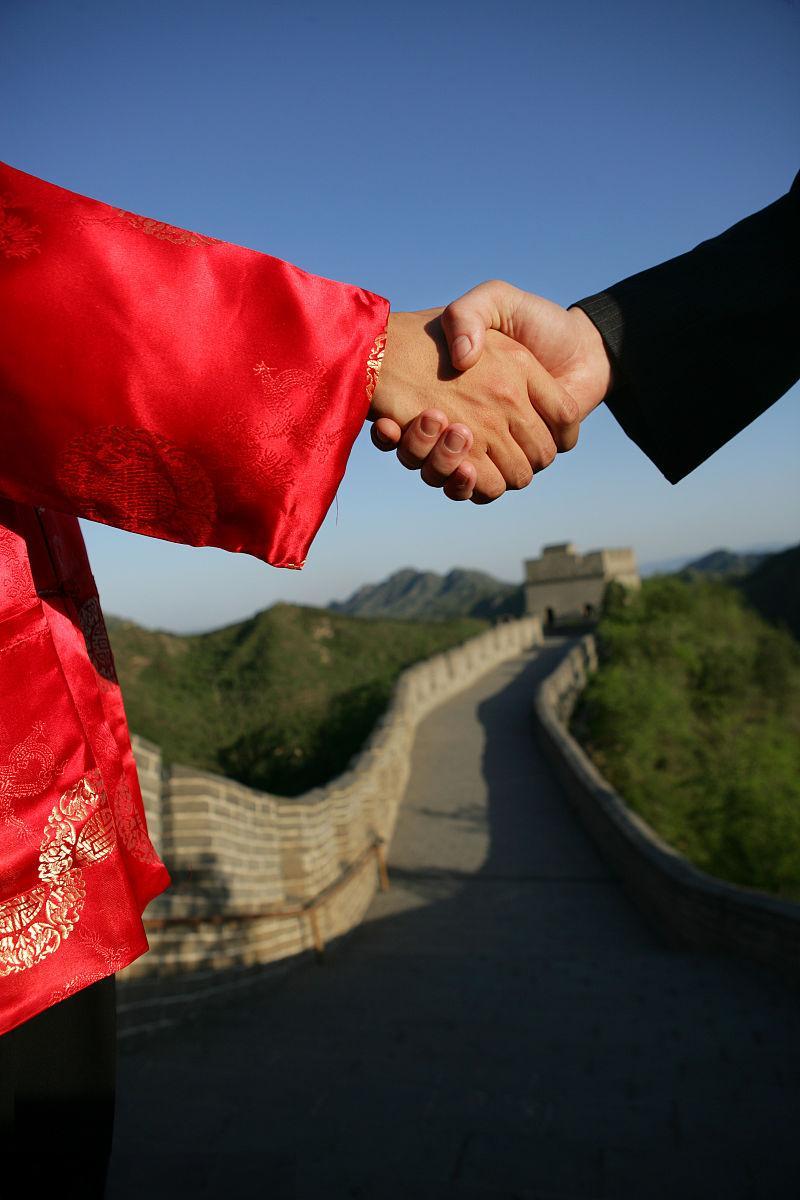
1. Greetings and First Impressions
In Chinese culture, first impressions matter. Politeness and respect are highly valued, especially when meeting someone for the first time.
Do:
- Offer a polite handshake accompanied by a slight nod. While some people may not initiate a handshake, they will generally appreciate the gesture if you do.
- Address people formally by their title and last name unless they invite you to use their given name. For example, refer to someone as "Mr. Zhang" or "Professor Li."
- Prioritize elders when greeting a group, as respecting age is a fundamental aspect of Chinese culture.
Don’t:
- Avoid overly physical greetings like hugs, pats on the back, or kisses on the cheek. These are uncommon in professional and social settings in China.
- Refrain from being overly casual in tone or demeanor during first meetings. Warmth is appreciated, but professionalism comes first.
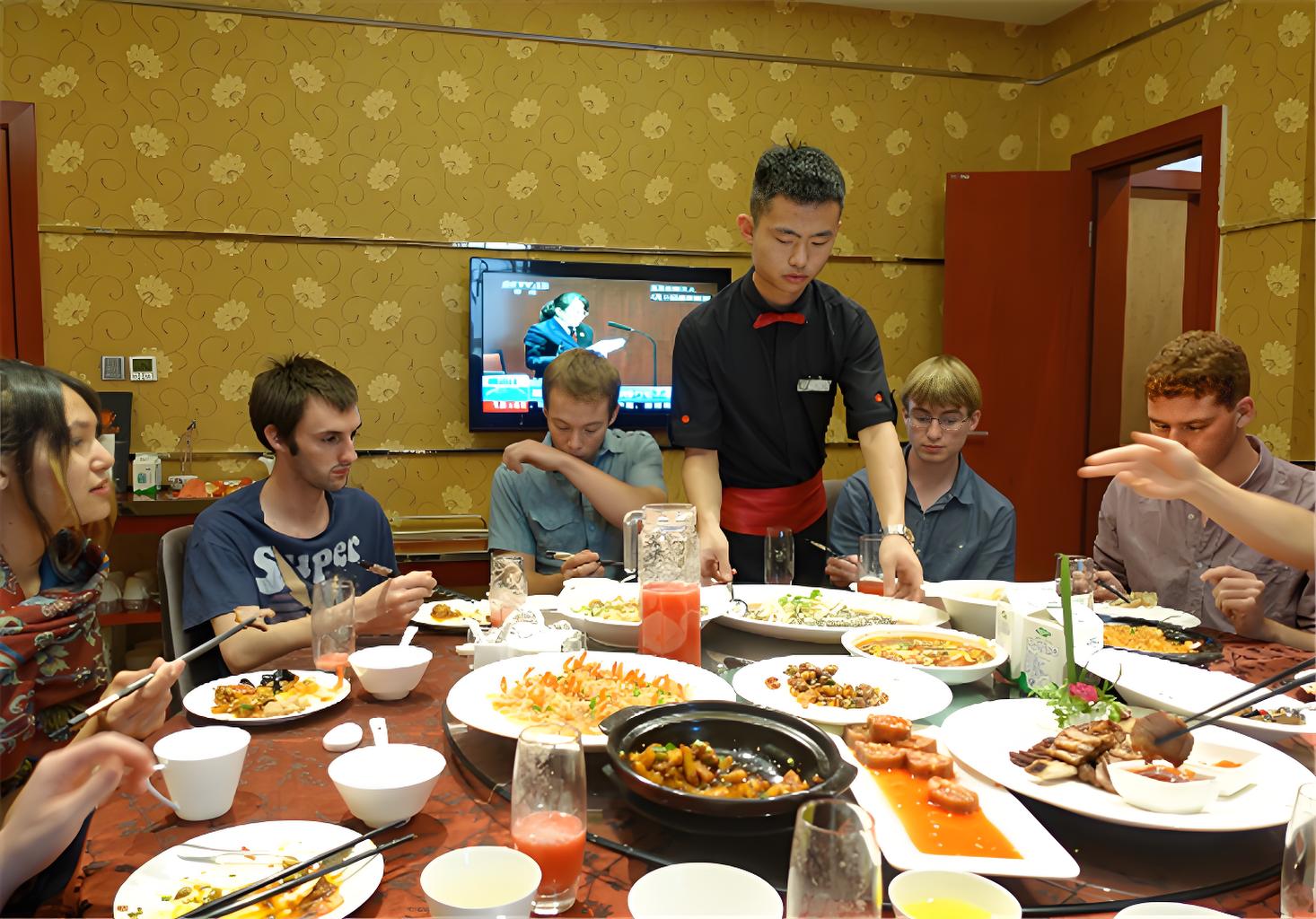
2. Table Manners and Dining Etiquette
Food is at the heart of Chinese culture, and dining traditions are steeped in meaning. Whether you're dining in a high-end restaurant or a local eatery, these guidelines will help you navigate meal times with ease.
Do:
- Wait for the host to invite you to begin eating or drinking. This is a sign of respect for the host's role.
- Sample a bit of every dish, as it shows appreciation for the effort that went into preparing the meal.
- Use both hands when passing or receiving bowls, cups, or other items, as this demonstrates politeness.
Don’t:
- Never stick your chopsticks upright in a bowl of rice. This resembles incense used during funerals and is considered inauspicious.
- Avoid tapping your chopsticks on your bowl, as it’s considered impolite and reminiscent of begging.
- Don’t waste food. While it’s polite to leave a little on your plate to signal generosity, finishing most of what’s served is expected.

3. Gift-Giving Customs
Gift-giving is an integral part of Chinese culture, especially during social or business interactions. The way gifts are given and received carries significant meaning.
Do:
- Present gifts with both hands. This small gesture demonstrates respect and sincerity.
- Choose thoughtful, well-wrapped gifts, avoiding colors like white or black for the wrapping paper, as these are associated with mourning.
- Politely refuse a gift a few times before accepting it. This modesty is a cultural norm and shows you don’t appear greedy.
Don’t:
- Avoid giving clocks, knives, or scissors as gifts. Clocks symbolize running out of time, and sharp objects can signify severing a relationship.
- Don’t open gifts immediately unless the giver insists. Opening a gift on the spot is not the norm in Chinese culture.

4. Communication and Body Language
The subtleties of communication in China can be quite different from what Western travelers are accustomed to. While the spoken word matters, nonverbal cues and indirect communication are equally important.
Do:
- Speak in a calm, measured tone. Loud or overly animated speech may come across as aggressive.
- Pay attention to subtle cues and read between the lines. Many Chinese people use indirect communication to convey their true intentions.
- Use a soft smile and nod to acknowledge understanding or agreement.
Don’t:
- Avoid pointing with your index finger. Instead, use an open hand or your whole palm to gesture.
- Don’t maintain excessive eye contact. While it may be seen as a sign of confidence in the West, too much eye contact can feel confrontational in China.
- Steer clear of sensitive topics such as politics, religion, or personal wealth in casual conversations.
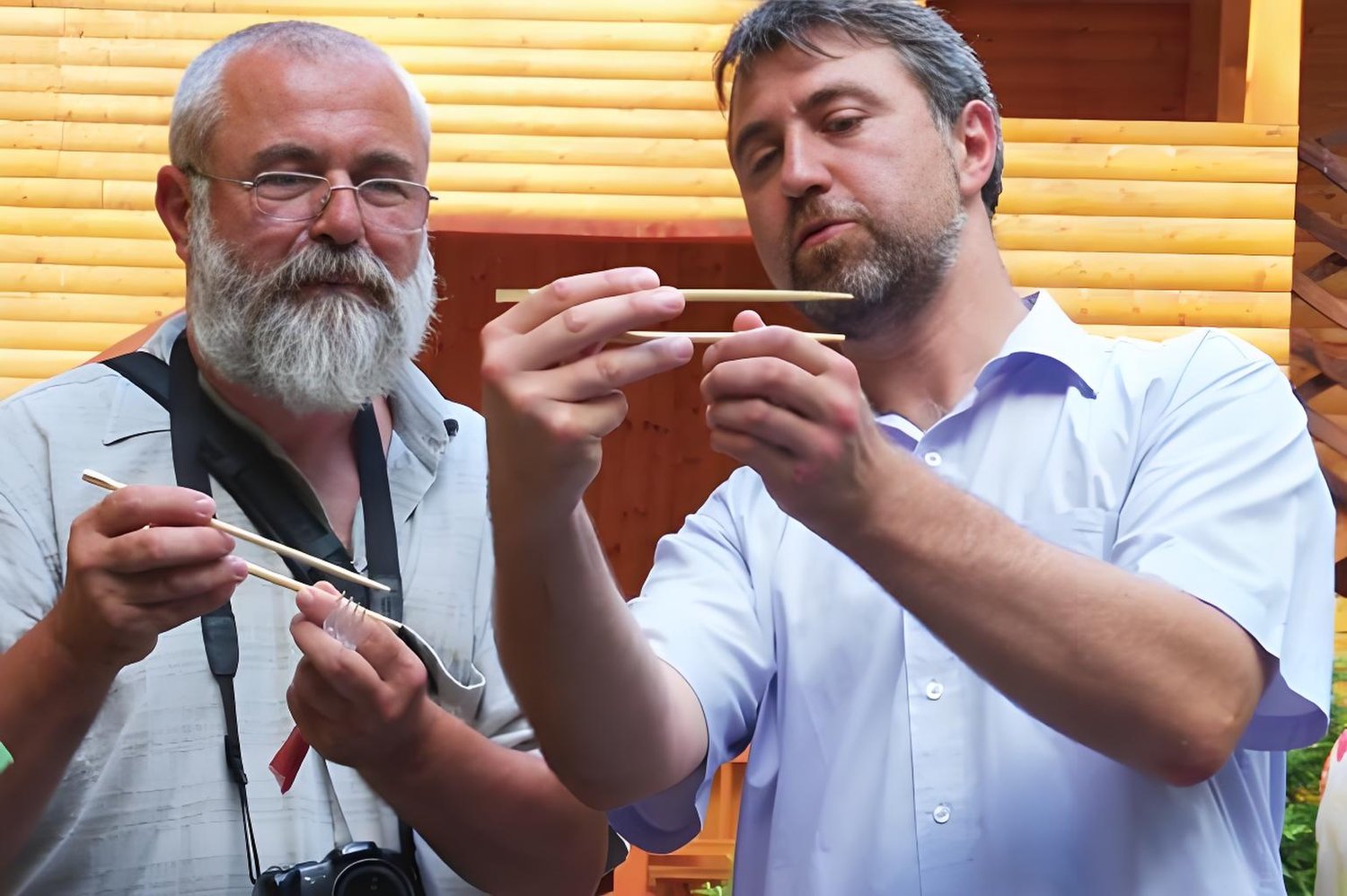
5. Public Behavior and Social Norms
How you conduct yourself in public spaces is another area where cultural differences may be noticeable. Observing these norms ensures you’re respectful of local customs.
Do:
- Stand patiently in line when waiting for public transport or service. While crowded situations can be chaotic, respecting the queue is expected.
- Carry business cards if engaging in professional activities. Present and receive cards with both hands, taking a moment to examine them before putting them away.
- Respect personal space, especially with elders or authority figures.
Don’t:
- Avoid public displays of affection. While holding hands may be acceptable, kissing or hugging in public is uncommon.
- Refrain from speaking too loudly in places like temples, public transport, or during ceremonies.
- Don’t openly criticize Chinese culture or compare it negatively to your own. Polite curiosity and interest will always be better received.
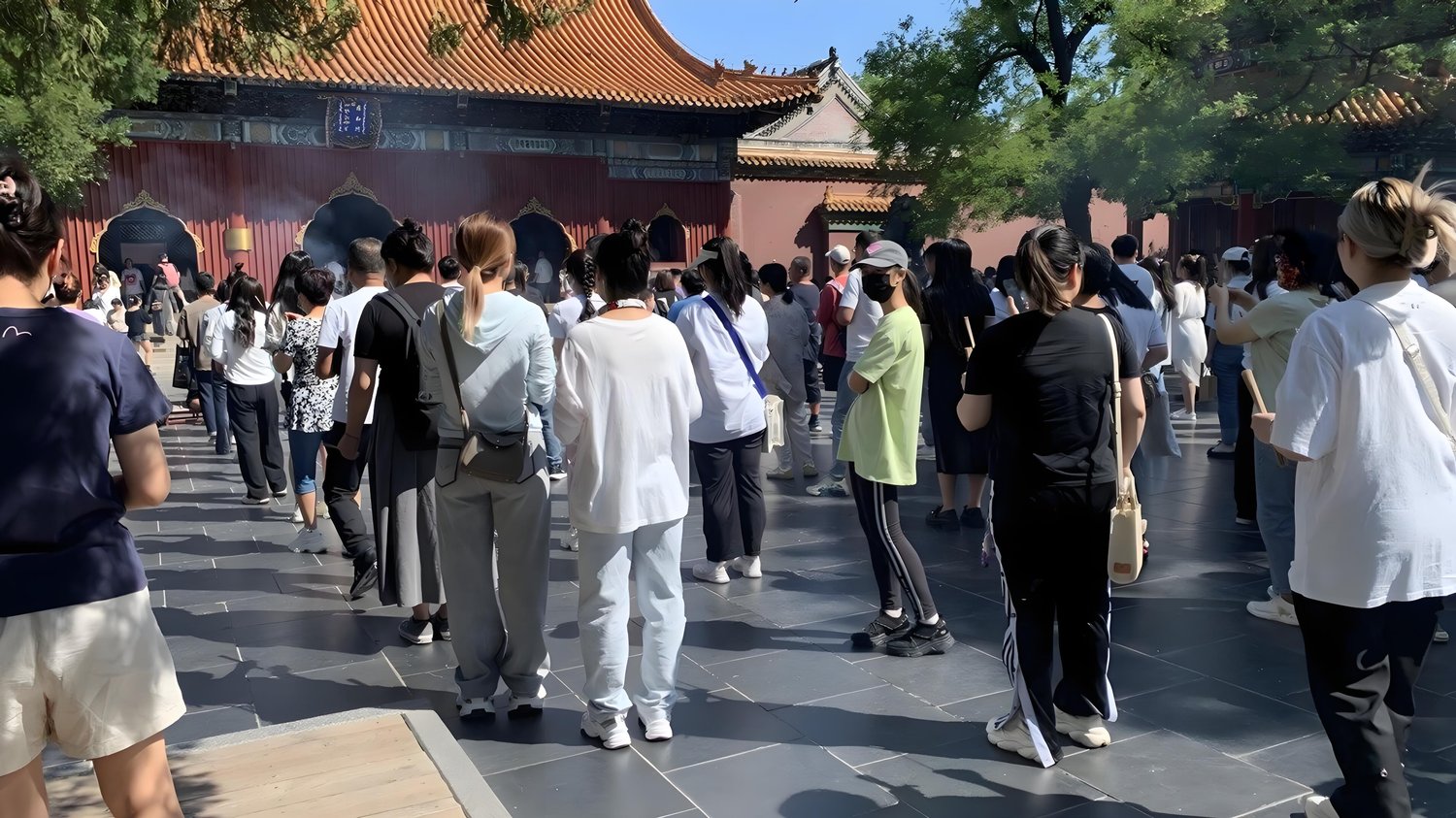
6. Temple and Cultural Site Etiquette
China is home to countless temples, historic landmarks, and sacred spaces. Observing proper etiquette at these sites will enhance your experience and show respect for local beliefs.
Do:
- Dress modestly, especially when visiting religious or sacred spaces. Avoid wearing shorts, sleeveless tops, or revealing clothing.
- Bow slightly as a gesture of respect when entering temples or sacred spaces.
- Follow photography rules as indicated by signage. In some places, photos may be prohibited to preserve the sanctity of the site.
Don’t:
- Avoid touching religious artifacts or statues. Many objects hold spiritual significance and should not be handled.
- Don’t turn your back directly on statues of deities. This is considered disrespectful.
- Refrain from loud conversations or disruptive behavior in these spaces.
---
Conclusion
Understanding and practicing Chinese cultural etiquette is a valuable way to enrich your travels and build meaningful connections with locals. By embracing traditions and showing respect for cultural norms, you’ll not only avoid potential faux pas but also gain deeper insights into this fascinating and diverse country.
Before you embark on your journey, take the time to familiarize yourself with the nuances of Chinese culture. Small gestures, such as addressing someone correctly or dining respectfully, can leave a lasting positive impression.
Ready to explore more tips and insights for your trip to China? Check out our full collection of travel guides to make your journey unforgettable!
Comments ()