


Planning a trip to China but worried about the language barrier? You’re not alone! Many Western travelers hesitate to visit China because they don’t speak Mandarin. The good news? You don’t need to be fluent in Mandarin to have an amazing experience.
With the right tools, strategies, and a little confidence, you can navigate China easily—from ordering food to taking a taxi—without knowing a single Chinese character. This guide will show you exactly how to travel China comfortably using just English.
1. Essential Tools to Overcome the Language Barrier
Technology is your best friend when traveling in China without Mandarin. Here are must-have tools to make your trip easier:
📱 Translation Apps
Google Translate (with offline mode) – Translates text, voice, and images.
Pleco – A powerful dictionary with instant character recognition.
WeChat Translate – Built-in messaging translation (a must for chatting with locals!).
🗺 Offline Maps & Guides
Baidu Maps – China’s version of Google Maps (limited English support).
Apple Maps – Works well in major cities.
A printed city map – Just in case!
💡 Quick Tips:
✅ Download translations in advance for offline use.
✅ Screenshot key phrases (like your hotel address).
✅ Use translation apps for menus, signs, and street names.

2. Navigating Transportation Without Mandarin
China’s transportation system is efficient but can be intimidating if you don’t read Mandarin. Here’s how to get around stress-free:
🚇 Subways & Public Transport
Most major cities (Beijing, Shanghai, Guangzhou) have English signs.
Use subway apps like MetroMan to plan routes.
Always carry a subway map in English and Chinese.
🚖 Taxis & Ride-Sharing
Didi (China’s Uber) has an English version—download before you arrive!
Show your destination in Chinese (either written down or on your phone).
Avoid hailing taxis on the street—drivers rarely speak English.
🚅 High-Speed Trains & Flights
Book tickets through Trip.com (supports English).
Train stations have English signage but can be overwhelming—arrive early!
Keep your passport handy—you’ll need it for ticket collection.
💡 Pro Tip: Take a screenshot of your destination in Chinese and show it when needed!

3. Ordering Food and Dining Out
Chinese food is incredible, but ordering can be tricky if there’s no English menu. Don’t worry—these tips will help you enjoy authentic meals with ease.
🍜 How to Order Without English
Look for picture menus—many restaurants have them.
Use Google Lens to translate Chinese menus in real time.
Point at dishes other diners are eating if something looks good!
🗣 Key Dining Phrases to Know
“I don’t eat spicy food” – Wǒ bù chī là (我不吃辣).
“No meat, please” – Bù yào ròu (不要肉).
“Check, please” – Mǎi dān (买单).
🌮 Street Food & Markets
Vendors often don’t speak English—pointing and gestures work best!
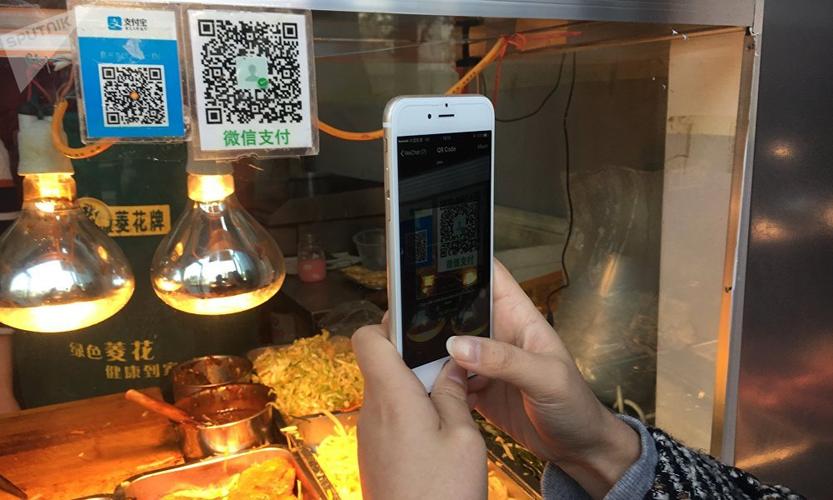
Have small bills (or use WeChat Pay/Alipay for cashless transactions).
Try local specialties—but ask about ingredients if you have dietary restrictions.
💡 Pro Tip: If in doubt, say "Zhège" (这个) while pointing—it means "this one!"
4. Booking Hotels & Communicating with Locals
🏨 Choosing the Right Accommodation
Stay at hotels with English-speaking staff.
Use Trip.com or Agoda for hotels that cater to Western travelers.
Carry your hotel’s address in Chinese (on a card or phone).
📌 Essential Hotel Phrases
“Do you have WiFi?” – Yǒu wúxiàn wǎng ma? (有无线网吗?)
“I have a reservation” – Wǒ yǒu yùdìng (我有预订).
“Where is my room?” – Wǒ de fángjiān zài nǎlǐ? (我的房间在哪里?)
🆘 Asking for Help Without Mandarin
Use simple words and gestures.
Show maps, addresses, or screenshots instead of trying to pronounce Mandarin words.
WeChat is key! Many locals will add you and use the app’s translation feature.
💡 Pro Tip: Ask hotel staff to write your destination in Chinese before heading out.

5. Engaging with Locals and Enjoying the Culture
😊 The Power of Non-Verbal Communication
A smile and nod go a long way!
Use hand signals, pointing, and body language.
Be patient—most locals appreciate the effort.
🗣 Helpful Phrases to Learn
Even knowing a few words makes a big difference!
Hello – Nǐ hǎo (你好)
Thank you – Xièxiè (谢谢)
Excuse me – Bù hǎo yì si (不好意思)
How much? – Duō shǎo qián? (多少钱?)
📲 Using WeChat to Communicate
WeChat is China’s #1 communication tool.
Locals can add you and translate messages instantly within the app.
Many restaurants and businesses also use WeChat for customer support.
💡 Pro Tip: If you’re lost, show a map or address in Chinese to locals—they’re often happy to help!
Conclusion
Traveling in China without Mandarin is 100% possible—and it’s easier than you think!
With translation apps, simple communication tricks, and an open mind, you’ll navigate transportation, order delicious food, and connect with locals without stress.
Final Travel Tips:
✅ Download essential apps before arriving.
✅ Carry important addresses in Chinese.
✅ Use body language and WeChat to communicate.
✅ Don’t be afraid to ask for help—locals are friendly and willing to assist!
So, don’t let the language barrier stop you from experiencing China’s incredible culture, food, and history. Pack your bags, embrace the adventure, and enjoy the trip of a lifetime!
Have questions or concerns? Drop them in the comments below! 👇
Comments ()