
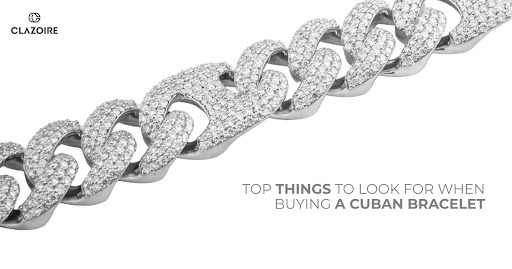
Jewelry has always had a significant influence on many cultures. Especially when it comes to the hip-hop arena, jewelry is much more than just a fashion accessory. They are status symbols. One such chain that is often considered one of the most influential is a Cuban bracelet. Made famous during the 1970s and 80s along with the rising hip-hop culture, these bracelets and chains were often considered an accessory just for the artists.
However, with the design's evolution and innovative designs, these bracelets have become one of the must-haves in your collection. However, with the array of options to choose from, finding the best bracelet for your use and your style statement is not always easy. Not to mention the amount of fakes and replicas in the market, it is essential to know the basics of Cuban jewelry. In this blog, we will discuss the top things to look for while choosing a Cuban bracelet.
What is a Cuban Bracelet?
Before we can get into the nitty-gritty of Cuban jewelry, it is essential to know a little about the history and the distinct features. Cuban jewelry is a style of jewelry that features thick and slightly flattened interlinked oval or round links that are finished with a flat and smooth finish to give out a premium and luxurious look.
This style of jewelry came into the fore in the 1970s and 80s and mainly originated in Miami and the nearby Latin communities. In the initial designs of these chains, a simple interlocking link was featured. However, recognizing the potential of this style, Miami artisans evolved the designs to feature a signature, thick, rounded style that later came to be known as Miami Cuban Link.
Key Material Choices in Cuban Bracelets
While the design is undoubtedly important, choosing the right material is essential for a Cuban bracelet not only to look its best, but also to ensure its longevity. Choosing the material is not just limited to the base material; it is also essential to select the right stone as well.
Material Choices
Choosing the right material for the base of your Cuban jewelry is essential, as all the stones and links would be made on these stones. Therefore, if this material is not fit for the use, there could be significant damage.
- 925 Silver: This is one of the most commonly used metals for Cuban bracelets and chains. 925 Silver is made with 92.5% silver and 7.50% alloy, which gives a premium look at a reasonable price. While a relatively lower price is undoubtedly a big positive, the main benefit lies in the everyday potential of this metal.
- 14/18K Gold: If you want to add an extra touch of class and luxury to your Cuban jewelry, then 14 or 18k gold is the right metal for you. Not only is this very premium in terms of looks, but since it is made with solid gold, it adds more value and longevity to the jewelry.
Stone Choices
- Moissanite Stones: Once a rare naturally occurring mineral found in meteorites, moissanite stones are now widely produced in labs for jewelry. However, just because they are not natural does not mean moissanite bracelets are inferior.
- Lab-Grown Diamonds: While some may try to knock them off due to their 'unnatural formation,' the reality is that when it comes to the physical properties and looks, it is impossible to differentiate between natural and lab-grown diamonds. These properties and, of course, the lower price compared to natural diamonds, make lab-grown diamond bracelets one of the favorites in Cuban jewelry.
Top Things to Look For While Buying Cuban Jewelry
- Craftsmanship & Construction: When buying Cuban jewelry, it is essential to thoroughly inspect the craftsmanship and construction of the item. Make sure that all the links are uniform, tightly connected to one another and feel smooth and flat. Also ensure that the soldering used for finishing is invisible, consistent and secure.
- Weight and Flexibility: The weight and the flexibility of a chain are crucial in determining your use case. If you plan to use a chain regularly, then it is advisable to go for a heavier chain, as it is usually a sign of solid construction. However, if the chain is weak and very flexible, then it is advisable to use it occasionally, as daily wear and tear could cause damage.
- Width and Size: This is again a crucial aspect to consider, depending on your use case. If you want a subtle and classy look, then a thinner width and lighter chain may be better suited. However, if you want a bold and flashy look, then a wider and heavier bracelet is the way to go.
- Authenticity and Certifications: Given the number of fakes and replicas on the market, it is essential to safeguard your investment with proper certifications. If you are buying a golf bracelet, ensure that it has proper makers' hallmarks. Similarly, if you are opting for a lab-grown diamond bracelet, ensure that it has proper certifications from the International Gemological Institute (IGI).
Final Words
With the rise in new and subtle designs, Cuban bracelets are no longer just a hip-hop-centric accessory. Now, they are widely considered one of the must-haves in any jewelry collection. Especially with Christmas just around the corner, Cuban jewelry can be a great gift for your loved ones.
If you are looking for a reliable seller with a wide range to choose from, check out Clazoire. Visit their website and enjoy a site-wide 15% off.
FAQs
What is a Cuban bracelet?
A Cuban bracelet features interlocking, flattened links for a classic curb style that lies close to the wrist
Should I choose solid gold or plated?
Solid gold lasts longer and retains value; gold plating looks similar but can wear off over time.
How do I pick the right width?
Narrower widths (4–6 mm) are more subtle, while wider (8 mm+) make a bolder statement.
Are heavier bracelets always better?
A heavier feel often suggests more solid construction, but comfort matters too.
How do I care for my Cuban bracelet?
Clean gently with mild soap and dry thoroughly; remove during strenuous or wet activities to preserve the finish.