
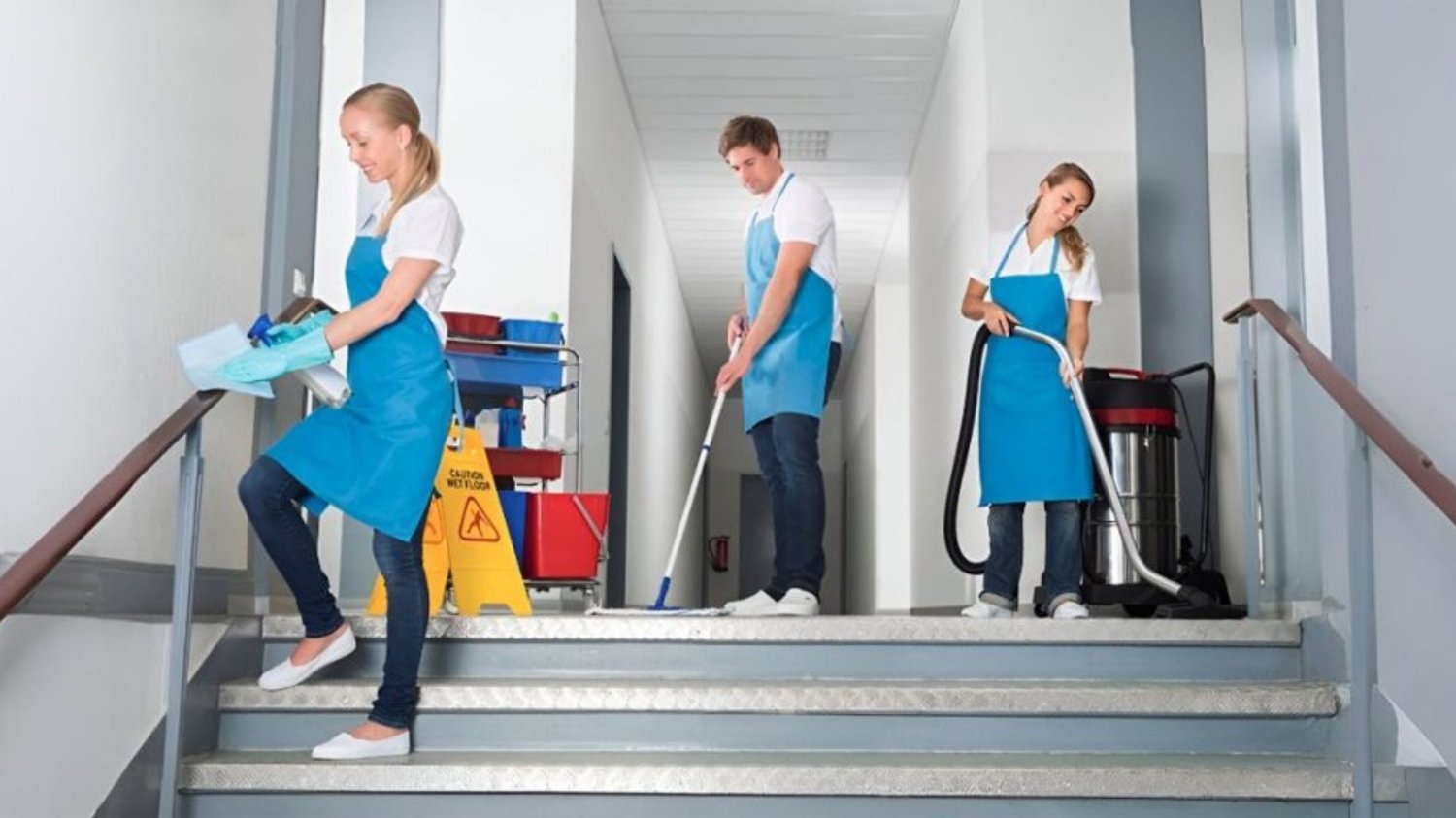
Commercial school cleaning in Los Angeles is a service category with very specific demands, and most campuses are not meeting them with the programs they currently have in place. Schools carry a combination of high occupancy density, vulnerable age groups, regulated chemical standards, and tight instructional schedules that make generic janitorial coverage inadequate. A cleaning strategy designed around those realities looks meaningfully different from a standard office program, and the gap between the two is where most facility problems originate.
What Makes a School a Different Kind of Facility
Most commercial buildings operate on predictable cycles. Schools do not. Classrooms turn over between periods. Cafeterias serve hundreds of students in compressed lunch windows. Gymnasiums shift from PE to assemblies to evening events without much notice. Each of those transitions creates a cleaning requirement that an overnight-only program cannot address.
The restroom problem alone illustrates the point clearly. A school restroom used by 400 students between 8 a.m. and 3 p.m. is not a facility that can wait until 10 p.m. for its first service. It needs a scheduled check cycle during school hours, tied to occupancy patterns and stocked against demand. That requires a different staffing model than most vendors propose.
The campuses with the fewest facility-related complaints tend to have cleaning programs structured around how the school actually operates, not around how cleaning companies prefer to schedule.
The Compliance Dimension Most Bids Ignore
California maintains strict standards around chemical use in occupied buildings, particularly in facilities serving children. Low-VOC cleaning products, EPA-registered disinfectants, and background-checked staff are not optional features for LA-area schools. They are increasingly baseline expectations in district procurement, and vendors who cannot document compliance on each of those points should not be in the final evaluation.
That documentation layer is also where commercial school cleaning in Los Angeles separates credible vendors from commodity ones. Asking for written proof of product certifications, staff clearance procedures, and quality control protocols at the proposal stage is one of the most effective ways to filter the shortlist before a single site visit.
Construction Cleanup and the Return-to-School Window
Campus renovation cycles create a specific and often underestimated cleaning challenge. Construction cleanup in Los Angeles school environments involves removing fine silica dust, construction adhesive residue, and airborne particulate from HVAC systems, surfaces, and flooring before students return. This is not a task that overlaps cleanly with standard janitorial work. It requires a phase-by-phase protocol, HEPA filtration equipment, and timeline coordination with the general contractor. Schools that treat post-renovation cleanup as an extension of regular cleaning routinely end up with air quality problems in the first weeks back.
What a Purpose-Built Program Looks Like
Commercial school cleaning in Los Angeles done correctly is structured around three operational realities: the instructional calendar, the occupancy pattern, and the specific compliance framework the campus operates under. Vendors who understand all three can build a program that reduces reactive calls, improves air quality metrics, and lowers the total cost of facility management over a full academic year. That outcome is available to most campuses. It just requires asking more specific questions during the vendor selection process.
FAQs: School Cleaning in Los Angeles
How often should high-touch surfaces be disinfected in an LA school?
High-touch surfaces including door handles, desk surfaces, restroom fixtures, and shared equipment should be disinfected at least once daily, with increased frequency during illness season or following a confirmed exposure. Daytime cleaning staff are essential for maintaining this standard during active school hours, not just overnight service.
What certifications should a school cleaning vendor carry in California?
Look for documented use of EPA-registered disinfectants, staff with current background clearance consistent with campus access policies, general liability and workers' compensation insurance, and product compliance with California VOC regulations. Green Seal or UL ECOLOGO certification is a strong secondary indicator of product standards.
Is post-construction cleanup different from regular school cleaning?
Yes. Post-construction cleanup requires HEPA filtration, phase-specific protocols, and coordination with the construction schedule to ensure particulate and chemical residue are fully cleared before occupancy. Standard janitorial crews are not typically equipped or trained for this scope, and attempting to use them for construction cleanup often results in incomplete results.
How do school cleaning schedules account for testing weeks and assemblies?
A well-structured program adjusts cleaning windows and daytime service frequencies around the academic calendar, including testing periods, assemblies, and early release days. This requires advance coordination with school administration and a vendor capable of flexible staffing rather than a fixed recurring schedule.
What is the typical cost of commercial school cleaning in Los Angeles?
Pricing varies significantly by campus size, service frequency, and scope. Most LA-area school cleaning programs are priced per square foot or by service tier, with specialized protocols such as daytime porter coverage and disinfection programs priced separately. Facilities directors should request fully itemized proposals rather than bundled flat-rate quotes to compare vendors accurately.