
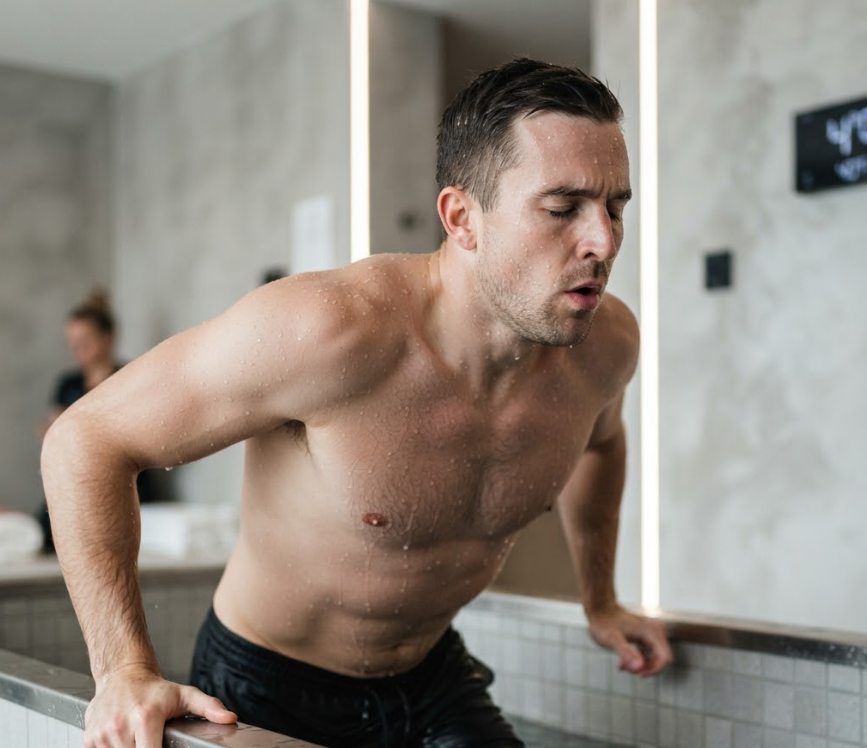
The wellness industry is witnessing an explosive surge in the popularity of cryotherapy and deliberate cold exposure. From high-end gyms and recovery centers to boutique spas, the commercial cold plunge has become a centerpiece for modern athletic recovery and mental health protocols. However, transitioning from a small, residential setup to a high-traffic facility introduces a new set of operational demands. Managing a commercial cold plunge tub is not merely about maintaining a low temperature; it is a complex balancing act of water chemistry, filtration efficiency, and stringent safety protocols.
Proper management of these units is essential for business continuity and user safety. When handled incorrectly, these systems can become breeding grounds for bacteria or suffer from mechanical failures that disrupt daily operations. This guide explores the unique challenges of maintaining a high-performance system and offers actionable strategies to ensure your facility provides a safe, pristine experience for every guest.
Mastering Water Sanitation and Chemical Balance
Unlike a private tub used by one or two individuals, a commercial cold plunge tub faces constant environmental contamination. Every user brings in sweat, oils, skin cells, and potential pathogens. Consequently, the standard of water hygiene must be significantly higher than that of a home unit.
The primary challenge lies in balancing sanitation efficacy with the comfort of your guests. While traditional chlorine is highly effective at killing bacteria, it can be harsh on the skin and eyes, and it often produces a strong odor that deters clients. Many modern facilities are shifting toward advanced sanitation technologies. Ozone generators and ultraviolet (UV) light sterilization systems are excellent secondary sanitizers that reduce the reliance on heavy chemical dosing. However, you must still maintain a consistent residual sanitizer level, such as bromine or a stabilized chlorine compound, to ensure that water remains disinfected between cycles.
You should perform water testing at least twice daily. Log these results meticulously to identify trends in pH drift or alkalinity depletion. If the pH levels fall outside the recommended range, the sanitizers lose their potency, and the water can become corrosive to the internal components of the cold plunge tubs. Understanding the scientific fundamentals of water chemistry is vital; for a deeper look at the importance of maintaining proper chemical stability, you can review this technical overview of water quality standards.
Infrastructure and Filtration for High-Volume Usage
The mechanical strain on a commercial cold plunge system is immense. Residential units are typically designed for intermittent use, but a commercial-grade unit must operate continuously under heavy load. The filtration system is the most critical mechanical component, as it must cycle the entire volume of the tub multiple times per day to remove organic matter.
Most experts recommend upgrading to larger, multi-stage cartridge filters that are rated for high-flow environments. If the filtration system is undersized for the volume of your cold plunge tubs, the water will quickly become cloudy and difficult to sanitize. Furthermore, you must establish a rigorous maintenance schedule for these filters. In high-traffic settings, rinsing cartridges once a week is rarely sufficient. You should aim for a deep cleaning schedule and have spare filters on hand to ensure that the system never runs without adequate mechanical filtration.
In addition to filtration, temperature stability is a logistical hurdle. A commercial cold plunge tub requires a powerful chiller capable of dropping water temperatures rapidly after a busy period. If your chiller is forced to run at 100% capacity constantly, it will suffer from mechanical fatigue. Investing in a high-quality, oversized chiller unit may represent a larger upfront cost, but it will significantly extend the lifespan of the equipment and reduce the long-term energy expenditure.
Operational Protocols and User Education
Managing the physical hardware is only half the battle. Creating a culture of cleanliness among your members is equally important. Even the best filtration system cannot compensate for poor user hygiene. As a facility owner, you must implement strict entrance policies, such as mandatory showering before entering the commercial cold plunge tub.
Educating your clientele is a powerful tool in your management strategy. Many users are familiar with the benefits of cold exposure, but they may be unaware of the logistics required to keep the water sanitary. Consider placing clear, professional signage near the tub that outlines expected behaviors. By fostering a sense of community responsibility, you reduce the burden on your staff and ensure that the water quality remains high for the next guest.
Furthermore, safety is paramount. Exposure to extreme cold carries inherent risks, particularly for individuals with pre-existing cardiovascular conditions. Many facilities are now incorporating "smart" monitoring systems that allow staff to track water temperature and usage frequency in real time. For those interested in the professional standards of facility safety and risk mitigation in the wellness sector, you can learn more about industry-wide best practices in this article from Forbes on the evolving health and wellness landscape.
Addressing Pathogen Control and Regulatory Compliance
One of the most serious risks in operating cold plunge tubs is the transmission of waterborne illnesses. Pathogens like Pseudomonas aeruginosa can thrive in warm, stagnant water, and while cold temperatures inhibit rapid growth, they do not necessarily eliminate these threats. According to the foundational definitions provided by Wikipedia on the principles of disinfection, the process of cleaning or destroying pathogenic microorganisms is a multifaceted requirement for any public water feature.
To mitigate this risk, you must stay informed regarding local health department regulations. Commercial entities are often subject to stricter oversight than private residences. Some jurisdictions may classify your commercial cold plunge tub under the same category as a public pool or spa, which carries specific requirements for turnover rates, drainage, and chemical monitoring.
Keep a comprehensive maintenance logbook that includes:
- Daily pH and sanitizer readings.
- Filter cleaning or replacement dates.
- Full water drain and refill schedule.
- Chiller service records.
Having these documents readily available not only keeps your operations organized but also demonstrates your commitment to health and safety during official inspections. Regularly inspecting the physical structure of the tub—specifically looking for cracks in the acrylic or worn seals—is also vital, as small crevices can harbor biofilm that is resistant to standard chemical treatment.
Conclusion and Strategic Next Steps
Managing a commercial cold plunge tub effectively requires a blend of rigorous technical maintenance, proactive sanitation strategies, and clear communication with your members. By focusing on high-quality filtration, consistent chemical monitoring, and strict hygiene protocols, you transform the tub from a simple equipment purchase into a premium asset that drives client retention and delivers real, measurable value.
As the industry matures, the expectations for cleanliness and reliability will only grow. Facilities that prioritize the technical side of water management today will find themselves in a dominant position in the market tomorrow. Do not treat maintenance as an afterthought; view it as a cornerstone of your business model.