
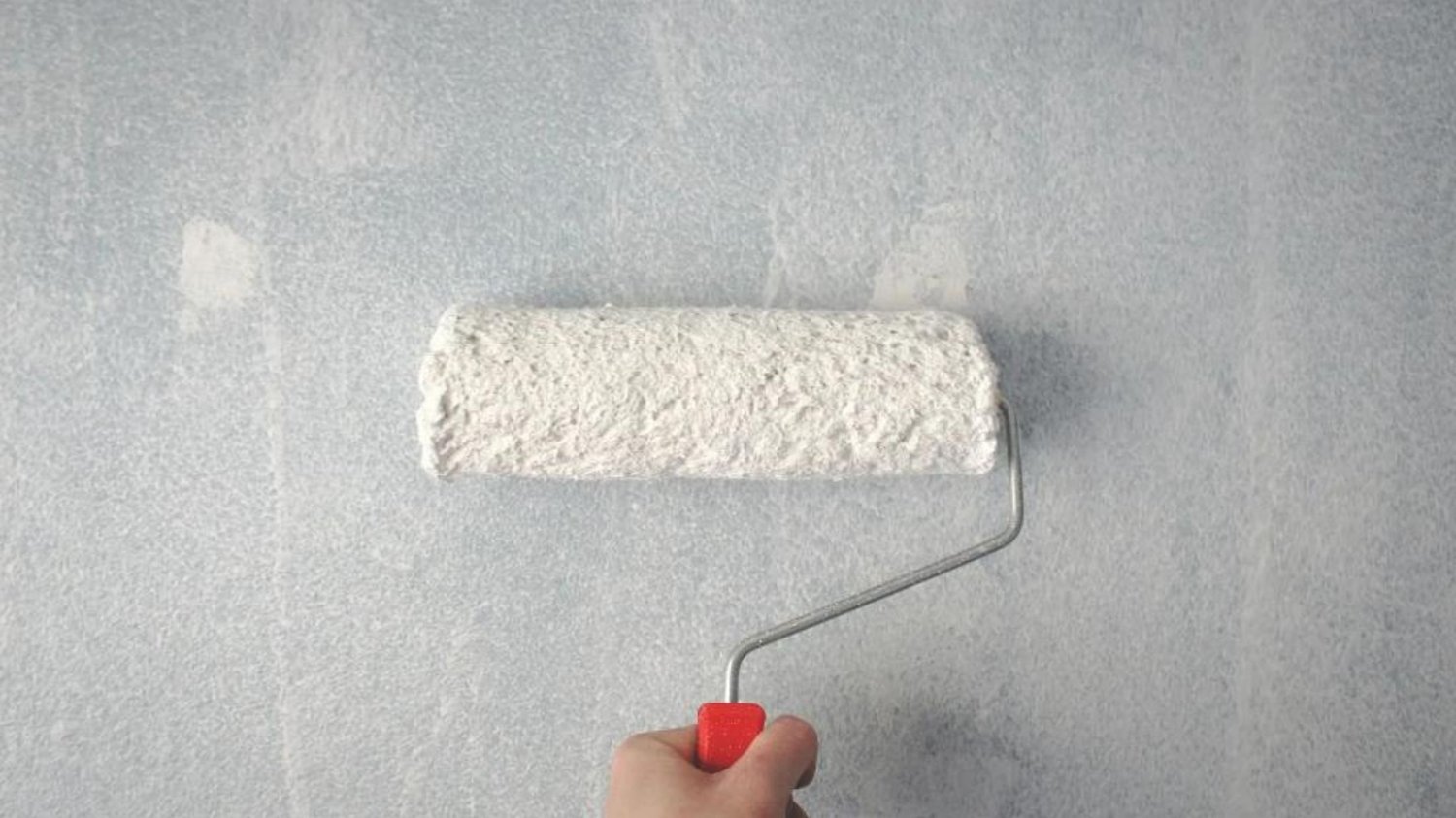
Painting is often viewed as a simple property improvement, but a lasting finish depends on much more than applying a fresh coat of color. The condition of the surface, type of material, paint selection, preparation process, and application technique can all influence the final result. For homes and commercial properties, professional painting can improve appearance while also supporting routine surface maintenance.
Colorado Field Services provides painting solutions for residential and commercial properties across Colorado. Its work covers both interior and exterior applications, with techniques suited to surfaces such as drywall, plaster, concrete, metal, and wood. By paying attention to preparation and material requirements, professional painters can create a more even finish and help coatings perform as intended.
What are Colorado Painting Services?
Colorado painting services can cover a wide range of property needs, from refreshing individual rooms to repainting larger commercial buildings. While the visible part of the project is the finished color, much of the work takes place before the first coat is applied.
A professional painting project may involve cleaning surfaces, removing loose paint, repairing minor imperfections, sanding rough areas, applying primer, and protecting nearby fixtures and flooring. These steps create a suitable base for the paint and can help reduce common problems such as uneven coverage, peeling, and visible surface defects.
The needs of an interior project can also differ significantly from an exterior project. Interior surfaces are generally affected by everyday use, while exterior surfaces must withstand changing temperatures, sunlight, moisture, wind, and other outdoor conditions. A professional approach takes these differences into account rather than using the same process for every surface.
Why Does Surface Preparation Matter?
Good preparation is one of the foundations of a successful painting project. Paint cannot correct every underlying surface problem. Applying it over dust, grease, peeling coatings, cracks, or loose material may lead to an inconsistent appearance or reduced adhesion.
Before painting, professionals can inspect the surface and determine what preparation is needed. Depending on its condition, this may include:
- Cleaning dirt and surface residue
- Scraping loose or peeling paint
- Filling small holes and imperfections
- Sanding uneven areas
- Applying an appropriate primer
Preparation also helps create a more uniform appearance after painting. When walls or other surfaces are properly prepared, the new coating has a cleaner foundation and is less likely to highlight minor imperfections.
Colorado Field Services incorporates preparation into its painting process so that the focus is not simply on covering an existing surface. The condition of the material is considered before the application begins.
How Can Interior Painting Refresh a Property?
Interior painting is one of the easier ways to update the appearance of a home, office, retail space, or other building without major structural work. A new color can change the visual character of a room, while a fresh finish can make frequently used areas look cleaner and more maintained.
Walls, ceilings, trim, doors, and other interior surfaces may require different approaches. For example, walls may need patching or sanding before painting, while trim may require careful preparation to achieve clean edges. Areas that receive frequent contact may also benefit from coatings selected with durability and maintenance in mind.
Lighting is another factor worth considering. Natural and artificial light can affect how a color appears at different times of the day. Surrounding flooring, furniture, cabinetry, and fixtures can also influence how a selected shade looks once it covers a larger area.
For these reasons, professional painting is not simply about choosing a color from a sample. Surface condition, finish, lighting, and intended use all contribute to the final appearance.
What Should Property Owners Know About Exterior Painting?
Exterior paint has a demanding job. Unlike interior coatings, it remains exposed to outdoor conditions throughout the year. Colorado properties can experience strong sunlight, temperature fluctuations, rain, snow, wind, and dry conditions, all of which can affect painted surfaces over time.
Exterior painting therefore begins with an assessment of the surface. Existing paint may need to be removed or stabilized, while dirt and other buildup may need to be cleaned away. Damaged areas should also be addressed before the new coating is applied.
The material itself matters as well. Wood, concrete, and metal do not have identical surface characteristics. A process that works for one material may not be suitable for another. Professional painters can adjust preparation and application methods according to the surface.
Colorado Field Services works with different exterior materials and considers the property's existing condition before painting. This helps create a more consistent application while addressing the specific requirements of the project.
Which Surfaces Can Professional Painters Handle?
Properties commonly contain several different paintable materials. Interior walls may be constructed from drywall or plaster, while exterior areas may include concrete, wood, and metal.
Each material has characteristics that can affect adhesion and appearance. Drywall may require patching and sanding where there are holes or imperfections. Plaster can need additional attention around cracks or damaged sections. Concrete is porous and may require appropriate preparation before coating. Metal surfaces can also require careful treatment of existing coatings and surface conditions.
Wood presents its own considerations, particularly when it has experienced prolonged outdoor exposure. Existing paint, weathering, and moisture can influence how the surface should be prepared.
Professional painting services provide value by accounting for these differences rather than approaching every surface in exactly the same way.
How Does Weather Influence a Painting Project?
Weather is an important consideration for exterior painting in Colorado. Temperature and moisture can affect how coatings apply, dry, and cure. A surface that contains excess moisture may create adhesion concerns, while unsuitable temperatures can affect the performance of some products.
Sun exposure can also influence drying speed. Direct sunlight may cause paint to dry differently from areas that remain shaded. Professional project planning helps account for these conditions before exterior work begins.
This is one reason experienced painters pay attention to more than the color and product selected. The timing and conditions of application can also influence the quality of the finished surface.
How Can Property Owners Prepare for Painting?
Property owners can make the painting process more efficient by addressing a few practical considerations before work begins. Furniture and personal belongings may need to be moved away from work areas, while access to walls, ceilings, doors, or exterior surfaces should remain clear.
It is also useful to identify areas that require special attention. Previous water stains, peeling paint, cracks, high-traffic areas, or heavily worn surfaces can be discussed before the project starts. Sharing these concerns allows the painting team to assess whether additional preparation is necessary.
A clear understanding of the project's scope can also prevent misunderstandings. Property owners should know which surfaces will be painted, what preparation is included, which finishes are being considered, and how the work will be scheduled.
Why Choose Professional Painting Instead of DIY?
Painting a small area may appear straightforward, but larger projects can become time-consuming. Maintaining consistent coverage across walls, ceilings, trim, and exterior surfaces requires patience and proper technique.
Professional painters also have experience working with different materials and identifying preparation requirements. This can be particularly useful when a property has older coatings, damaged surfaces, difficult-to-reach areas, or several different materials.
Another advantage is consistency. Professional application can help create cleaner edges, more even coverage, and a uniform finish across larger areas. The team can also organize preparation, painting, and cleanup as part of a structured process.
For property owners seeking assistance close to home, working with a local painting company in Castle Pines, CO, can provide access to painting services suited to local residential and commercial properties.
What Makes a Painting Project Last?
Several factors contribute to the longevity of a painted surface. Quality preparation is one of them, but the selected product and application method also matter. The surface needs to be suitable for painting, and the coating needs to be applied according to its intended use.
Regular property maintenance can also help. Inspecting painted areas periodically makes it easier to notice early signs of wear such as fading, peeling, cracking, or surface damage. Addressing these issues before they become extensive may simplify future maintenance.
Professional painting should therefore be viewed as part of broader property upkeep. A well-maintained painted surface can contribute to a property's appearance while helping owners address visible wear before it becomes more significant.
The Bottom Line
Colorado painting services can provide much more than a change in color. Proper preparation, suitable products, careful application, and attention to different surface materials all play important roles in achieving a dependable finish.
Colorado Field Services applies these principles across interior and exterior painting projects, serving properties with surfaces ranging from drywall and plaster to concrete, metal, and wood. Property owners planning a residential or commercial painting project can contact them to discuss their requirements and determine the right approach for their property.