
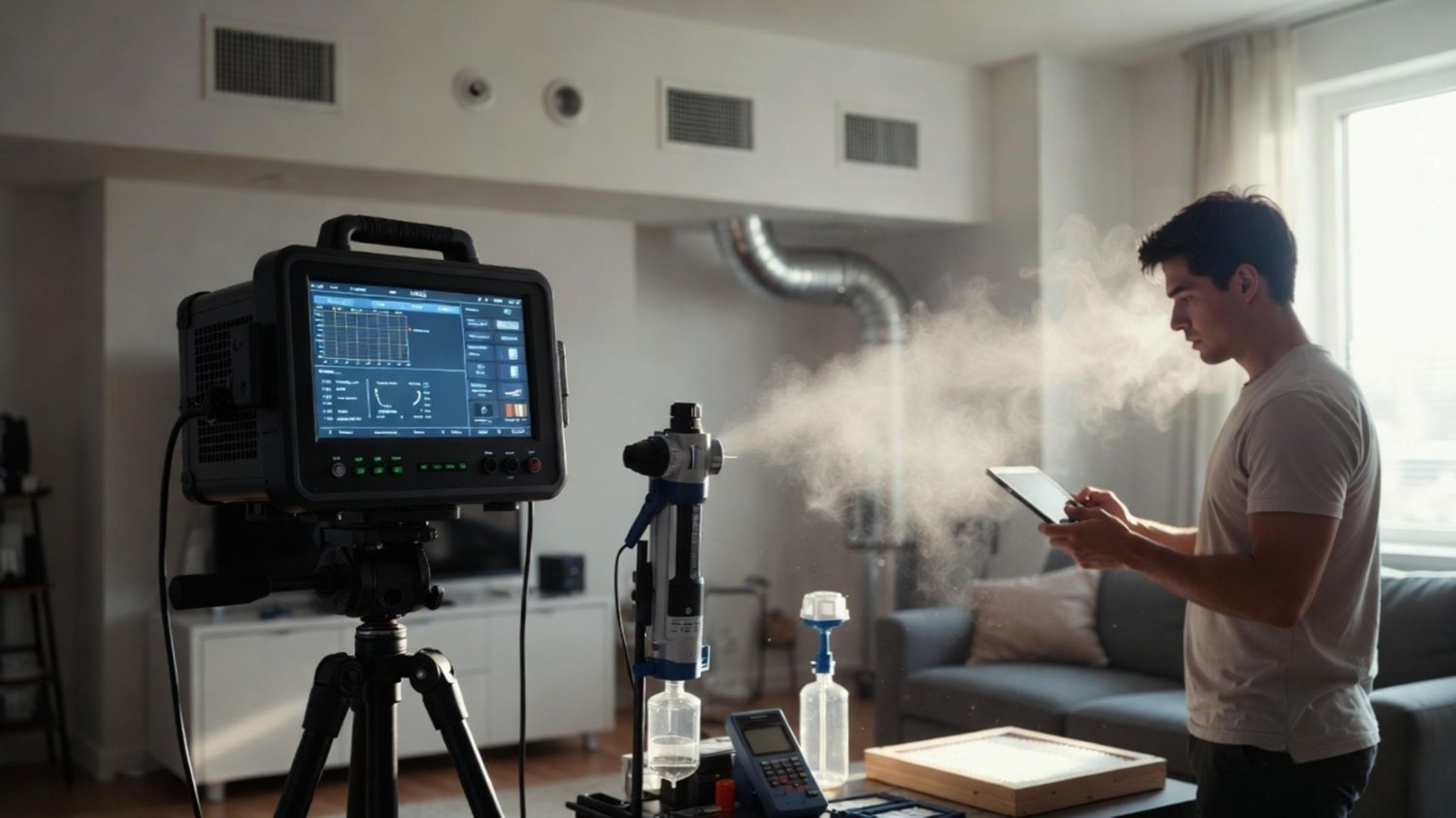
Most people spend nearly 90% of their time indoors, yet indoor air quality is often overlooked until problems begin affecting comfort, productivity, or health. Dust accumulation, hidden mold growth, pet dander, airborne pollutants, and poorly maintained ventilation systems can all contribute to indoor environments that are less healthy than many people realize.
Across Colorado, changing weather conditions, seasonal allergens, wildfire smoke, construction activity, and fluctuating humidity levels can significantly impact the air inside homes and commercial properties. This is why many property owners are turning to professional indoor air quality improvement services in Colorado to create cleaner, healthier indoor spaces.
Understanding What Affects Indoor Air Quality
Indoor air quality refers to the condition of the air within a building and how it affects the people occupying that space. Poor indoor air quality can develop gradually, making it difficult to identify the source of the problem.
Common contributors include:
- Dust and debris buildup
- Mold spores and moisture issues
- Pet hair and dander
- Volatile organic compounds from household products
- Smoke particles
- Dirty HVAC systems
- Inadequate ventilation
- Seasonal pollen and allergens
When these contaminants circulate throughout a property, they can create an environment that feels stuffy, uncomfortable, and difficult to maintain.
The Hidden Cost of Poor Indoor Air
Many property owners focus on visible maintenance concerns while overlooking airborne contaminants. However, poor indoor air quality can impact more than just comfort.
Indoor pollutants may contribute to:
- Unpleasant odors
- Excess dust accumulation
- Reduced HVAC efficiency
- Increased cleaning requirements
- Discomfort for occupants
- Poor workplace productivity
- Long-term property maintenance concerns
Because many air quality issues are invisible, professional assessments often reveal problems that would otherwise remain undetected.
Why Colorado Properties Face Unique Air Quality Challenges
Colorado's climate presents several environmental factors that can influence indoor air quality.
Dry conditions can allow dust particles to remain airborne longer. Seasonal temperature changes may affect ventilation performance. Wildfire smoke can travel significant distances and infiltrate indoor environments. Snowmelt and moisture intrusion can also create conditions that support mold growth in certain areas of a property.
Additionally, rapid residential and commercial development across many Colorado communities can introduce construction dust and airborne particles into surrounding neighborhoods.
These factors make proactive indoor air quality management especially important for property owners throughout the state.
Signs It May Be Time to Improve Indoor Air Quality
Many air quality concerns develop slowly over time. Property owners should pay attention to warning signs that indicate professional evaluation may be beneficial.
Some common indicators include:
Persistent Dust Problems
If surfaces become dusty shortly after cleaning, airborne particles may be circulating through the HVAC system or entering from external sources.
Lingering Odors
Musty, stale, or unexplained odors often point to underlying air quality concerns that require investigation.
Uneven Indoor Comfort
Poor airflow and ventilation issues can create rooms that feel noticeably different from one another.
Recent Water Damage
Even minor moisture problems can create conditions where mold spores develop and spread through indoor spaces.
Aging HVAC Systems
Older systems may struggle to effectively filter and circulate air, reducing overall indoor air quality.
Professional Solutions for Cleaner Indoor Environments
Improving indoor air quality is rarely accomplished through a single solution. A comprehensive approach typically provides the best results.
Air Quality Assessment
The first step involves identifying the specific factors affecting a property's indoor environment. Professional evaluations help determine the source of contaminants rather than simply addressing symptoms.
Moisture Control
Managing excess moisture is essential for preventing mold development and maintaining a healthier indoor environment.
HVAC Inspection and Optimization
Heating and cooling systems play a critical role in air circulation. Ensuring these systems are functioning efficiently helps improve filtration and airflow throughout the property.
Air Duct Cleaning
Dust, debris, and contaminants can accumulate within ductwork over time. Professional cleaning can help reduce the recirculation of airborne particles.
Ventilation Improvements
Proper ventilation helps remove stale indoor air while introducing fresh outdoor air when conditions allow.
Benefits of Investing in Better Indoor Air Quality
Property owners often discover that indoor air quality improvements provide benefits beyond cleaner air.
Enhanced Property Comfort
Cleaner air contributes to a more pleasant indoor environment for occupants throughout the year.
Improved HVAC Performance
Reducing contaminants within HVAC systems can support more efficient operation and potentially extend equipment lifespan.
Better Property Maintenance
Controlling moisture, dust, and airborne pollutants helps protect interior surfaces and building materials.
Increased Confidence for Occupants
Whether in a residential home or commercial facility, occupants appreciate knowing that indoor environmental conditions are being actively managed.
Why Professional Expertise Makes a Difference
Many air quality issues stem from interconnected factors such as moisture management, ventilation performance, HVAC conditions, and environmental contaminants. Addressing one issue without identifying the root cause may provide only temporary results.
Colorado Field Services approaches indoor environmental concerns through comprehensive property assessments and practical solutions designed to support long-term indoor air quality improvements. Their understanding of Colorado's unique climate conditions allows them to identify challenges that may affect homes and commercial properties across the region.
By focusing on the source of air quality concerns rather than simply treating symptoms, property owners can make informed decisions about maintaining healthier indoor environments.
Creating a Healthier Indoor Environment for the Future
Indoor air quality is an essential part of property maintenance that directly affects comfort, building performance, and overall indoor conditions. As environmental factors continue to evolve across Colorado, proactive air quality management has become an increasingly valuable investment for homeowners and business owners alike.
Professional evaluations, moisture control strategies, HVAC optimization, and targeted environmental solutions can all contribute to cleaner indoor air and a more comfortable property experience.
Closing Thoughts
Clean indoor air is not a luxury. It is a fundamental part of maintaining a comfortable, efficient, and well-protected property. By identifying hidden contaminants and addressing the underlying causes of air quality concerns, property owners can create healthier indoor environments that support both building performance and occupant comfort.
For expert guidance on improving indoor environments throughout Colorado, Colorado Field Services provides comprehensive solutions tailored to the unique needs of residential and commercial properties.
Learn more about their indoor air quality testing services in Castle Pines, CO, and discover how professional evaluation can help create cleaner, healthier air inside your property.