
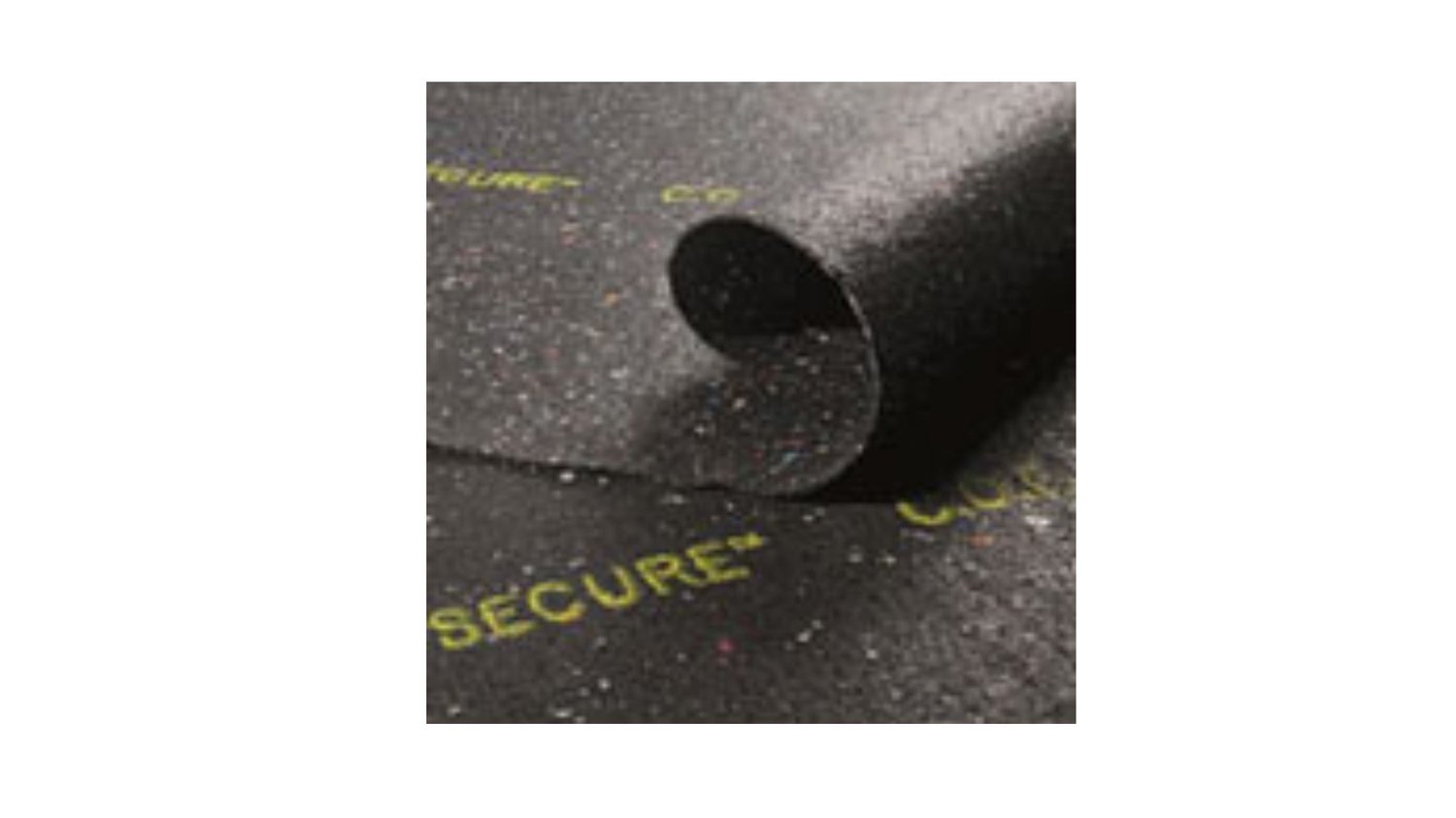
In the world of packaging, the role of materials and their interaction with various surfaces cannot be overstated. One such critical property is the rubber coefficient of friction (COF), a term that plays a significant part in ensuring the safe and efficient transportation of goods. But what exactly does this mean, and why is it important to understand?
What is the Rubber Coefficient of Friction?
The coefficient of friction (COF) refers to the resistance encountered when one surface slides over another. In the case of rubber, this means how much resistance the rubber surface provides when it moves against another material. The COF value is usually between 0 and 1, with a higher value indicating more friction. For rubber, this property is especially important in applications like packaging, where friction can affect how products are secured, protected, and transported.
The Importance of the Rubber Coefficient of Friction in Packaging
When it comes to packaging, the rubber coefficient of friction plays a crucial role in a few key areas:
- Product Stability
Proper friction helps in stabilizing products during transit. Rubber components with the right COF ensure that the packaged goods do not shift during transportation. Shifting goods can lead to damage, and the
right friction helps prevent this.
- Safety and Protection
When used in packaging materials such as pads, wraps, or cushioning, rubber with an optimal COF helps to minimize movement within the box or container. This provides protection from impacts and ensures that items remain intact until they reach their destination.
- Packaging Efficiency
Packaging systems that take advantage of the correct COF can optimize space and reduce the need for excessive packing materials. By understanding the friction properties of rubber, manufacturers can design more efficient packing systems that are both protective and cost-effective.
- Compatibility with Dunnage Air Bags
A well-understood COF is critical when using dunnage air bags in packaging. These air bags are used to fill voids and prevent product movement, and their effectiveness depends on how well they interact with other materials, including rubber. A good COF ensures that the air bags stay in place, providing maximum cushioning and reducing the risk of damage during transportation.
How to Choose the Right Rubber Material for Packaging?
When selecting rubber for packaging, manufacturers need to consider the rubber coefficient of friction alongside other factors such as durability, flexibility, and environmental conditions. For instance, rubber with a higher COF is often ideal for preventing slip, but it may not be suitable for all surfaces, especially in high-friction environments.
Additionally, some packaging environments may require lower COF values to reduce wear on materials and minimize resistance. Therefore, it is important to balance the friction needs with other performance criteria, ensuring the right material is selected for the job.
The Role of Dunnage Air Bags in Packaging
Dunnage air bags are often used in combination with rubber materials to stabilize packages during transport. These inflatable bags are placed between items or against the walls of containers to fill empty spaces, preventing goods from shifting.
Their role is closely linked to the rubber coefficient of friction, as the air bags need to stay in place and absorb impact effectively. By understanding the relationship between COF and air bag placement, packaging systems can be optimized for better protection and lower shipping costs.
Closing Thoughts
The rubber coefficient of friction is a vital aspect of packaging, affecting product stability, safety, and overall efficiency. By carefully considering this property when selecting materials and designing packaging systems, companies can ensure their products are transported securely and cost-effectively. The right friction properties can also enhance the effectiveness of dunnage air bags, further protecting goods during transit.
If you're looking to optimize your packaging solutions for better protection and efficiency, consider working with experts who understand the importance of material properties like COF. Complete Packaging Systems Inc. offers solutions to meet all your packaging needs, ensuring safe and secure shipping every time.
Contact us today to learn more about how we can help improve your packaging systems with dunnage air bags and other protective solutions.