

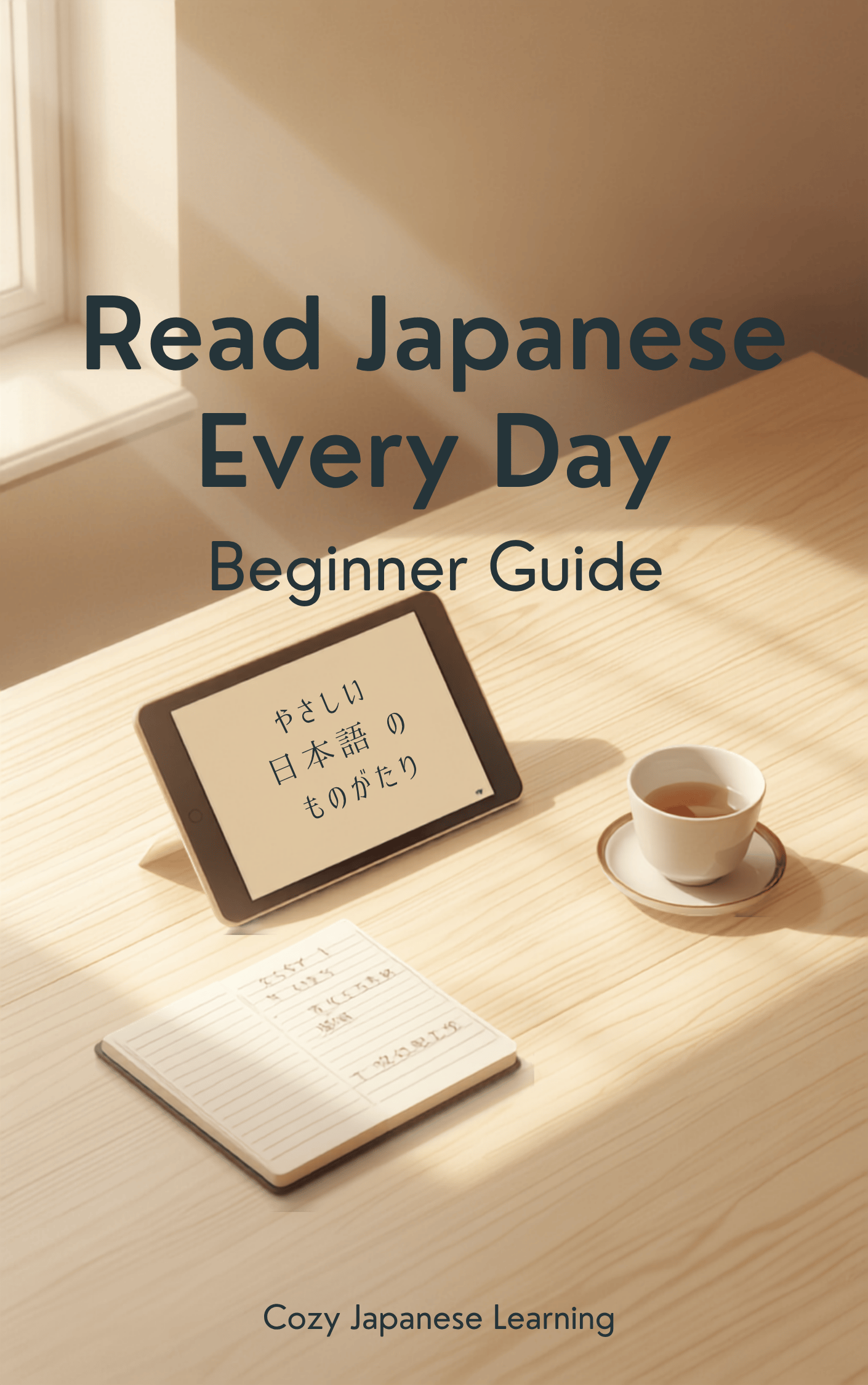
If you're trying to learn Japanese, one of the most effective habits you can build is daily Japanese reading practice.
But most beginners run into the same problem:
They either don’t know what to read, or they pick something too difficult, get overwhelmed, and stop.
So the question becomes:
How do you actually practice reading Japanese every day in a way that works for beginners?
The answer is simpler than most people expect. You don’t need long study sessions or advanced material. You just need short, consistent exposure to Japanese that matches your level.
Why Daily Japanese Reading Practice Works
Reading Japanese every day is one of the fastest ways to improve because it combines several skills at once:
- vocabulary recognition
- grammar understanding in context
- reading speed
- pattern recognition
Unlike memorizing word lists, Japanese reading practice teaches your brain how the language actually behaves in real sentences.
Over time, words and grammar patterns stop feeling “new” every time you see them. They start to feel familiar.
This is the foundation of reading fluency.
The Biggest Mistake Beginners Make
Most beginners make one of these mistakes:
- Reading material that is too difficult (like manga or novels too early)
- Relying too much on Romaji
- Looking up every single word
- Studying grammar without reading real sentences
- Trying to understand 100% of everything
The result is always the same: frustration and inconsistency.
Daily Japanese reading only works if the material is at the right level.
If it’s too hard, you stop.
If it’s too easy, you don’t improve.
The goal is something in between: understandable Japanese that still teaches you something new.
What to Read as a Beginner
For beginner Japanese reading practice, the best materials usually have these features:
- Short texts (so you can finish them)
- Simple grammar
- Limited vocabulary
- Kana support (hiragana and katakana)
- Furigana for kanji (if kanji is used)
Good beginner-friendly formats include:
- graded readers
- beginner Japanese stories
- simple comics
- structured learning texts
These allow you to actually finish what you read, which is important for motivation.
A Simple Daily Japanese Reading Routine
You don’t need hours of study time. Even 10–15 minutes a day is enough if you are consistent.
Here’s a simple routine that works:
1. Read a short text (5–10 minutes)
Choose something at your level. Don’t rush.
2. Reread it once
The second reading is where a lot of learning happens.
You notice words and grammar you missed the first time.
3. Look up only a few key words
Not everything. Just the words that stop you from understanding the overall meaning.
4. Pay attention to patterns
Instead of memorizing, notice repetition:
- sentence endings
- particles like は, が, を
- common verbs
5. Stop before burnout
Consistency matters more than intensity.
Why Rereading Is Important
Many learners think rereading is a waste of time.
In reality, rereading is one of the most effective parts of Japanese reading practice.
The first reading gives you confusion.
The second reading gives you understanding.
This is where comprehension starts to form.
You Don’t Need to Understand Everything
A common beginner expectation is:
“If I don’t understand every word, I’m not learning.”
This is not how reading acquisition works.
When practicing daily Japanese reading, your goal is:
- understanding the general meaning
- recognizing patterns
- getting used to sentence structure
Even partial understanding is progress.
How to Stay Consistent
The hardest part of learning Japanese is not ability. It’s consistency.
Here are a few ways to make daily reading easier:
- Keep your reading material very short
- Always stop while you still feel okay (don’t exhaust yourself)
- Don’t switch resources every day
- Repeat similar difficulty levels until they feel easier
The goal is to make reading feel normal, not stressful.
Beginner-Friendly Reading Resources
If you're not sure what to use, the most effective beginner materials are ones designed specifically for Japanese reading practice at an early level.
For example:
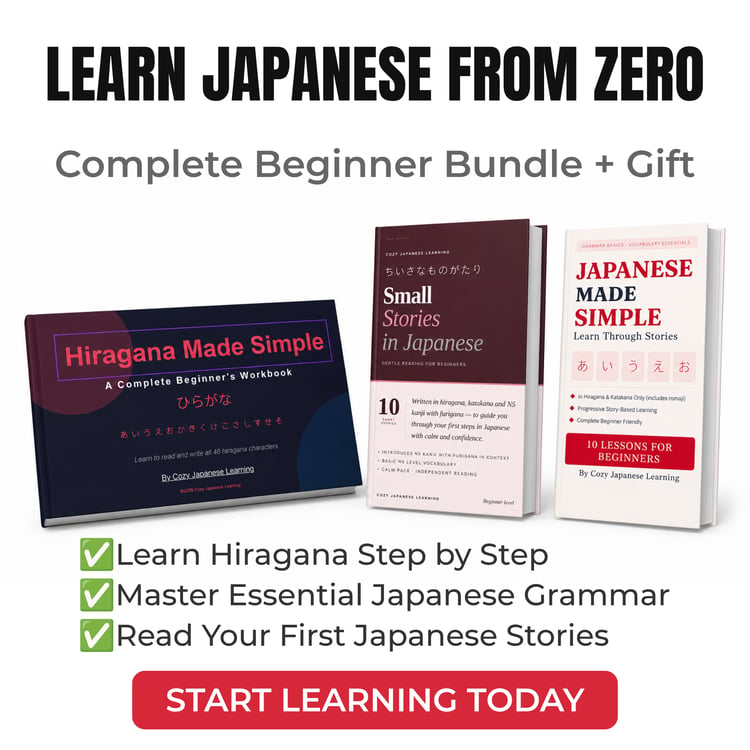
Japanese Made Simple: Learn Japanese Through Stories
A structured beginner course that teaches grammar one step at a time using short stories written in Japanese script.
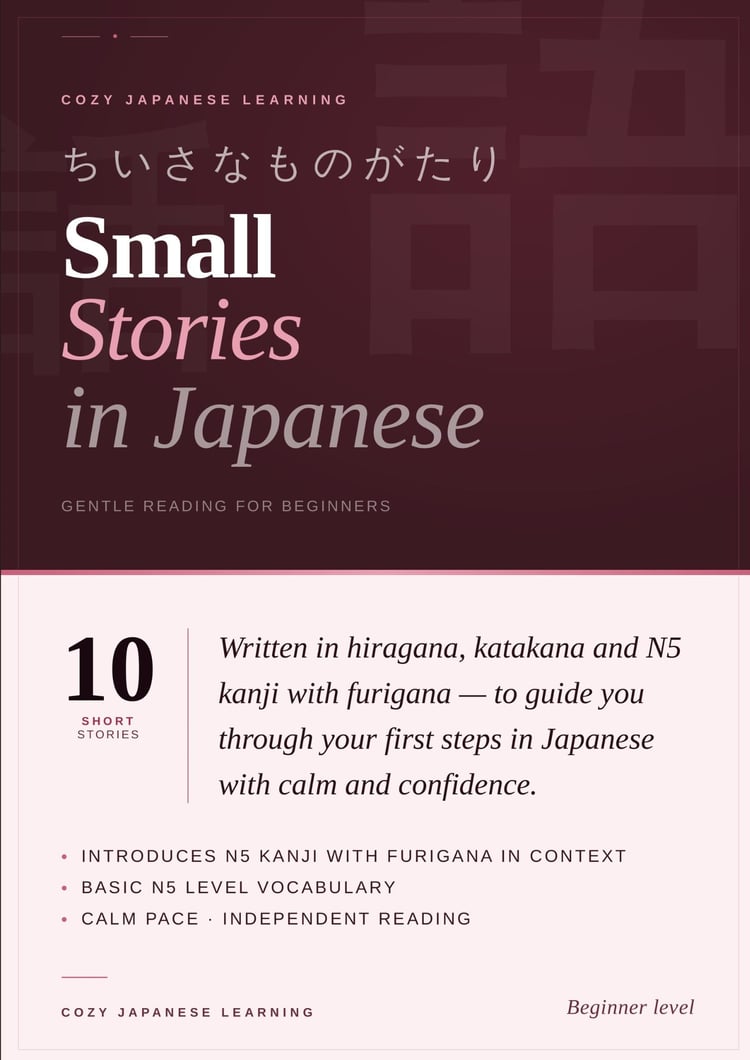
Short graded reading stories designed for learners who can read hiragana and katakana but are still building confidence.
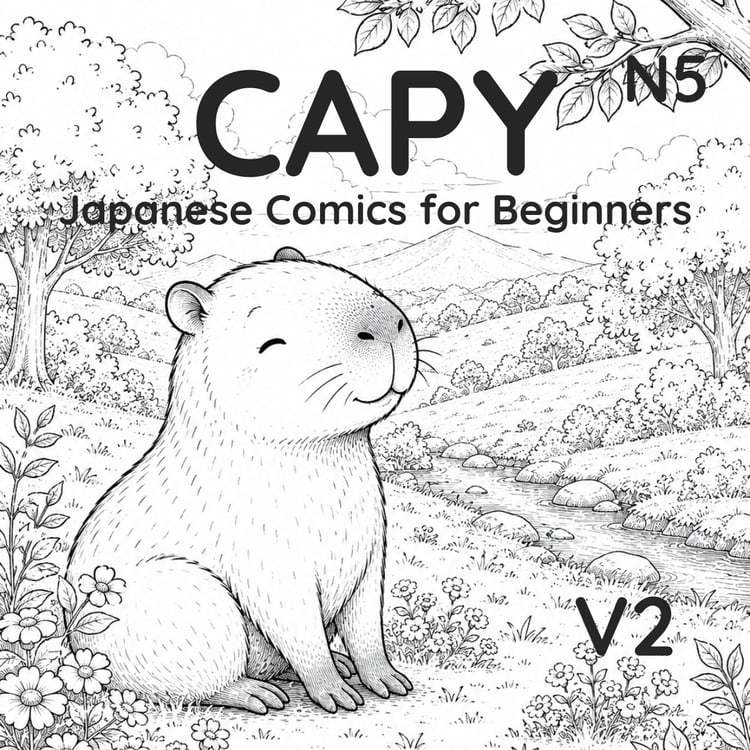
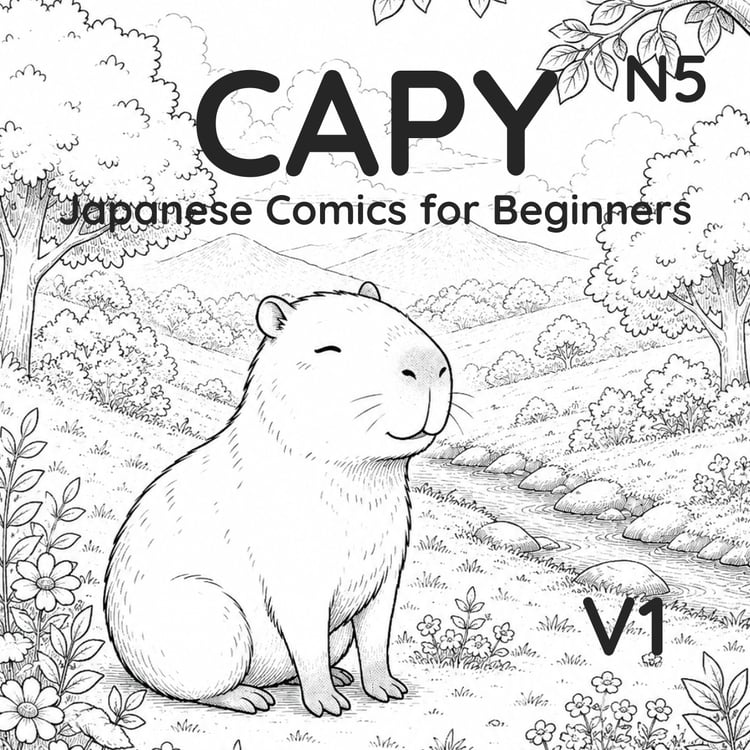
A collection of beginner-friendly Japanese comics designed for early reading practice with natural but simple language.
These kinds of materials make it easier to build a daily habit because they are short, understandable, and designed for your level.
Final Thoughts
You don’t need perfect Japanese to start reading.
You don’t need advanced grammar knowledge.
You just need:
- something readable
- a small amount of time
- and consistency
If you practice reading Japanese every day, even for a short time, your brain slowly adapts to the language.
At first, it feels slow.
Then it starts to make sense.
And eventually, reading Japanese becomes something you can actually do.
Unlock the Entire Cozy Learning Ecosystem
Learning a language is a continuous journey, and having the right level-appropriate resources ready when you need them makes a massive difference.
If you want to build a sustainable, self-paced routine without buying expensive textbooks one by one, consider joining our community:
- Explore the Cozy Japanese Learning Membership: Hosted on Ko-fi, our membership tier gives you unlimited, instant access to our entire catalog of digital books, visual workbooks, and every single volume of our beginner-friendly Capy Comics. You also unlock all future releases automatically.
Joining the membership means you never have to wonder what resource to buy next as you move from absolute zero up through the beginner levels. Plus, your support directly helps keep this blog running and allows us to keep creating gentle, story-based materials for self-taught learners just like you.
Grab a warm drink, take it one character at a time, and enjoy the beautiful process of discovering Japanese!
Visit the Cozy Japanese Learning Shop to Browse All Beginner Resources
Comments ()