

Learning the alphabet is one of the first and most exciting milestones in a child's educational journey. The good news? You don't need expensive toys or hours of preparation to make learning fun. With a little creativity and everyday activities, your child can build strong letter recognition while enjoying quality time with you.
Whether you're a parent, grandparent, or homeschool educator, these simple ideas will help your little learner fall in love with the alphabet.
1. Use Colorful Alphabet Flashcards
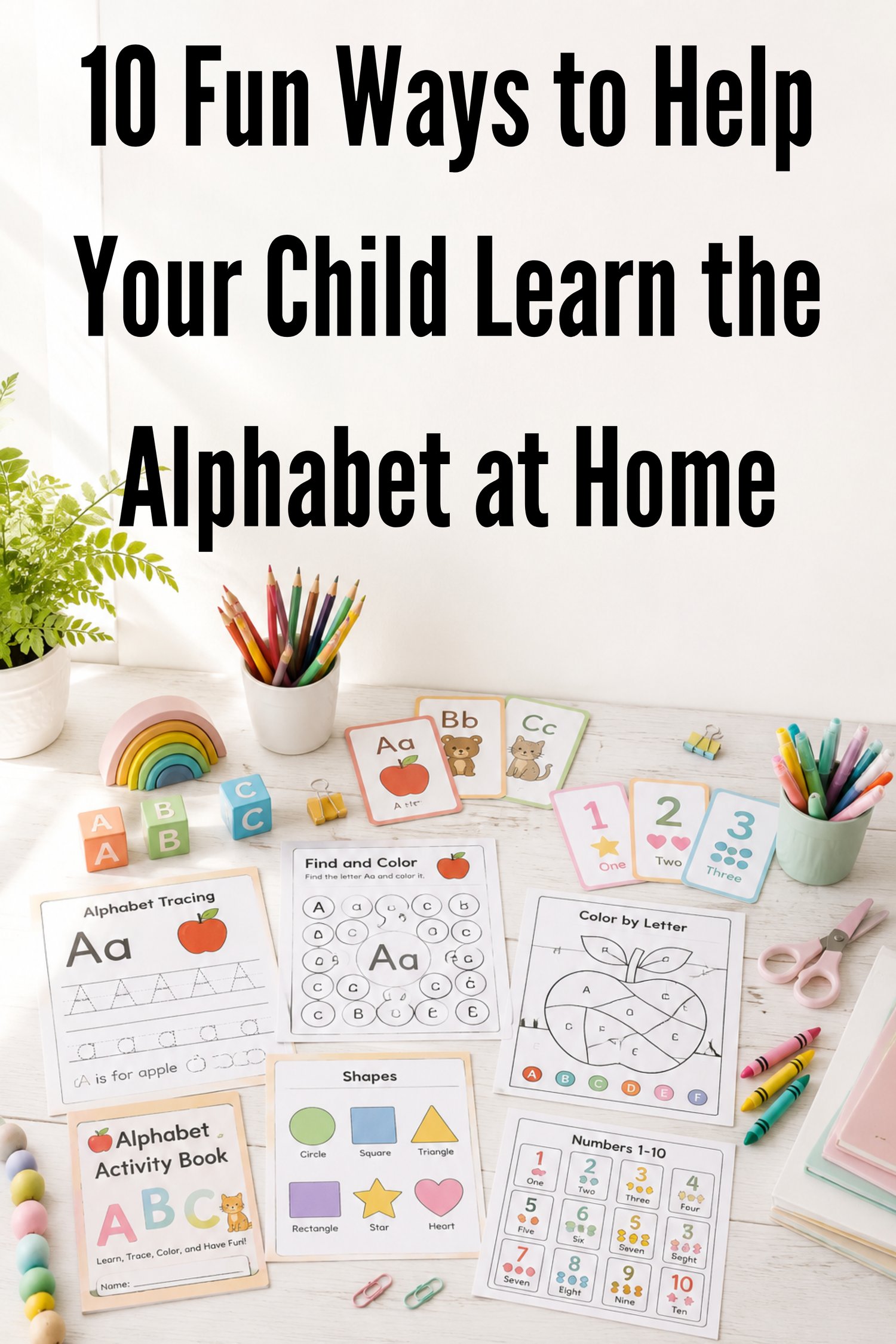
Flashcards are a fantastic way to introduce letters one at a time. Show your child each letter, say its name aloud, and encourage them to repeat it. Add pictures that begin with the same letter to help build vocabulary.
2. Read Alphabet Books Together
Choose bright, engaging alphabet books and read them every day. Point to each letter and ask your child to identify familiar objects that begin with that letter.
3. Sing the ABC Song
Music makes learning memorable. Sing the alphabet song while clapping, dancing, or using hand motions to make it even more exciting.
4. Go on an Alphabet Hunt
Turn learning into an adventure! Ask your child to find objects around the house that begin with a certain letter. For example, "Can you find something that starts with B?"
5. Practice Letter Tracing
Help your child develop handwriting skills by tracing letters with crayons, pencils, or washable markers. Celebrate every effort, not just perfection.
6. Create Fun Alphabet Crafts
Make letters using paper, playdough, cotton balls, or craft sticks. Hands-on activities strengthen memory while encouraging creativity.
7. Play Matching Games
Match uppercase letters with lowercase letters or match letters with pictures that begin with the same sound. Games make learning exciting and interactive.
8. Learn While Coloring
Alphabet coloring pages allow children to recognize letters while improving fine motor skills. Encourage them to say the letter and the picture aloud as they color.
9. Practice Every Day
Just 10–15 minutes of alphabet practice each day can make a big difference. Short, consistent sessions help children remember what they learn without feeling overwhelmed.
10. Celebrate Every Success
Learning takes time, and every child develops at their own pace. Praise their effort, celebrate small achievements, and make learning a positive experience.
Final Thoughts
The best learning happens when children are having fun. By turning everyday moments into educational adventures, you can help your child build confidence and develop a lifelong love of learning.
At Tiny Minds Learning Studio, we're passionate about creating engaging educational printables designed to make learning enjoyable for every child. From alphabet flashcards and coloring pages to worksheets and activity books, our resources are created to support parents, teachers, and homeschool families.
Thank you for visiting! If you enjoyed this article, subscribe to our newsletter so you'll never miss new learning tips, free printables, and exciting educational resources.