

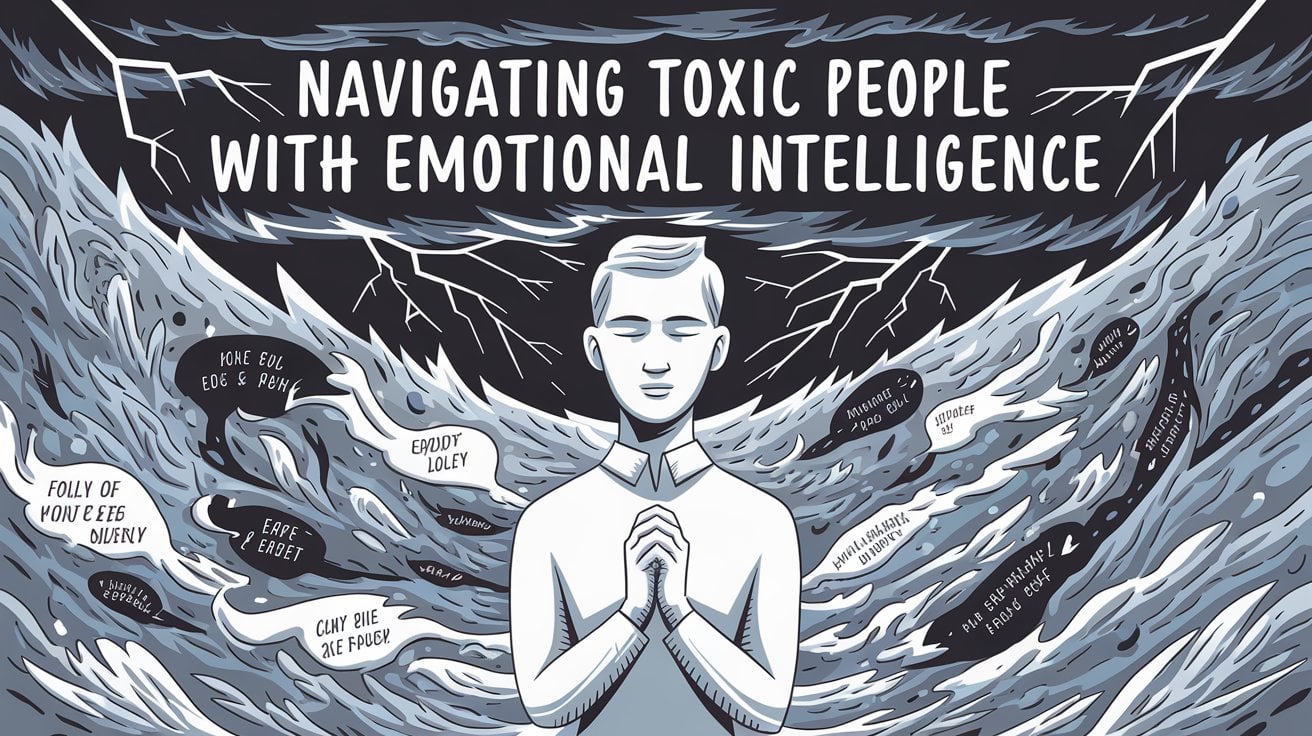
Understanding and handling toxic individuals is a crucial skill. This guide emphasizes the importance of self-awareness, establishing firm boundaries, recognizing manipulation tactics, and maintaining emotional detachment. The core message is that dealing with toxic people requires an active, intentional approach centered on self-preservation and well-being rather than attempting to change the toxic individual.
Understanding Toxic Behavior:
Toxic behavior often stems from insecurity, jealousy, or a habit of using negativity to assert control. Recognizing toxic patterns like constant criticism, passive aggressiveness, and manipulation is crucial. Such behaviors usually reflect the insecurities of the other person, not a personal flaw.
Case Study: Sarah worked in an office where her colleague, Mike, constantly undermined her efforts and criticized her work. Initially, Sarah felt demotivated and started questioning her abilities. Through self-awareness, she realized Mike's behavior stemmed from his own insecurities about job security. Understanding this, Sarah focused on her strengths and continued to excel, eventually earning a promotion.

Emotional Detachment:
Emotional detachment means separating your emotional state from the actions or words of others. It involves understanding that while you can't control others' behaviors, you can control your responses, protecting your inner peace and self-esteem.
Case Study: John's family gatherings were often stressful due to his uncle's negative comments. By practicing emotional detachment, John learned to respond calmly and not let his uncle's words affect him emotionally. This helped John enjoy family events without feeling drained or upset.
Self-Awareness and Self-Care:
Strong self-awareness and well-defined boundaries make it harder for others to undermine you. Invest time in understanding your strengths, weaknesses, and values. Engage in self-care activities to stay centered and resilient.
Case Study: Emily struggled with a toxic friendship where her friend constantly put her down. By investing time in understanding her own worth and engaging in activities she loved, Emily built her self-confidence. She eventually set boundaries with her friend and surrounded herself with more supportive individuals.

Empathy with Discernment:
Empathy is important but should be balanced with practicality. Avoid excusing toxic behavior and becoming a target for manipulation while fostering genuine connections.
Case Study: David's colleague often played the victim to manipulate others into doing his work. David remained empathetic but discerned the manipulation. He kindly offered support but did not take on his colleague's tasks, maintaining a healthy professional boundary.
Buy the Podcast and start your journey to a more resilient and purposeful life!
Emotional Intelligence:
Emotional intelligence involves managing your emotions and understanding those of others. Stay composed when provoked and respond calmly to diffuse situations rather than escalating them.
Case Study: Laura's manager was known for having outbursts during stressful times. Instead of reacting impulsively, Laura stayed composed and addressed issues calmly. Her emotional intelligence not only diffused tense situations but also earned her respect and trust from her team.
Selective Engagement:
Evaluate whether an interaction is worth your energy. Choose not to engage if a toxic person is trying to provoke conflict, maintaining emotional distance to preserve your energy.
Case Study: Carlos had a coworker who loved to stir up office drama. Rather than getting involved, Carlos evaluated whether the interaction was productive. He chose to disengage from unproductive conflicts, focusing his energy on his work and maintaining a positive mindset.
Reframing Negative Experiences:
Turn challenges into growth opportunities by reflecting on your communication style, boundaries, and conflict resolution skills.
Case Study: After a difficult project with a demanding client, Megan felt overwhelmed. Instead of dwelling on the negativity, she reflected on the experience, improving her communication and boundary-setting skills. This reframing turned a challenging project into a valuable learning opportunity.
Building a Support Network:
Surround yourself with positive, uplifting individuals for support and perspective.
Case Study: Raj faced significant stress at work due to a toxic supervisor. By building a strong support network of friends and family, Raj received the encouragement and perspective needed to navigate his work challenges and maintain his well-being.
Buy the Podcast and start your journey to a more resilient and purposeful life!
Acceptance and Self-Focus:
Accept that you can't change others. Focus on protecting your peace, prioritizing growth, and maintaining a positive and purposeful life.
Case Study: Karen struggled with a toxic family member who refused to change. Accepting that she couldn't alter their behavior, Karen shifted her focus to her own growth. She established firm boundaries and dedicated time to activities that brought her joy, maintaining her peace and purpose.
Boundary Setting:
Boundaries are essential for a balanced life. Communicate them clearly and assertively without hostility. Consistently enforce boundaries to teach others how to interact with you. Saying no is an act of self-respect. Practice detachment with love, especially when cutting ties isn't an option.
Case Study: Tom found himself constantly overworked because he couldn't say no to his boss's unreasonable requests. After realizing the impact on his well-being, Tom started setting clear boundaries and politely declining tasks that were beyond his capacity. This not only protected his health but also improved his productivity and job satisfaction.

Manipulation Tactics & Responses:
Manipulation tactics like passive-aggressive comments, guilt-tripping, and gaslighting are subtle but effective. Recognize these signs and maintain emotional detachment. Counter manipulation by trusting your instincts and documenting interactions when necessary. Silence and redirecting the conversation can also shift the dynamic.
Case Study: Nina's colleague tried to guilt-trip her into covering shifts regularly. Recognizing the manipulation, Nina maintained emotional detachment and documented their interactions. She calmly explained her boundaries and redirected the conversation to focus on fair workload distribution, reducing the colleague's manipulative behavior.
Confidence and Assertiveness:
Maintaining boundaries with confidence is key. Communicate clearly without defensiveness or anger. Protect your emotional health by avoiding toxic dynamics.
Case Study: Mark had a roommate who constantly disrespected their shared space. Mark communicated his boundaries clearly and assertively, without anger. He remained consistent in enforcing these boundaries, which eventually led to a healthier living arrangement.
Key Quotes:
- "Understanding toxic behavior without absorbing it is an essential skill for navigating relationships and maintaining emotional balance."
- "Smart individuals recognize that they cannot control how others behave but they can control how they respond to that behavior."
- "Saying no is not an act of selfishness; it's an act of self-respect."
- "Manipulation is subtle, insidious, and sometimes difficult to recognize."
- "Emotional detachment means choosing not to allow the toxic person's behavior to affect you on an emotional level."
Practical Takeaways:
- Cultivate self-awareness: Understand your strengths, weaknesses, values, and boundaries.
- Prioritize self-care: Engage in activities that recharge your mental and emotional health.
- Set and enforce boundaries: Clearly define and communicate your limits, consistently enforcing them.
- Practice emotional detachment: Separate your emotions from others' actions and behaviors.
- Recognize manipulation: Identify tactics such as gaslighting, guilt-tripping, and emotional blackmail, and react accordingly.
- Build a strong support network: Surround yourself with positive, supportive individuals.
- Learn to say no: Decline requests that do not align with your priorities without guilt.
- Reframe negative experiences: Turn challenges into opportunities for growth and learning.
- Maintain emotional intelligence: Respond calmly and strategically instead of reacting impulsively.
- Choose selective engagement: Evaluate interactions and choose not to participate in unproductive conflicts.
- Accept what you cannot change: Focus on managing your reactions and well-being rather than trying to fix toxic individuals.
Final Thoughts
Dealing with toxic people is an act of self-empowerment that requires emotional intelligence, self-awareness, and a firm commitment to personal boundaries. By prioritizing self-respect and emotional well-being, you can navigate difficult relationships while maintaining your peace and integrity. Focus on controlling your reactions and choices instead of attempting to change others' toxic behaviors.
Buy the Podcast and start your journey to a more resilient and purposeful life!
Thank you!