
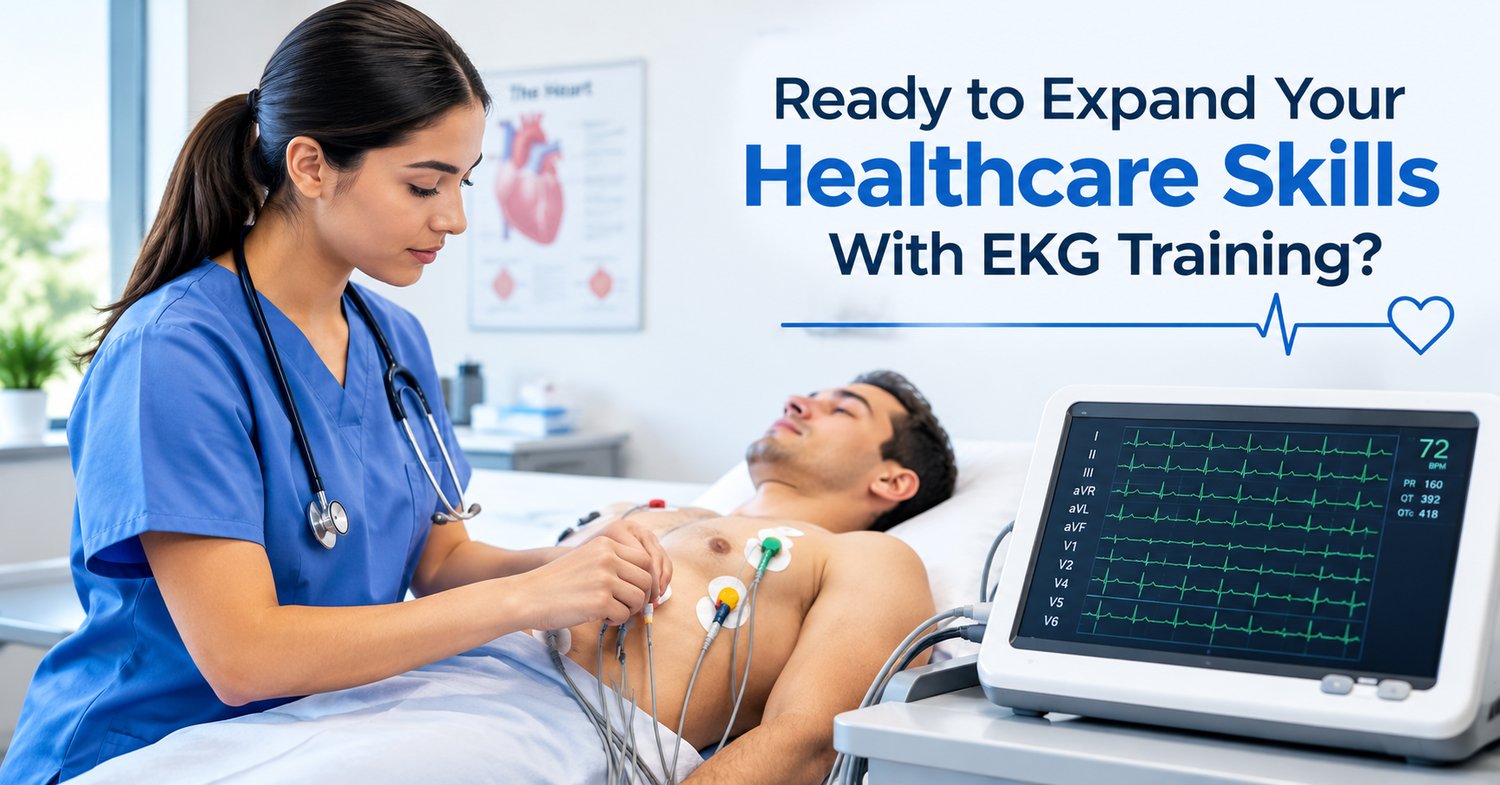
Learning new healthcare skills can help you explore more career options. If you are interested in how medical teams check heart activity, EKG training may be worth considering. Finding a suitable ekg technician training school near me can help you explore local learning options and build practical knowledge about heart monitoring, patient care, and clinical procedures.
What Does EKG Training Teach You?
An electrocardiogram, or EKG, records the electrical activity of the heart. Healthcare professionals use these recordings to help assess heart rhythm and identify signs that may need further medical review. EKG training introduces you to the equipment and basic steps involved in recording this information.
During a course, you may learn how to prepare patients, place electrodes correctly, operate EKG equipment, and follow safety procedures. You can also study basic heart anatomy and learn why accurate recordings matter. These skills help you understand how EKG technicians support other members of a healthcare team.
Training may also introduce you to common medical terms related to heart activity. Understanding these terms can help you follow instructions and communicate more clearly with other healthcare workers. You will also learn why technicians must record information carefully and follow the steps taught during training.
How Can Practical Learning Build Your Confidence?
Learning from a textbook is useful, but practice helps you understand how procedures work. EKG training may include demonstrations and supervised activities that teach you how to prepare equipment, position electrodes, and follow the steps for recording heart activity. This practice can help you become more comfortable with the process.
Patient communication is another important part of the role. You may need to explain a procedure in simple terms, answer basic questions, and help patients feel comfortable. Some people feel nervous during medical tests, so a calm and respectful approach can make the experience easier for them.
Accuracy also matters. Poor electrode placement or patient movement can affect the quality of an EKG recording. Learning to check equipment, follow instructions, and keep the patient still can help you understand the importance of reliable results. These habits are useful when preparing for clinical work.
Good preparation also means understanding patient privacy and safety. Healthcare workers must handle personal information carefully and follow workplace procedures. During training, ask questions whenever a step is unclear and review your lessons regularly. These habits can help you build confidence and develop a careful approach to patient care.
What Should You Look for in an EKG Course?
Before enrolling, compare the course content, class schedule, tuition, and practical learning opportunities. Look for clear information about the skills covered and the time needed to complete the program. If you are balancing work or family duties, ask whether the available class times fit your routine.
When comparing an ekg certification course, check what credential or completion document the program provides. Some employers may require specific training, certification, or additional experience. Requirements can vary by workplace, so review local job postings and confirm whether the course meets the expectations for the roles you want to pursue.
You should also ask about instructor support, learning materials, equipment practice, and any extra fees. Find out whether exam costs or supplies are included in the tuition. Understanding these details before you enroll can help you plan your budget and choose a course that matches your learning needs.
It is helpful to ask how your progress will be assessed. Some programs may use written tests, practical demonstrations, or other methods to check your understanding. Knowing what to expect can help you prepare for lessons and manage your study time. You can also ask whether additional support is available if you need help with a topic.
How Can EKG Skills Support Your Healthcare Goals?
EKG skills may help prepare you for entry-level opportunities in settings such as hospitals, clinics, diagnostic centers, and other medical facilities. Technicians often work with healthcare professionals who use heart recordings as part of patient assessment. The exact duties depend on the workplace, job title, and level of training required.
Learning EKG procedures can also help you understand more about patient care and clinical routines. You may build skills in communication, equipment handling, safety, and attention to detail. These abilities can support your development as you explore healthcare roles and decide which areas interest you most.
However, completing a course does not guarantee employment. Before making career plans, review the qualifications employers request and check whether you need a separate certification or additional clinical experience. A clear understanding of these requirements can help you set realistic goals and prepare for your next steps.
You can also use job postings to learn which skills employers value most. Look for common requirements in your area and compare them with the subjects covered in your chosen program. This simple step can help you identify possible skill gaps and plan further learning if needed.
Choose Training That Fits Your Plans
Building healthcare skills starts with choosing training that fits your goals, schedule, and budget. Before enrolling, compare course content, practical learning, and employer expectations. If you are researching an ekg technician training school near me, review the program details and ask questions about hands-on practice, completion requirements, and available support. Careful planning can help you choose a learning path that builds useful skills and prepares you to explore opportunities in the healthcare field.