
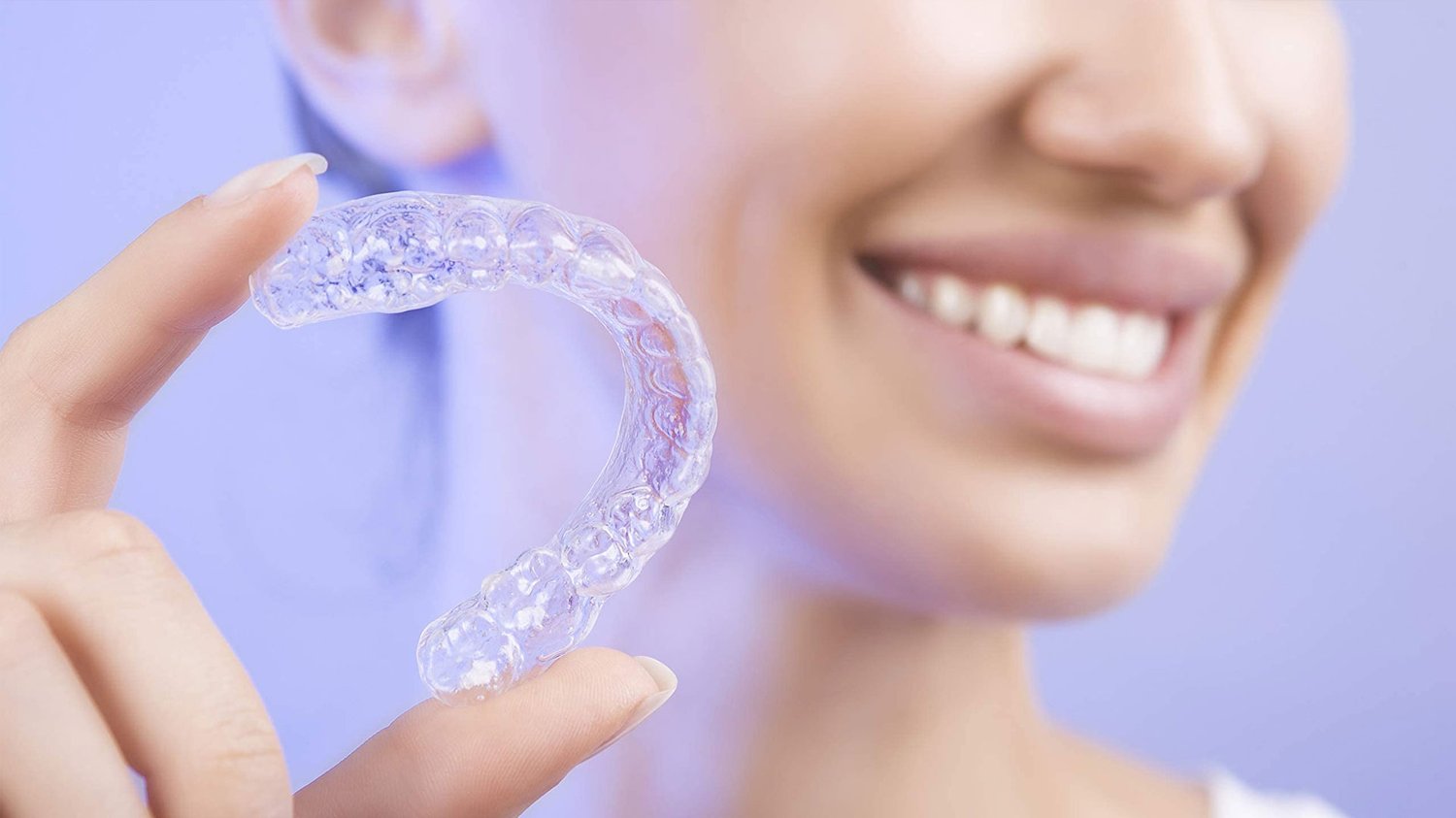
Mouthguards are essential for protecting teeth, gums, and jaws during sports activities or nighttime grinding. However, improper use or maintenance can reduce their effectiveness and even cause oral problems. For those seeking Mouthguards In Dubai, understanding common mistakes can help ensure optimal protection and longevity. By avoiding errors related to fit, cleaning, and storage, users can maintain a safe and effective mouthguard that preserves their smile and enhances overall oral health.
Using the Wrong Type of Mouthguard:
One of the most common mistakes is choosing a mouthguard that does not suit your needs. Stock or generic options may not provide adequate protection, especially for high-contact sports or severe teeth grinding. Custom-fitted mouthguards offer superior comfort, stability, and impact absorption. Selecting the appropriate type based on activity level, dental needs, and personal comfort ensures maximum effectiveness and safety.
Not Ensuring Proper Fit:
A mouthguard that is too loose or too tight can shift during use, reducing protection and causing discomfort. Poor fit may also lead to irritation of gums or soft tissues. Regularly checking the fit and consulting a dental professional for adjustments ensures the mouthguard remains snug, secure, and effective during sports or nighttime use.
Neglecting Regular Cleaning:
Failing to clean a mouthguard properly can result in bacteria buildup, bad odors, and potential oral infections. Rinse the device after each use, clean with mild soap or a dentist-approved solution, and occasionally use specialized mouthguard cleaners. Maintaining hygiene preserves both the longevity of the device and oral health.
Improper Storage:
Storing a mouthguard loosely in a bag, pocket, or unventilated container can lead to deformation, contamination, or loss. Always use a ventilated case and keep it in a cool, dry place away from direct sunlight. Proper storage prevents warping, preserves the shape, and ensures the mouthguard is ready for use when needed.
Ignoring Signs of Wear and Tear:
Mouthguards wear down over time due to pressure, impact, or grinding. Cracks, thinning areas, or changes in shape reduce protective ability. Regular inspection and timely replacement are crucial to maintain effectiveness. Ignoring wear and tear can lead to dental injuries, jaw discomfort, or decreased performance during sports or sleep.
Using Hot Water or Harsh Chemicals:
Cleaning a mouthguard with hot water, boiling, or harsh chemicals can damage the material and affect the fit. High temperatures may warp the device, while strong chemicals can degrade the protective layers. Stick to recommended cleaning methods using cool water, mild soap, or approved dental cleaners to preserve durability and shape.
Chewing or Biting the Mouthguard:
Some users unconsciously chew or bite their mouthguard, causing deformation and reducing its protective qualities. Mouthguards are designed to absorb pressure, not be chewed on. Encouraging proper use without chewing ensures that the device continues to provide full protection for teeth and jaw.
Not Wearing the Mouthguard Consistently:
Even the best mouthguard is ineffective if it is not worn consistently during sports or sleep. Forgetting to wear it during practice, games, or nighttime can lead to preventable injuries. Establishing a routine and reinforcing the importance of consistent use helps protect teeth, gums, and jaw structures over the long term.
Failing to Seek Professional Advice:
Many people assume that a stock or boil-and-bite mouthguard is sufficient without consulting a dentist. Professional guidance ensures the right fit, material, and design based on individual needs. For those searching for Mouthguards In Dubai, consulting a dental professional guarantees maximum protection, comfort, and long-term oral health benefits.
Combining Mouthguard Use With Other Precautions:
Relying solely on a mouthguard without following other safety measures can increase injury risk. Helmets, padding, proper techniques, and adherence to sports rules complement mouthguard protection. Combining these precautions ensures comprehensive safety for athletes and individuals prone to teeth grinding or jaw strain.
Final Thoughts:
Avoiding common mouthguard mistakes is essential for maintaining optimal protection and oral health. Proper type selection, accurate fit, regular cleaning, careful storage, and timely replacement all contribute to a safe and effective device. Additionally, consistent use, professional guidance, and complementary safety measures enhance the protective benefits of a mouthguard. For individuals seeking Mouthguards In Dubai, following these best practices ensures long-lasting protection, comfort, and peace of mind while preserving a healthy, injury-free smile.