
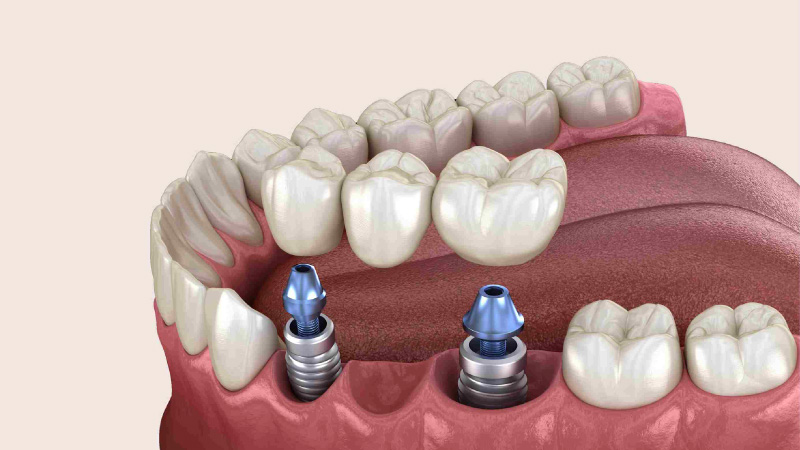
Dental implants have become a popular and reliable solution for replacing missing teeth, offering both functional and aesthetic benefits. For those considering dental implants in Dubai, it is important to understand that, like any surgical procedure, dental implants carry certain risks and potential complications. Being informed helps patients take preventive measures, follow post-operative instructions carefully, and achieve successful outcomes.
Infection at the Implant Site:
One of the most common complications is infection around the implant site:
- Bacterial contamination during or after surgery can lead to peri-implantitis
- Poor oral hygiene increases the risk of infection
- Symptoms may include swelling, redness, and pain
- Prompt treatment often involves antibiotics or cleaning procedures
- Maintaining oral hygiene reduces the likelihood of infection
Implant Failure or Rejection:
Although rare, implants can fail due to improper integration with the bone:
- Lack of sufficient bone density can prevent proper osseointegration
- Smoking and chronic illnesses, such as diabetes, can impede healing
- Excessive stress or pressure on the implant can cause failure
- Symptoms include loosening of the implant or persistent discomfort
- Regular follow-ups ensure early detection and management
Nerve Damage and Numbness:
Surgical placement may sometimes affect nearby nerves:
- Nerve injury can occur if the implant is placed too close to a nerve
- May result in temporary or permanent numbness in lips, tongue, or gums
- Tingling or sharp pain can indicate nerve involvement
- Careful pre-surgical imaging minimizes risk
- Immediate attention is necessary if symptoms persist
Sinus Problems from Upper Jaw Implants:
Implants in the upper jaw can affect sinus health:
- Improper placement may protrude into the sinus cavity
- Can lead to sinus infections or chronic discomfort
- Pre-surgical scans help assess sinus anatomy and bone levels
- Sinus lift procedures are sometimes needed to avoid complications
- Following dentist guidance reduces sinus-related risks
Excessive Bleeding or Swelling:
Some patients experience bleeding or swelling post-surgery:
- Minor bleeding and swelling are common in the first few days
- Severe or prolonged bleeding may indicate complications
- Applying cold compresses helps reduce swelling
- Avoiding blood-thinning medications before surgery is often advised
- Consulting your dentist ensures proper management
Allergic Reactions to Materials:
Though rare, some patients may react to implant materials:
- Titanium implants are generally well-tolerated, but allergies can occur
- Symptoms include redness, swelling, or rash near the implant site
- Metal sensitivity testing may be recommended for high-risk patients
- Alternative materials, such as zirconia, can be considered
- Reporting any known allergies to your dentist is essential
Bone Loss Around the Implant:
Bone deterioration can affect implant stability over time:
- Poor osseointegration or infection may contribute to bone loss
- Insufficient bone volume at the start increases long-term risks
- Regular check-ups with X-rays monitor bone health
- Bone grafting procedures may be necessary for optimal support
- Maintaining good oral hygiene and avoiding smoking helps preserve bone
Complications from Pre-existing Health Conditions:
Certain medical conditions can impact implant success:
- Diabetes, osteoporosis, and autoimmune disorders may impair healing
- Cardiovascular conditions may increase surgical risks
- Medications like bisphosphonates can affect bone metabolism
- A thorough medical review helps dentists tailor treatment
- Collaboration with your healthcare provider ensures safety
Loosening or Fracture of the Implant:
Mechanical issues can occur even after successful integration:
- Excessive biting forces or grinding can loosen implants
- Implant or crown fracture is rare but possible under stress
- Nightguards may protect implants for patients who grind teeth
- Regular monitoring ensures any mechanical issues are addressed promptly
- Immediate intervention prevents further damage
Importance of Regular Follow-Ups:
Monitoring implants is essential to prevent and manage complications:
- Scheduled dental visits help detect early signs of problems
- Professional cleaning reduces the risk of infection and peri-implantitis
- Adjustments to crowns or bridges ensure proper alignment and function
- Patient-reported symptoms, such as discomfort, should be addressed quickly
- Continuous follow-up contributes to long-term implant success
Final Thoughts:
Understanding the risks and complications associated with dental implants is crucial for anyone considering this treatment. Dental implants in Dubai offer a reliable and long-lasting solution for missing teeth, but successful outcomes depend on proper planning, surgical precision, and diligent post-operative care. By being aware of potential issues like infection, nerve damage, sinus problems, or implant failure, patients can take proactive steps, follow professional guidance, and ensure their dental implants remain a healthy, functional, and aesthetically pleasing part of their smile for years to come.