
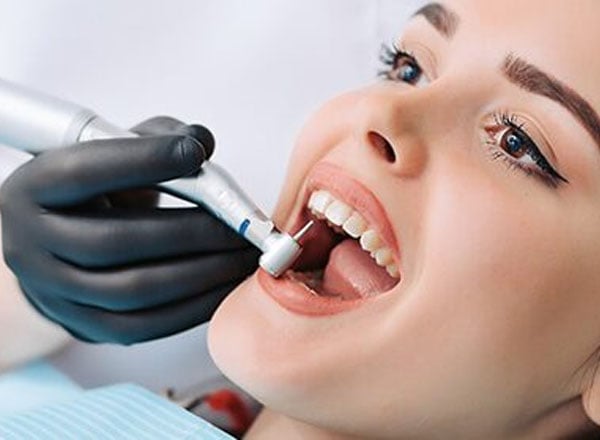
A common question many patients ask after a dental cleaning is, “Can you eat after teeth polishing?” The answer is generally yes, but with a few important considerations. Teeth Polishing & Scaling in Dubai is a non-invasive procedure designed to remove surface stains and smooth the enamel. While it doesn’t require anesthesia or involve any recovery time, dentists do recommend specific dietary precautions immediately after the session to maintain the polish and prevent staining.
What Happens During Teeth Polishing?
Understanding the procedure helps clarify why certain foods should be avoided right after. Teeth polishing is often performed after scaling and involves a mildly abrasive paste and a rotating rubber cup.
- Removes surface stains from coffee, tea, and tobacco
- Smooths the tooth’s surface to make it harder for plaque to stick
- Leaves the enamel slightly more porous for a short period
- Uses fluoride polish to help strengthen enamel post-treatment
- Leaves the mouth feeling fresh and clean
Because the enamel is freshly polished, it's temporarily more prone to staining, which is why post-treatment care is important.
Foods to Avoid Immediately After Polishing:
While you can eat after teeth polishing, dentists recommend waiting at least 30 minutes before consuming anything—especially food or beverages that stain. To preserve the polish and protect your enamel:
- Avoid coffee, tea, red wine, and colored soft drinks for 2–4 hours
- Stay away from curry, tomato sauce, soy sauce, and dark berries
- Skip hot foods or drinks if fluoride polish was used, to allow it to set
- Limit sticky or sugary snacks that can cling to tooth surfaces
- Refrain from smoking or vaping immediately after the procedure
These precautions help prolong the clean, bright results of the polish and reduce the risk of new surface stains.
What You Can Eat After Teeth Polishing?
After the brief waiting period, you’re free to eat—but choosing the right foods can help maintain your oral health and the results of your cleaning.
- Opt for water, milk, and clear fluids to stay hydrated and protect enamel
- Eat soft foods like yogurt, eggs, bananas, rice, and mashed potatoes
- Include high-calcium foods to support strong teeth
- Crunchy fruits and vegetables like apples and carrots help clean teeth naturally
- Sugar-free gum can stimulate saliva and aid in plaque control
These food choices not only support dental health but are gentle on your freshly polished enamel.
Long-Term Tips to Maintain the Results:
Teeth Polishing & Scaling Treatment leaves your smile looking brighter, but daily habits are essential to keep it that way. By being mindful of what you consume regularly, you can extend the benefits.
- Brush twice a day using a fluoride toothpaste and soft-bristled toothbrush
- Floss daily to remove food particles and prevent tartar buildup
- Use a straw when drinking dark-colored beverages to reduce contact with teeth
- Rinse your mouth with water after consuming staining foods or drinks
- Schedule routine dental cleanings every 6 months to maintain oral hygiene
Following these habits helps you enjoy the long-lasting effects of each polishing session.
Final Thoughts: Can You Eat After Teeth Polishing?
So, can you eat after teeth polishing? Yes—but with smart choices. While you won’t feel discomfort after the procedure, your enamel is more susceptible to stains for a few hours. With a bit of care, you can keep your teeth looking their best.
- Wait at least 30 minutes after the procedure before eating or drinking
- Avoid dark, acidic, and staining foods for several hours
- Choose light-colored, soft foods and clear liquids post-polishing
- Maintain a strong at-home oral hygiene routine
- Follow your dentist’s personalized care recommendations
By making informed dietary decisions, you’ll protect the polish, preserve your bright smile, and enjoy the full benefits of professional dental cleaning.