
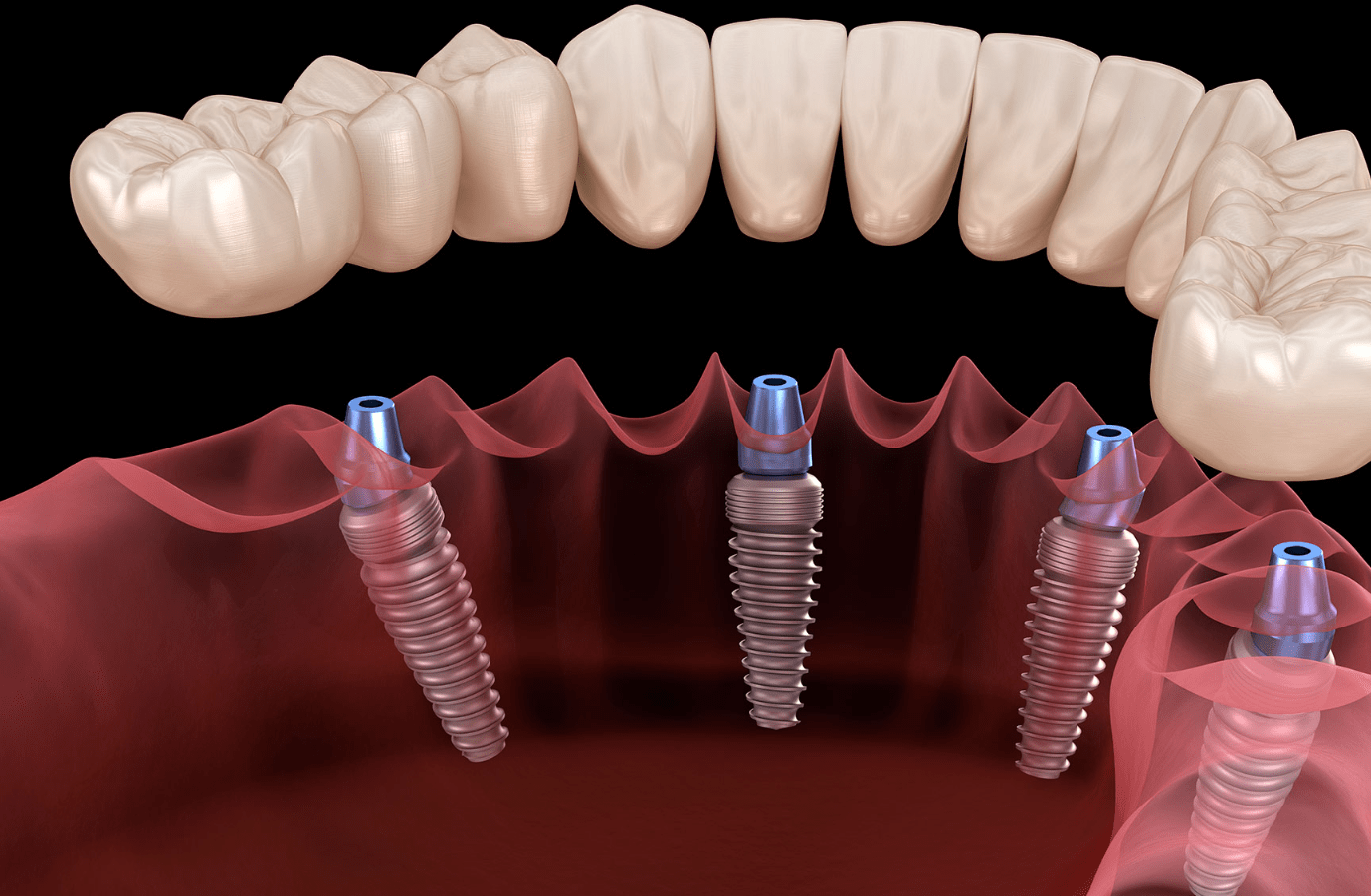
When considering implant surgery, many patients ask, what’s the healing time for dental implants? The recovery timeline can vary based on health, bone quality, and the complexity of the procedure. On average, full healing takes between 3 to 6 months, but some cases may require more time. Understanding the stages of healing helps patients plan and care for their Dental implants in Dubai to ensure long-term success.
Initial Recovery After Surgery:
The first stage of healing begins immediately after implant placement. During this time, the body responds to the procedure and starts repairing the tissue around the implant.
- Swelling and discomfort are common for the first 48–72 hours
- Bleeding usually subsides within the first 24 hours
- Soft tissue (gums) typically heals within 1–2 weeks
- Pain can be managed with prescribed or over-the-counter medications
- Patients are advised to eat soft foods and avoid strenuous activity
This initial phase sets the foundation for the implant to integrate properly with the bone.
Osseointegration Phase:
A critical part of the healing process is osseointegration, where the titanium post fuses with the jawbone to create a stable foundation for the crown.
- This stage generally takes 3 to 6 months, depending on bone quality
- Healthy, dense bone may shorten the healing time
- Poor bone density or grafting may extend the integration period
- During this phase, patients should avoid placing stress on the implant
- X-rays may be taken periodically to monitor bone growth
Successful osseointegration is essential for long-term implant stability and function.
Factors That Influence Healing Time:
Several individual factors can either speed up or slow down how quickly a dental implant heals. Dentists evaluate these risks during the planning stage.
- Smokers may experience slower healing due to reduced blood flow
- Diabetics with poor glucose control may require more time
- Medications such as steroids or immunosuppressants may delay bone fusion
- Patients with strong immune systems tend to heal faster
- Bone grafts or sinus lifts add healing time before implant placement
A personalized treatment plan can help minimize delays and improve outcomes.
Aftercare Tips to Promote Faster Healing:
Proper care after implant surgery plays a vital role in reducing recovery time and preventing complications such as infection or implant failure.
- Keep the surgical site clean using dentist-approved rinses
- Follow all post-op instructions carefully, including prescribed medications
- Avoid smoking or alcohol during the healing period
- Maintain a balanced diet rich in vitamins and minerals
- Attend all follow-up appointments to ensure proper healing
Good oral hygiene habits also contribute to quicker gum and bone recovery.
When Is the Final Crown Placed?
Patients often wonder when they’ll receive the visible part of the implant—the crown. The answer depends on how well the implant integrates with the bone.
- Most dentists wait until full osseointegration is confirmed
- A healing abutment may be placed to shape the gum tissue
- Impressions for the crown are taken once the implant is stable
- Temporary crowns may be used in some aesthetic cases
- The final crown is attached when the implant is fully healed and secure
Rushing this process can jeopardize the implant’s success, so patience is key.
Long-Term Healing and Success:
Even after the crown is placed, the healing process continues as the body adjusts and the Dental implants Treatment becomes a functional part of your mouth.
- Minor adjustments to bite and chewing habits may be necessary
- Ongoing bone remodeling can take up to a year
- Regular dental visits help monitor the implant’s performance
- Continued good hygiene prevents infections like peri-implantitis
- With proper care, dental implants can last a lifetime
So, what’s the healing time for dental implants? While most people recover within several months, healing is a process influenced by many factors. Knowing what to expect can make your journey smoother and your results more successful.