
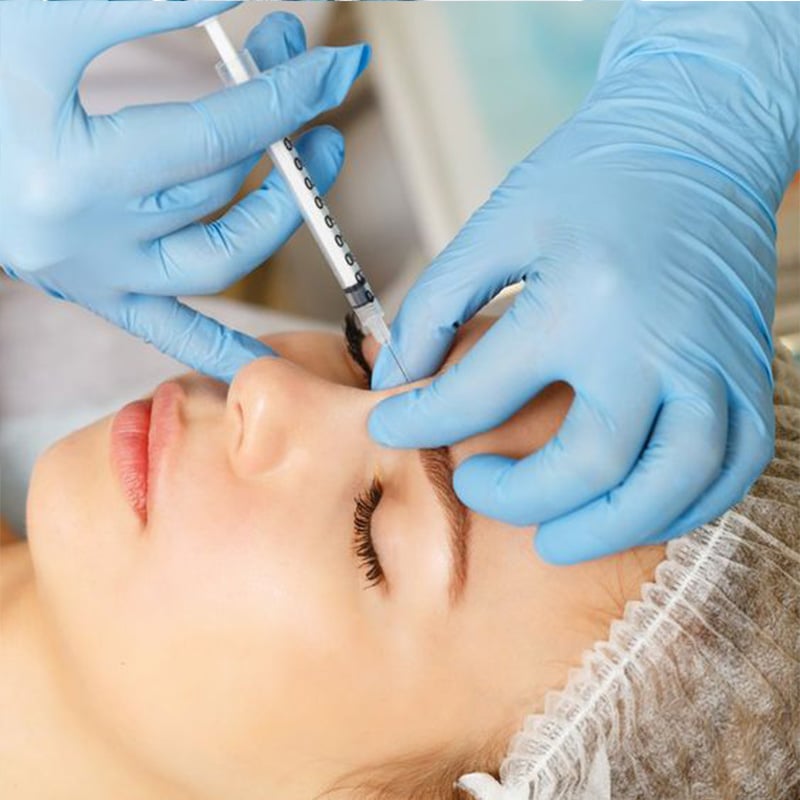
Rosacea is more than occasional facial redness. It is a chronic inflammatory skin condition that can affect confidence, comfort, and long-term skin health if not properly managed. Characterized by persistent redness, visible blood vessels, sensitivity, and sometimes acne-like breakouts, rosacea requires a structured and personalized treatment plan. At Derma clinic Dubai, rosacea management is approached through medical expertise, advanced technology, and long-term skin barrier support.
This comprehensive guide explains how rosacea develops, its triggers, and the evidence-based strategies used to manage and control flare-ups effectively.
Understanding Rosacea: A Chronic but Manageable Condition
Rosacea primarily affects the central face, including the cheeks, nose, forehead, and chin. Although its exact cause remains unclear, contributing factors include:
- Genetic predisposition
- Immune system dysfunction
- Environmental triggers
- Overactive blood vessels
- Skin barrier weakness
Without professional management, rosacea can progress from mild redness to persistent inflammation and thickened skin in advanced stages. Early diagnosis plays a crucial role in preventing complications.
Recognizing the Symptoms of Rosacea:
Rosacea presents differently in each patient, but common symptoms include:
- Persistent facial redness
- Flushing episodes
- Visible broken capillaries
- Burning or stinging sensation
- Acne-like bumps without blackheads
- Skin dryness and sensitivity
Dermatech specialists conduct detailed evaluations to distinguish rosacea from acne, eczema, or allergic reactions, ensuring accurate treatment.
Step One: Identifying Personal Triggers
Trigger management is foundational in rosacea care. Common triggers include:
- Sun exposure
- Spicy foods
- Alcohol
- Extreme temperatures
- Stress
- Harsh skincare products
At Dermatech Polyclinic, patients are guided to track flare-ups and identify patterns. Avoiding triggers significantly reduces inflammation frequency.
Building a Rosacea-Friendly Skincare Routine:
A compromised skin barrier is a hallmark of rosacea. Dermatologists recommend a gentle skincare regimen that focuses on soothing and strengthening the skin.
Gentle Cleansing:
Use mild, fragrance-free cleansers that do not strip natural oils. Over-cleansing can worsen irritation.
Barrier Repair Moisturizers:
Moisturizers containing ceramides and soothing ingredients help restore the skin barrier and reduce sensitivity.
Daily Sun Protection:
UV exposure is one of the strongest rosacea triggers. Broad-spectrum sunscreen with physical blockers like zinc oxide is highly recommended.
Avoid exfoliating scrubs, alcohol-based toners, and aggressive treatments without medical supervision.
Medical Treatments for Active Rosacea:
When lifestyle adjustments and basic skincare are not enough, medical intervention becomes necessary. Dermatech Polyclinic offers customized treatment plans that may include:
Topical Medications:
Prescription creams reduce inflammation, control redness, and treat papules or pustules associated with rosacea.
Oral Medications:
In moderate to severe cases, oral antibiotics with anti-inflammatory properties may be prescribed to control flare-ups.
Anti-Inflammatory Therapies:
Specialized formulations calm persistent redness and reduce vascular reactivity.
These treatments are carefully monitored to ensure effectiveness and minimize side effects.
Laser Therapy for Persistent Redness:
Laser and light-based treatments are among the most effective solutions for visible blood vessels and chronic redness. Targeted laser therapy works by:
- Shrinking dilated blood vessels
- Reducing flushing intensity
- Improving overall skin tone
Sessions are spaced strategically to allow gradual improvement with minimal downtime. Laser therapy is particularly helpful for patients whose redness does not respond to topical treatments alone.
Managing Ocular Rosacea:
Some individuals experience rosacea symptoms affecting the eyes, including dryness, irritation, and redness. Early detection is essential to prevent complications.
Dermatech experts coordinate care recommendations and may suggest supportive eye hygiene measures or referrals when needed.
Diet and Lifestyle Adjustments for Long-Term Control:
Rosacea management extends beyond topical care. Lifestyle plays a critical role in preventing flare-ups.
Dietary Considerations:
Reducing spicy foods, hot beverages, and alcohol can decrease flushing episodes. Incorporating anti-inflammatory foods rich in antioxidants supports overall skin health.
Stress Reduction:
Stress triggers vascular reactions that worsen rosacea. Mindfulness, regular exercise, and adequate sleep help regulate inflammatory responses.
Climate Protection:
In hot or cold climates, protecting the skin with appropriate clothing and hydration minimizes flare-ups.
Preventing Rosacea Progression:
Untreated rosacea can progress to more advanced stages, including rhinophyma (thickened nasal skin). Early intervention reduces the risk of long-term changes.
Regular dermatological follow-ups allow treatment plans to be adjusted based on skin response and seasonal variations.
Common Mistakes to Avoid:
Patients often unknowingly worsen rosacea by:
- Over-exfoliating
- Using acne treatments designed for oily skin
- Ignoring sunscreen
- Trying multiple new products at once
- Self-medicating without professional advice
Dermatech emphasizes gradual, medically guided adjustments rather than aggressive experimentation.
Personalized Treatment Plans at Dermatech Polyclinic:
Every rosacea case is unique. Specialists at Dermatech Polyclinic develop individualized treatment plans based on:
- Severity of redness
- Presence of acne-like lesions
- Skin sensitivity level
- Trigger profile
- Lifestyle factors
Combining medical therapy, laser treatments, and preventive care ensures comprehensive management.
What to Expect from Treatment?
Rosacea is a chronic condition, meaning it can be controlled but not permanently cured. However, with consistent treatment:
- Redness becomes less intense
- Flare-ups occur less frequently
- Skin texture improves
- Sensitivity decreases
Most patients notice gradual improvement within weeks, with significant control achieved through long-term adherence.
The Importance of Ongoing Monitoring:
Regular consultations allow dermatologists to evaluate progress and modify treatments as needed. Seasonal changes, stress levels, and hormonal fluctuations may influence rosacea activity.
Ongoing monitoring ensures sustained control and prevents relapses.
Frequently Asked Questions:
Can rosacea be permanently cured?
Rosacea cannot be permanently cured, but it can be effectively managed with proper care and medical treatment.
Is laser treatment safe for rosacea?
Yes, when performed by trained professionals, laser therapy is safe and highly effective for reducing redness.
How long does treatment take?
Improvement varies depending on severity, but many patients see noticeable results within a few weeks of starting treatment.
Final Thoughts:
Rosacea requires patience, consistency, and professional guidance. Attempting to treat it without medical supervision can worsen symptoms and prolong discomfort.
At Dermatech polyclinic, rosacea management combines advanced dermatological treatments, lifestyle counseling, and long-term monitoring to provide lasting control. Through personalized care plans and evidence-based therapies, patients can achieve calmer, clearer skin and improved confidence—despite the challenges of this chronic condition.