
Here’s Why Selective Hearing Could Be Sabotaging Your Relationships
Have you ever found yourself getting upset during a conversation, only to realize later that you misinterpreted what was said? Or maybe someone tells you that’s not what they meant, but you could have sworn you heard it that way. If this sounds familiar, you might be guilty of selective hearing – and it could be causing more harm than you realize.
What Is Selective Hearing?
Selective hearing is when you only listen to certain parts of a conversation, often focusing on the parts that confirm your own thoughts, feelings, or insecurities. It’s not necessarily intentional, but it happens when you’re more focused on how you feel or what you want to say next than truly understanding the other person.
This habit can easily lead to twisting someone’s words, not because you want to misrepresent them, but because your mind is already filtering the information through your own lens of interpretation.
Why Do We Twist Words?
There are several reasons why people twist words, even unconsciously:
1. Emotional Triggers: If you’re feeling defensive, insecure, or emotional about a topic, you might unconsciously hear what feeds those emotions, rather than the full context of the conversation.
2. Preconceived Notions: When you already have an opinion about someone or something, you’re likely to hear only the parts that confirm your beliefs, dismissing or misinterpreting the rest.
3. Lack of Active Listening: Often, we listen just enough to prepare our response, instead of fully engaging and understanding the other person’s perspective.
4. Confirmation Bias: This is the tendency to interpret new information in a way that confirms your preexisting beliefs. If you expect someone to be critical, you might perceive even neutral comments as negative.
Listening is a Skill
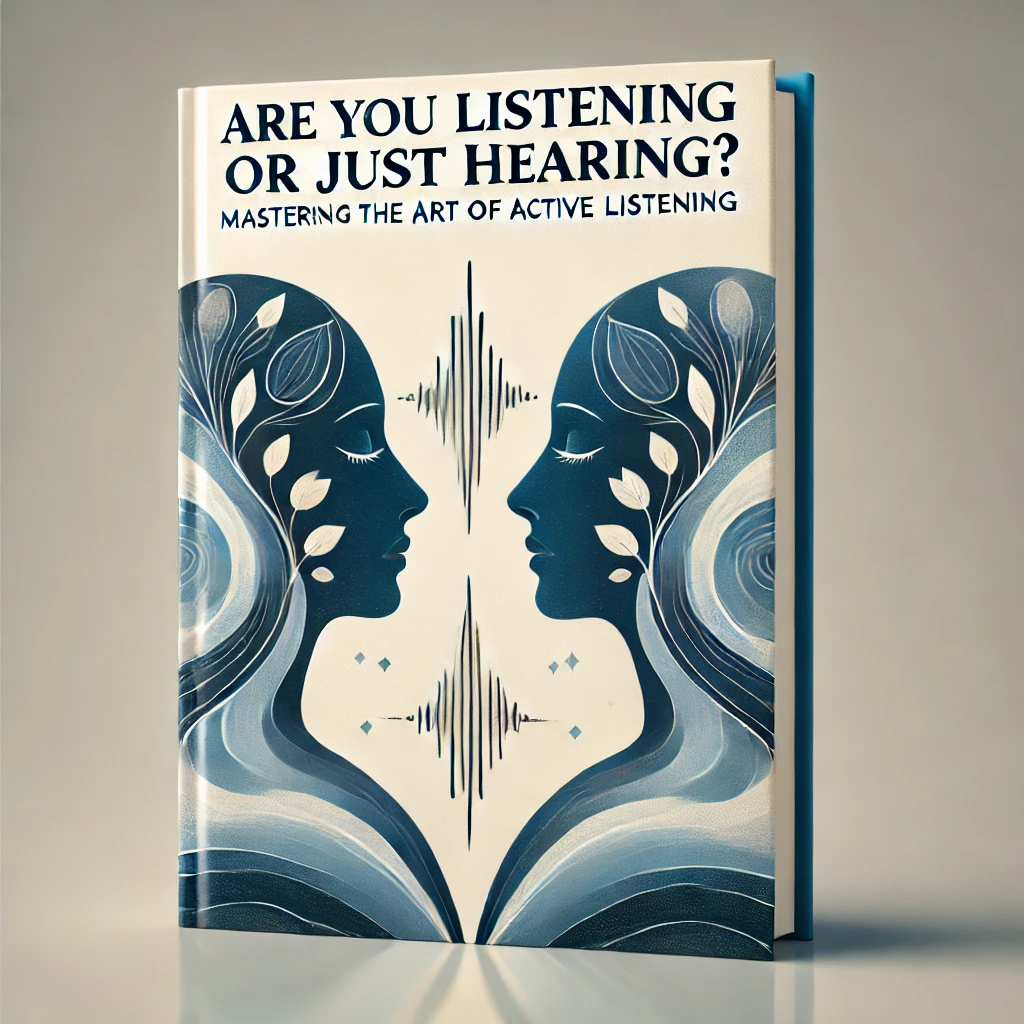
Listening is not just about hearing words; it’s an active skill that requires practice, patience, and intentionality. Just because you can hear doesn’t mean you’re truly listening. Real listening involves:
• Focusing on the speaker and giving them your full attention.
• Avoiding interruptions and resisting the urge to formulate your response while they’re still talking.
• Understanding the message behind the words, including emotions and intentions.
Listening is a skill that can be developed over time, and it’s crucial for effective communication and healthy relationships. It’s not passive; it requires effort and a willingness to understand the other person fully.
What Does the Bible Say About Listening?
The Bible emphasizes the importance of listening with wisdom and humility. Here are some powerful scriptures that remind us of the value of being quick to listen and slow to speak:
• James 1:19 (NIV) – “My dear brothers and sisters, take note of this: Everyone should be quick to listen, slow to speak, and slow to become angry.”
• This verse reminds us that listening should always precede speaking. When we listen first, we are less likely to react emotionally and more likely to respond with wisdom.
• Proverbs 18:13 (NIV) – “To answer before listening—that is folly and shame.”
• This scripture highlights the importance of hearing someone out completely before forming a response. When we cut people off or assume we know what they mean, we risk misunderstanding and twisting their words.
• Proverbs 19:20 (NIV) – “Listen to advice and accept discipline, and at the end you will be counted among the wise.”
• Listening isn’t just about hearing words; it’s about learning and growing. A wise person is open to correction and willing to understand others’ perspectives.
• Proverbs 12:15 (NIV) – “The way of fools seems right to them, but the wise listen to advice.”
• Wise people are teachable and willing to listen to others, even if it challenges their own viewpoint.
The Bible makes it clear that listening is not just polite—it’s a sign of wisdom, humility, and emotional maturity.
How Selective Hearing Affects Relationships
Selective hearing can severely impact your relationships because it leads to misunderstandings, unnecessary arguments, and feelings of being unheard or misunderstood. When people feel misquoted or misunderstood, they often become defensive, creating a cycle of miscommunication and conflict.
Think about it when was the last time you were in an argument and felt the other person was putting words in your mouth? It’s frustrating, isn’t it? Now imagine how often others might feel that way with you if you’re unknowingly twisting their words due to selective hearing.
How to Stop Twisting Words and Start Truly Listening
If you recognize that you have a habit of selective hearing, don’t worry there are ways to improve your listening skills:
1. Practice Active Listening: This means fully focusing on the speaker, avoiding interruptions, and not planning your response while they’re talking.
2. Seek Clarification: If something seems unclear or triggering, ask for clarification before jumping to conclusions. Try saying, “Can you explain what you meant by that?” or “I heard you say this; is that what you meant?”
3. Check Your Emotions: If you notice emotional triggers during a conversation, take a moment to breathe and remind yourself to stay objective. Recognize that your feelings might be influencing how you’re interpreting the words.
4. Paraphrase and Reflect: Repeat what you think you heard in your own words to confirm your understanding. For example, “So, what you’re saying is…?” This prevents miscommunication and shows that you’re actively trying to understand.
5. Keep an Open Mind: Approach each conversation without assumptions. Give the speaker the benefit of the doubt, and avoid jumping to conclusions before they finish speaking.
Final Thoughts
Selective hearing and twisting words can lead to unnecessary conflicts and misunderstandings, especially in close relationships. By practicing active listening, seeking clarification, and being aware of emotional triggers, you can improve your communication skills and build healthier connections with others.
The Bible teaches us that listening is more than just hearing words; it’s a sign of wisdom and humility. By embracing the biblical principles of being “quick to listen, slow to speak, and slow to become angry,” we can transform how we communicate and relate to others.
Next time you find yourself getting upset during a conversation, pause and reflect:
Are you truly listening, or are you only hearing selectively? Changing this habit isn’t easy, but it can transform your relationships and help you grow spiritually.
Remember, the key to effective communication isn’t just hearing words it’s truly understanding them.
Comments ()