
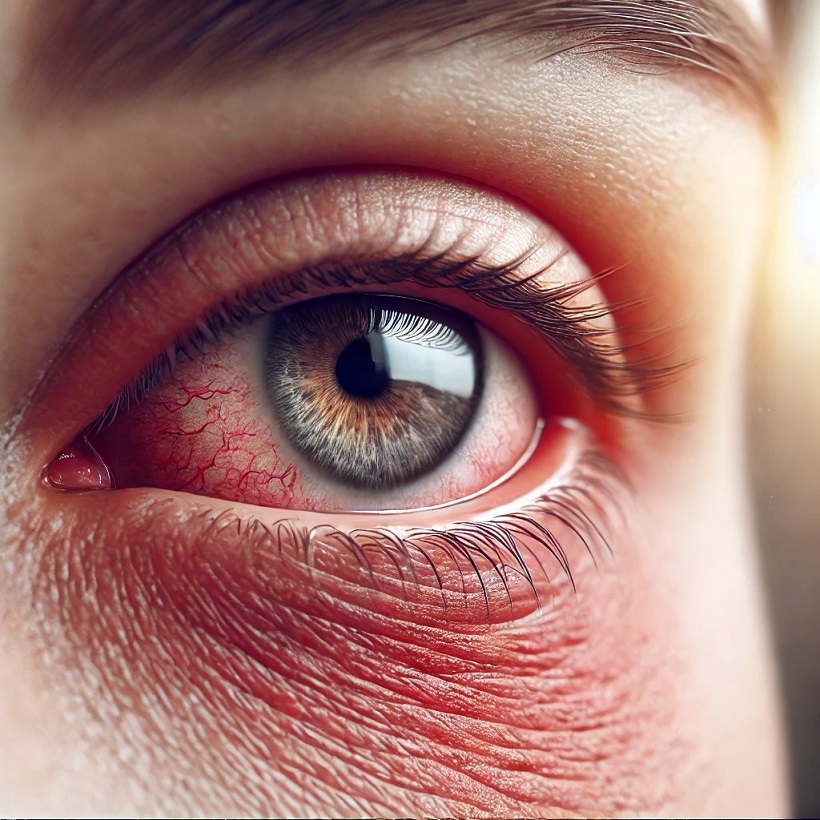
Many patients with persistent dry eye end up with a generic diagnosis and a bottle of artificial tears. Yet the real culprit often hides in plain sight: Meibomian Gland Dysfunction (MGD). These tiny oil glands along your eyelids work nonstop to keep your tears stable. When they falter, tears evaporate in seconds. Despite its prevalence, MGD frequently slips past routine eye exams. Recognizing this gap is the first step in correcting the record—and finally getting lasting relief from dry, irritated eyes.
Why MGD Hides from Routine Checks?
Standard dry eye tests focus on tear quantity, not quality. Without specific tools—like meibography or tear-film lipid analysis—clinicians miss clogged or inflamed glands. Symptoms overlap with other conditions, so many doctors treat only surface irritation. Patients report limited or temporary relief, fueling a cycle of misdiagnosis. To understand MGD, clinicians must look beyond basic slit-lamp exams and consider lipid-layer stability and gland expressibility as key diagnostic markers. Get expert advice for meibomian dysfunction—start here!
The Price of Misdiagnosis
When MGD is overlooked, patients endure needless discomfort. They cycle through lubricants, anti-inflammatories, and even contact lens changes without improvement. This trial-and-error wastes time and money while symptoms worsen. Chronic irritation can lead to corneal damage, vision fluctuations, and an increased risk of infection. Misdiagnosed patients grow frustrated and may stop seeking care, resigning themselves to a life of constant eye strain and pain.
Steps to Improve MGD Detection
Eye care professionals can close the gap by adopting targeted diagnostic methods. Implement meibography to image gland structure and use tear-breakup-time tests that highlight lipid deficiencies. Train staff to perform gentle gland expression and evaluate secretion quality. Encourage patients to describe symptom patterns—like morning heaviness or eyelid crusting—that point to MGD. When in doubt, refer to a dry eye specialist rather than masking symptoms with generic treatments.
Your Role in Accurate Diagnosis
Patients also play a vital role. If standard drops and routines fail, ask your doctor about meibomian gland evaluation. Share detailed symptom logs and request specific tests. Early detection prevents long-term damage and reduces treatment time. By staying informed and advocating for thorough exams, you help shift the focus from short-term relief to root-cause treatment. Together, clinicians and patients can rewrite the narrative on MGD and restore healthy, stable tears. Advanced blepharitis treatment in Adelaide for lasting comfort.