
Few things are scarier for a parent than imagining their child getting lost in a public place. The good news?
With a few simple safety rules, kids can learn exactly what to do .. and parents can feel more confident letting them explore the world. This guide breaks down clear, age-appropriate steps every child should know before they ever need them:
🎁 Free Printable:
To make practicing these safety skills even easier, I’ve created a free Lost Child Safety Checklist for Kids. You can print it at home and review the steps with your child anytime. Grab your free copy here: Free Lost Child Safety Checklist Printable
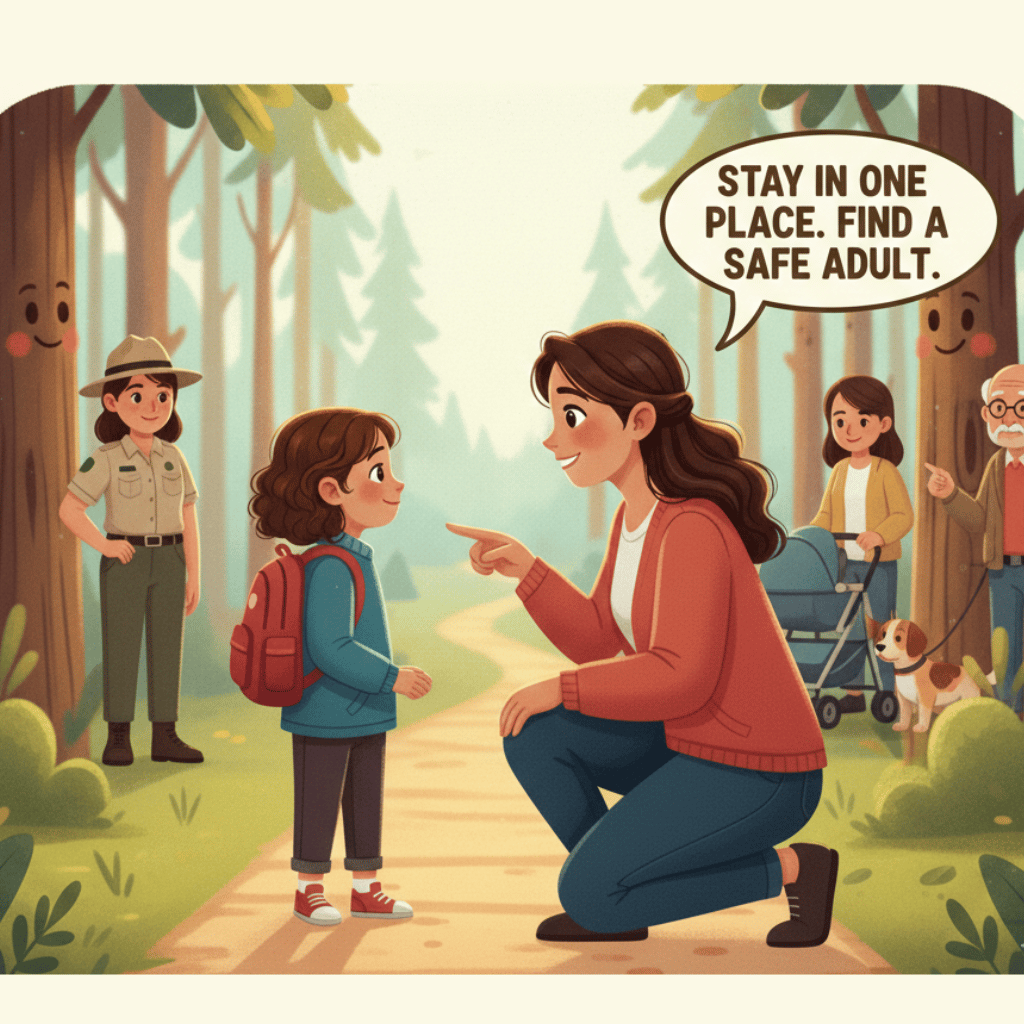
1. Stay in One Place:
The most important rule: don’t wander.
Teach your child to:
Stop moving as soon as they realize they’re lost
Stay near the spot where they last saw you
This makes it much easier for you or store staff to find them quickly.
Practice tip:
Play a “freeze game” at the store or park .. when you say “lost,” they practice stopping and staying put.
2. Find a “Safe Adult”:
Children should know who to ask for help.
Safe adults include:
A parent with kids
A cashier or store employee
A security guard or police officer
Teach them not to leave the building or parking area with anyone.
3. Say Your Parent’s Full Name:
Kids often panic and say only “mom” or “dad.”
Practice:
Parent’s full name
Another trusted adult’s name if possible
This helps staff make announcements or locate you faster.
4. Know a Phone Number by Heart:
Even young kids can memorize a phone number with repetition.
Tips:
Practice weekly
Turn it into a song or rhythm
Start with just one number (usually mom or dad)
If your child isn’t ready yet, teach them to say:
“I don’t know my number, but I know my parent’s name.”
5. Ask Store Staff for Help Immediately:
Let your child know:
Stores have a missing-child protocol
Staff are trained to help quickly
Asking for help is never “getting in trouble”
This step alone can prevent a situation from escalating.
6. Trust Their Instincts:
Teach children that it’s okay to:
Say “no”
Walk away
Find another adult if someone feels unsafe
This builds confidence, not fear.
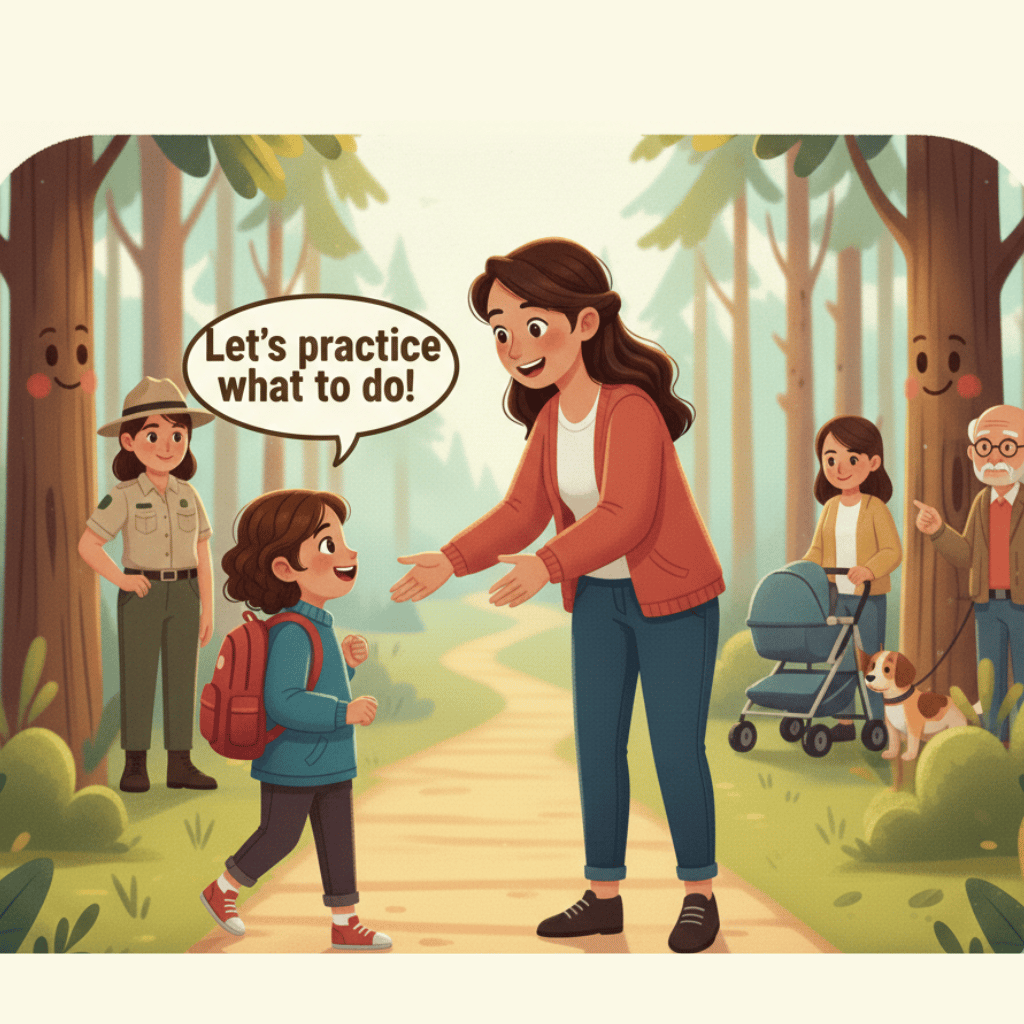
Practice Makes Calm
Safety skills work best when they’re familiar, not scary.
You don’t need long lectures.
Just:
Short conversations!
Role-playing!
Gentle reminders!
📄 Practice Made Simple: Don't forget to use the free printable checklist! to go through these steps with your child. It's a simple, calm way to help them feel confident and prepared. Download your free copy here :
Free Lost Child Safety Checklist Printable
If you’d like more guided practice and confidence-building activities, I also created the Kids Safety & Confidence Printable Bundle. It expands on the free checklist with role-play scenarios, calm exercises, and parent tools — perfect for gentle, ongoing practice.