

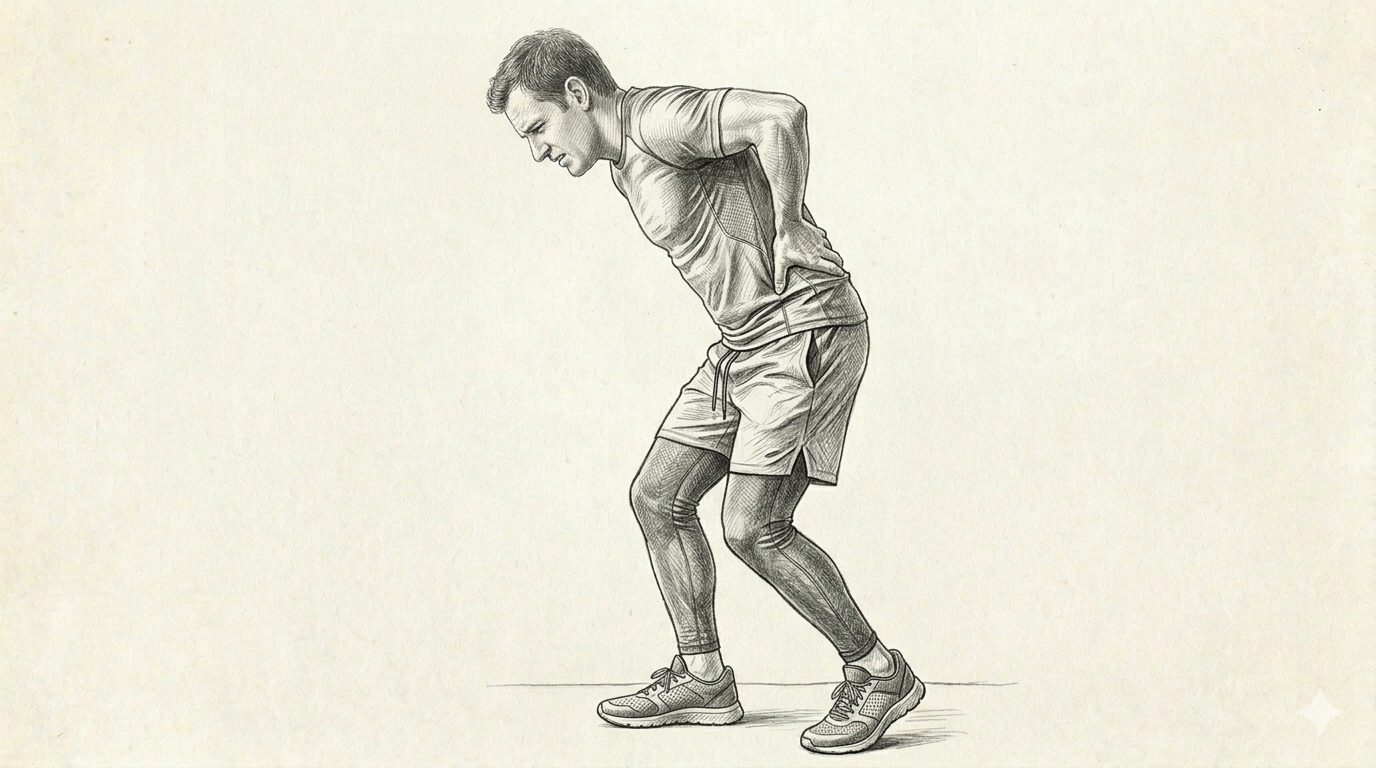
Low back pain is a leading cause of disability. It occurs in similar proportions in all cultures, interferes with quality of life and work performance, and is the most common reason for medical consultations. Few cases of back pain are due to specific causes; most cases are non-specific.
World Health Organization: https://www.who.int/bulletin/volumes/81/9/Ehrlich.pdf Pubmed
When seeking advice from a Physiotherapist, Physical Therapist, Chiropractor, or Osteopath about back pain, you may encounter varying opinions on:
- The nature of the pain
- The type of pain
- The underlying cause of the pain
- The recommended treatment
This discrepancy in opinions among professionals can be confusing for patients seeking relief from musculoskeletal issues. To address this, it is essential to understand the basic levels of diagnosis and differentiate between the two main types of back pain. This knowledge can empower patients to make informed decisions and alleviate fears associated with their back problems. Let's delve into this distinction.
Acute Low Back Pain
Acute low back pain can occur suddenly, often due to a sudden injury to the joints, muscles, or ligaments supporting the back. This type of pain is commonly caused by muscle spasms, strains, or tears in the muscles and ligaments, especially after strenuous physical activity or sports.
The intensity of acute pain from strains and sprains can be severe, but it usually subsides within a few days. It is important to stay active and keep moving, even though it may be uncomfortable, to help alleviate the pain and promote healing.
Your initial treatment of an Acute condition will be to COOL the area to reduce the inflammation and soothe pain.
David Connor - B.Sc, M.sc Chiropractic, RN/RGN Nursing Orthopaedics, EMT
Chronic Low Back Pain
Chronic low back pain persists for more than three months and may require intervention when natural healing plateaus. It is often linked to disc, joint, or nerve root issues. Managing chronic low back pain can be challenging, but effective solutions exist. Clear communication and patient education are key for successful rehabilitation. A step-by-step approach with Heat, Massage, Move, Stretch, Strengthen, and Cool techniques can effectively treat and prevent low back pain recurrence.
When it comes to a Chronic condition, you will most likely HEAT the area in order to increase blood-flow, and prepare the body to heal.
David Connor - B.Sc, M.sc Chiropractic, RN/RGN Nursing Orthopaedics, EMT
How Common Is Back Pain?
Up to 80% of the population in the USA, UK, and Europe will experience low back pain in their lifetime, with around 70% of those individuals recovering to a large extent. However, recurrences are common. For a smaller group (up to 30%), back pain may persist beyond 6-12 weeks, disrupting various aspects of their lives and requiring treatment.
In most cases, back pain can be resolved and is not typically caused by a serious issue. Identifying the exact cause of back pain can be challenging initially, leading to a diagnosis of "non-specific back pain," which may not provide clear insights to the patient.
Treatment often involves light interventions and maintaining normal activities while staying active. In more severe cases, painkillers may be necessary, but they should be considered a last resort. Opting for drug-free pain management strategies can improve the chances of effectively treating back pain and reducing its duration.
Best of luck with your recovery!