
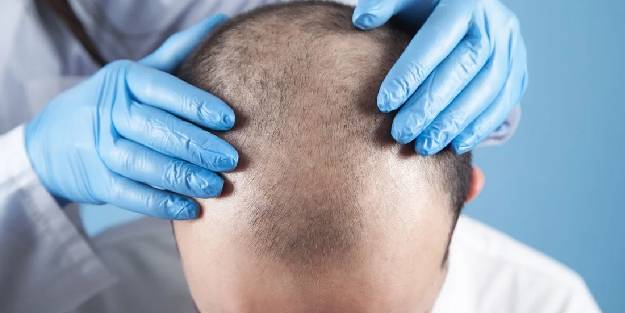
Thinning hair at the crown can be frustrating, affecting both appearance and confidence. Many individuals in the UAE are exploring crown hair transplants in Dubai as a solution to restore hair density and regain a fuller look. But can this procedure truly address thinning hair effectively, especially in the crown area, which is often more challenging to treat? Understanding the process, benefits, and expectations is key to making an informed decision about hair restoration.
Why the Crown Area is Unique
The crown, or vertex, of the scalp has unique characteristics that make hair restoration slightly different from other areas. Hair in this region tends to be finer, and thinning here often progresses gradually but noticeably. Because of its circular growth pattern, creating a natural-looking result requires careful planning and precise placement of hair follicles.
Crown hair transplants target these areas by transplanting healthy hair follicles from donor regions, typically from the back or sides of the scalp, where hair is more resistant to thinning. The goal is to achieve natural density and flow while maintaining harmony with surrounding hair.
How Crown Hair Transplants Work
A crown hair transplant involves harvesting healthy follicles and carefully implanting them into thinning areas. The process can be performed using techniques like FUE (Follicular Unit Extraction) or FUT (Follicular Unit Transplantation). FUE is particularly popular for crown transplants because it allows for precise placement without leaving linear scars.
After transplantation, the follicles begin to establish themselves in the recipient area. Initially, transplanted hair may shed within the first few weeks—a normal part of the hair growth cycle. New growth typically appears within three to six months, with full results visible around 12 months.
Benefits of Crown Hair Transplants
Crown hair transplants offer several advantages for individuals struggling with thinning hair:
- Restores Natural Density: Strategically transplanted follicles can recreate the appearance of fuller hair in the crown.
- Long-Term Solution: Unlike temporary treatments, transplanted hair is typically resistant to the same thinning process that affects the original crown.
- Boosts Confidence: A fuller crown often improves overall appearance and self-esteem.
- Customizable Design: Hair placement can be tailored to achieve a natural flow that matches existing hair patterns.
These benefits make crown hair transplants a compelling option for those seeking lasting solutions to thinning in the upper scalp.
Challenges and Considerations
While effective, crown hair transplants require careful consideration. The crown area can be challenging because:
- Hair Growth Direction: Misalignment of follicles may result in an unnatural swirl pattern.
- Density Requirements: Achieving sufficient density may require more grafts than other areas.
- Healing Time: As with all transplants, recovery takes time, and patience is essential to see full results.
Understanding these factors ensures realistic expectations and a successful outcome. Experienced planning is critical to replicate the crown’s natural growth pattern.
Supporting Hair Health Post-Transplant
After a crown hair transplant, supporting hair health is crucial for maximizing results. Simple lifestyle habits and care routines can significantly enhance the growth and longevity of transplanted hair:
- Maintain Proper Nutrition: Protein, vitamins, and minerals support healthy hair growth.
- Gentle Hair Care: Avoid harsh chemicals, heat, and aggressive styling in the early months.
- Hydration and Scalp Care: Keeping the scalp clean and hydrated promotes healing and follicle strength.
- Regular Monitoring: Following up with check-ins ensures any concerns are addressed promptly.
Consistent care complements the transplant, helping maintain a natural and dense crown.
Who Can Benefit
Crown hair transplants are suitable for individuals experiencing noticeable thinning or bald spots in the crown area. Those with stable hair loss patterns, healthy donor hair, and realistic expectations tend to achieve the best outcomes. Whether thinning is early or moderate, transplanting hair in the crown can restore symmetry and improve overall hair aesthetics.
Conclusion
Crown hair transplants in Dubai provide an effective solution for restoring thinning hair in the crown area. By carefully transplanting healthy follicles and considering the unique characteristics of the crown, this procedure can create natural-looking density and long-lasting results. Combined with proper post-transplant care, individuals can enjoy a fuller, revitalized appearance and enhanced confidence. For anyone struggling with crown thinning, this hair restoration approach offers a promising path to achieving a healthier, more complete hairline.