
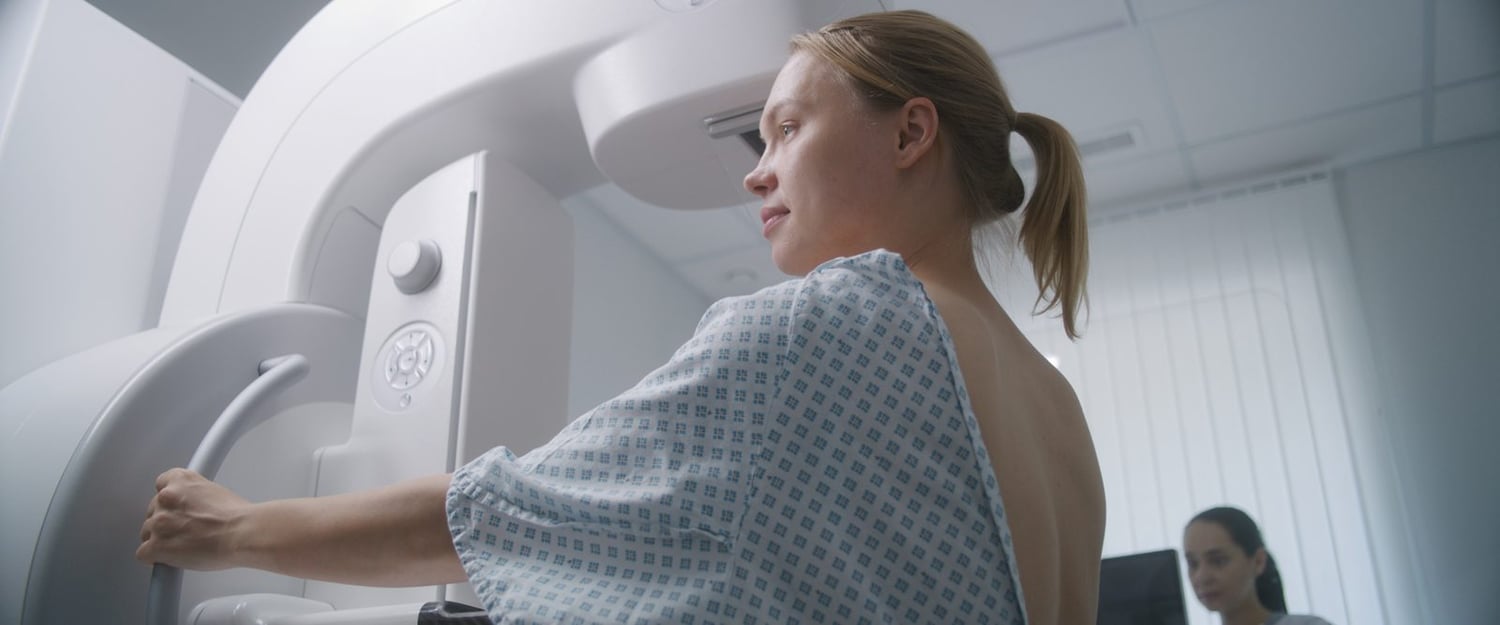
Breast health is an essential part of overall well-being, and early detection plays a crucial role in identifying potential concerns before they become serious. Many women exploring Mammogram Screening in Dubai often ask the same question: Do you need a referral to book an appointment? The answer depends on several factors, including age, medical history, and the type of screening required. Understanding how the process works can help you take proactive steps toward protecting your health with confidence and clarity.
Mammograms are specialized X-ray images designed to detect early signs of breast changes, including lumps or abnormalities that may not yet be physically noticeable. Whether you are scheduling your first screening or maintaining a routine check-up, knowing the referral requirements can save time and reduce uncertainty.
What Is a Mammogram Screening?
A mammogram is a low-dose X-ray of the breast used primarily to detect early signs of breast cancer. It can identify abnormalities long before symptoms appear, which significantly improves the chances of successful treatment.
Types of Mammograms
There are generally two types of mammograms:
- Screening Mammogram – Performed routinely for women without symptoms.
- Diagnostic Mammogram – Recommended if there are symptoms such as a lump, pain, or nipple discharge.
The type of mammogram you need can influence whether a referral is required.
Do You Always Need a Referral?
The need for a referral depends largely on whether you are booking a routine screening or addressing a specific medical concern.
1. Routine Screening Mammograms
For women within the recommended screening age range and without symptoms, many healthcare systems allow self-referral for routine mammograms. This means you can directly book your appointment without visiting a general practitioner first.
Self-referral is often encouraged for preventive care, making it easier for women to stay consistent with annual or biennial screenings.
2. Diagnostic Mammograms
If you are experiencing symptoms such as:
- A newly discovered breast lump
- Persistent breast pain
- Skin changes or dimpling
- Unusual nipple discharge
A referral may be required. Diagnostic mammograms are more detailed and often involve additional imaging. A medical evaluation ensures that the appropriate imaging approach is selected.
Why Referrals May Be Required in Some Cases
Although routine screenings may not require referrals, certain situations call for medical guidance.
Medical History Considerations
If you have:
- A strong family history of breast cancer
- Previous abnormal mammogram results
- Breast implants
- Genetic risk factors
A referral helps tailor the screening process to your individual needs. Healthcare providers may recommend additional imaging tests such as ultrasound or MRI alongside your mammogram.
Insurance or Policy Requirements
In some healthcare systems, referrals are required for insurance coverage purposes. It’s always wise to confirm policy details before scheduling your appointment to avoid unexpected delays.
When Should You Schedule a Mammogram?
Understanding age-based guidelines can clarify whether you need to act now or consult a healthcare provider first.
General Screening Recommendations
- Women aged 40 and above are often advised to begin regular screenings.
- Women with higher risk factors may need to start earlier.
- Frequency may vary from yearly to every two years depending on health recommendations.
If you are unsure about your eligibility, a brief consultation can provide clarity.
Benefits of Direct Access Screening
When self-referral is available, it offers several advantages:
- Convenience: No additional appointments required before booking.
- Faster access: Reduced waiting time for preventive care.
- Encouragement of regular screening: Easier scheduling promotes consistency.
Removing barriers to screening empowers women to prioritize their breast health without unnecessary complications.
What to Expect During the Appointment
Whether you require a referral or not, knowing what happens during a mammogram can ease anxiety.
The Procedure
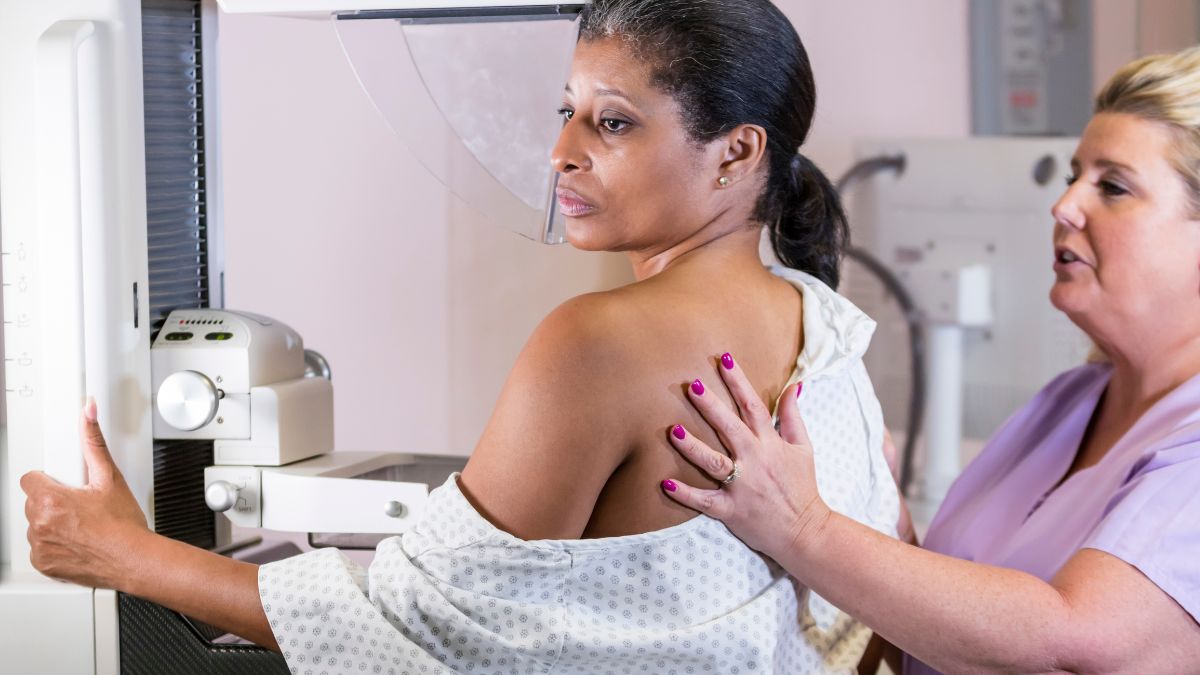
- The breast is gently positioned on the imaging plate.
- Light compression is applied for a few seconds to capture clear images.
- The process is repeated for different angles.
The entire procedure typically takes less than 30 minutes. While mild discomfort is possible due to compression, it is brief and manageable.
Preparing for Your Mammogram
Simple preparation can ensure accurate results:
- Avoid applying deodorant or lotion on the day of the exam.
- Schedule the appointment when breasts are least tender (often one week after your period).
- Inform the technician about any symptoms or previous surgeries.
These steps help optimize image clarity and overall comfort.
Taking Control of Your Breast Health
The question of whether you need a referral should never delay your commitment to preventive care. If routine screenings allow self-referral, take advantage of that accessibility. If symptoms or medical history require professional guidance, seeking a referral ensures you receive the most appropriate evaluation.
Breast health awareness, combined with timely screenings, significantly improves early detection outcomes. The key is staying informed and proactive rather than waiting for symptoms to appear.
Final Thoughts
So, do you need a referral for a mammogram? In many routine cases, the answer is no—but diagnostic or high-risk situations may require medical guidance. Understanding your personal health profile and screening eligibility makes the process smoother and more empowering. For women considering Mammogram Screening in Dubai, knowing the referral process in advance can eliminate uncertainty and encourage timely action, helping you prioritize early detection and long-term peace of mind.