
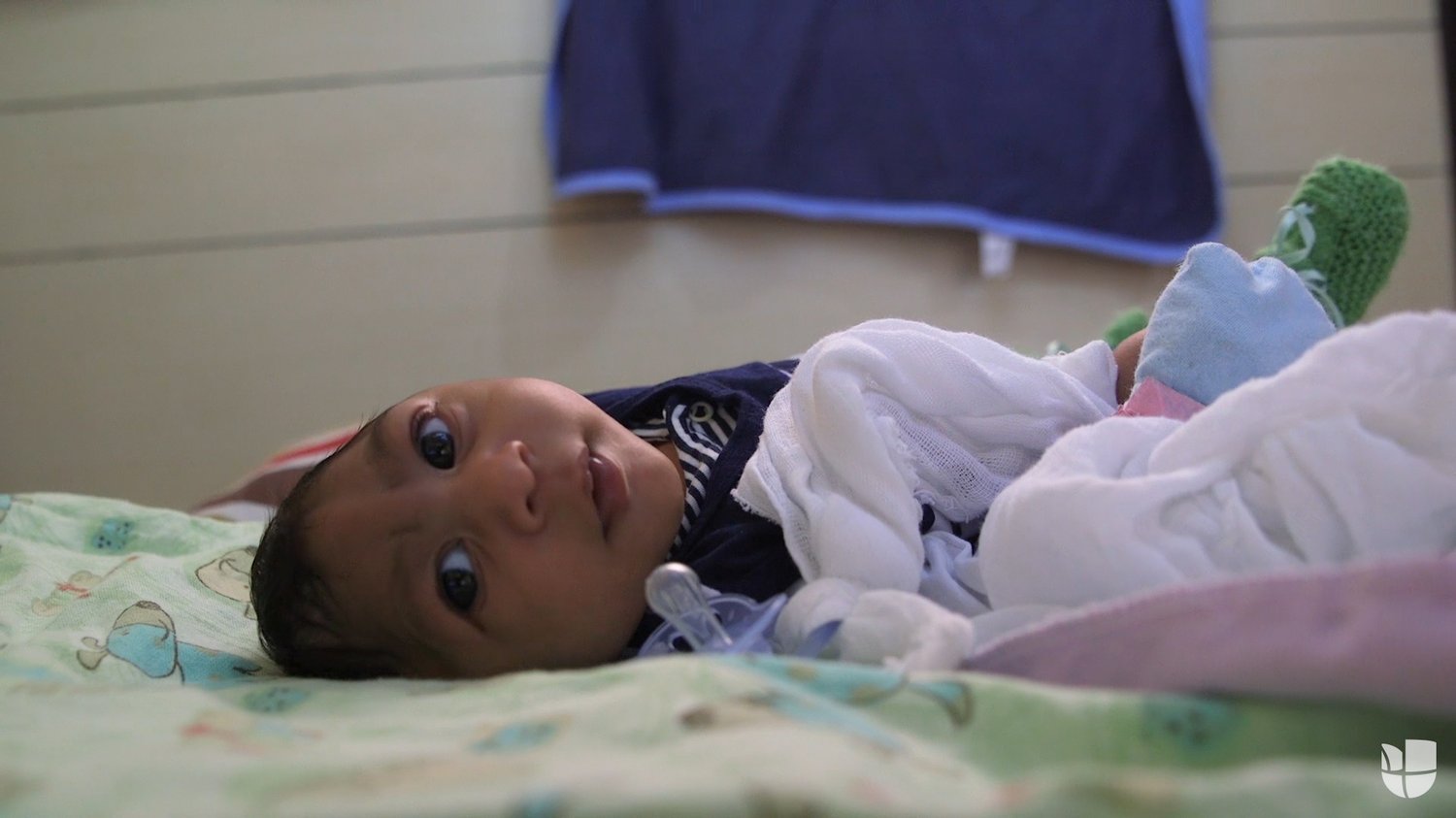
Congenital anomalies—also known as birth defects—can have a significant impact on a child’s health and development. With advances in medical technology, many of these conditions can now be detected before birth, giving families valuable time to prepare and make informed decisions. Understanding how these diagnoses are made can ease anxiety and empower expectant parents. In places where prenatal care is advanced, such as in cases involving Congenital Anomalies in Dubai, early detection plays a critical role in improving outcomes for both mother and baby.
Understanding Prenatal Diagnosis
Prenatal diagnosis refers to the range of tests and procedures used to detect abnormalities in a developing fetus. These anomalies may be structural (affecting organs or body parts) or genetic (linked to chromosomes or inherited conditions). Early diagnosis allows healthcare providers to monitor the pregnancy more closely and, in some cases, plan interventions before or immediately after birth.
Why Early Detection Matters
Early identification of congenital anomalies offers several benefits. It helps parents prepare emotionally and practically, ensures proper medical planning, and may even allow for treatment during pregnancy. In certain situations, early diagnosis can significantly improve the baby’s quality of life after birth.
Common Methods Used for Diagnosis
Modern prenatal care relies on a combination of screening and diagnostic tools. Each method provides different levels of information and accuracy.
Ultrasound Imaging
Ultrasound is one of the most widely used and safest tools for detecting congenital anomalies. It uses sound waves to create images of the fetus inside the womb.
Types of Ultrasound Scans
- First-trimester scan: Conducted around 11–14 weeks to assess early development and detect major abnormalities.
- Second-trimester anomaly scan: Typically done between 18–22 weeks, this detailed scan examines the baby’s organs, limbs, brain, and heart.
Ultrasound can identify structural issues such as cleft lip, heart defects, and neural tube abnormalities.
Maternal Blood Tests
Blood tests performed during pregnancy can screen for potential genetic conditions. These tests analyze specific markers in the mother’s blood that may indicate a higher risk of abnormalities.
Common Screening Tests
- First-trimester screening: Combines blood tests with ultrasound findings.
- Quadruple test: Conducted in the second trimester to assess risk for chromosomal conditions.
While these tests do not provide a definitive diagnosis, they help identify pregnancies that may require further testing.
Advanced Diagnostic Techniques
When screening tests suggest a higher risk, more advanced diagnostic procedures may be recommended. These tests provide more definitive results.
Amniocentesis
Amniocentesis involves taking a small sample of amniotic fluid from around the fetus. This fluid contains fetal cells that can be analyzed for genetic and chromosomal abnormalities.
What It Detects
- Down syndrome
- Genetic disorders
- Neural tube defects
This procedure is usually performed after the 15th week of pregnancy and offers highly accurate results.
Chorionic Villus Sampling (CVS)
CVS is another diagnostic test that involves collecting a small sample of placental tissue. It is typically performed earlier than amniocentesis, between 10–13 weeks of pregnancy.
Benefits of CVS
- Early detection of genetic conditions
- Quick results compared to other tests
However, like amniocentesis, it is an invasive procedure and carries a small risk.
Non-Invasive Prenatal Testing (NIPT)
NIPT is a newer, highly accurate screening method that analyzes small fragments of fetal DNA present in the mother’s blood. It can be done as early as 10 weeks into pregnancy.
Advantages of NIPT
- Non-invasive and safe
- High accuracy for detecting chromosomal abnormalities
- Early results
Although it is still considered a screening test, its precision often reduces the need for invasive procedures.
Factors That Influence Testing Decisions
Not all pregnancies require advanced diagnostic testing. The decision depends on several factors, including:
- Maternal age
- Family history of genetic conditions
- Results from initial screening tests
- Previous pregnancy complications
Healthcare providers usually guide expectant parents through these choices, explaining the benefits and risks of each option.
Emotional and Ethical Considerations
Receiving news about a potential congenital anomaly can be overwhelming. Parents may experience a range of emotions, from fear to confusion. Access to counseling and support is essential during this time.
Making Informed Choices
Prenatal diagnosis is not just about medical information—it also involves personal, cultural, and ethical decisions. Some families may choose to prepare for specialized care after birth, while others may consider different options based on the diagnosis.
The Future of Prenatal Diagnosis
Advancements in medical science continue to improve the accuracy and safety of prenatal testing. Technologies such as genetic sequencing and improved imaging techniques are making it possible to detect anomalies earlier and with greater precision.
Researchers are also exploring ways to treat certain conditions before birth, offering hope for better outcomes in the future.
Final Thoughts
The ability to diagnose congenital anomalies before birth has transformed prenatal care. From routine ultrasounds to advanced genetic testing, these tools provide crucial insights into a baby’s development. While the process can feel complex and emotional, understanding the available options helps parents navigate this journey with confidence. Early detection not only supports better medical planning but also ensures that families are prepared for whatever lies ahead.