
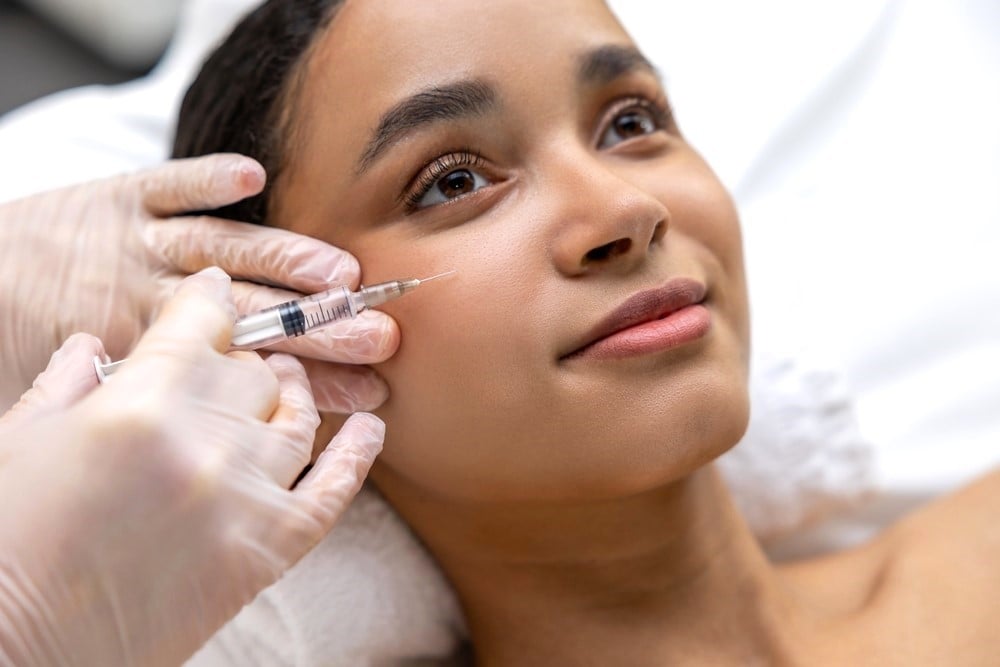
Facial aesthetics have become a popular way to enhance natural beauty, and non-surgical treatments are leading the trend. Among these, Dermal Filler Injections in Dubai are widely sought after for their ability to restore volume, smooth wrinkles, and rejuvenate the skin. However, safety is a primary concern for anyone considering facial injections. Understanding how these treatments work, their potential risks, and safety measures can help individuals make informed decisions and achieve the best possible results.
Understanding Dermal Filler Injections
Dermal fillers are injectable substances designed to restore facial volume, enhance contours, and reduce the appearance of fine lines and wrinkles. Most fillers are composed of hyaluronic acid, a naturally occurring substance in the skin that retains moisture and adds fullness. Other types of fillers may include poly-L-lactic acid, calcium hydroxylapatite, or polymethylmethacrylate microspheres, each with unique properties and benefits.
How Dermal Fillers Work
The primary purpose of dermal fillers is to replace lost volume and smooth out the skin’s surface. By carefully injecting the product into specific facial areas, it can lift sagging skin, plump hollow cheeks, and reduce smile lines. Over time, some fillers also stimulate natural collagen production, enhancing the skin’s elasticity and overall appearance.
Popular Areas for Facial Fillers
- Cheeks: Adds volume and restores youthful contours
- Lips: Enhances shape and fullness
- Jawline and Chin: Improves definition and symmetry
- Nasolabial Folds and Marionette Lines: Softens deep creases
Assessing the Safety of Dermal Filler Injections
Dermal filler injections are generally considered safe when administered by trained professionals. However, like any medical procedure, they carry potential risks and require careful planning.
Common Side Effects
Most side effects are mild and temporary. They may include:
- Redness or swelling at the injection site
- Minor bruising
- Tenderness or slight discomfort
These reactions usually resolve within a few days to a week and are often considered part of the normal healing process.
Less Common but Serious Risks
While rare, more serious complications can occur if injections are not administered properly. These may include:
- Infection at the injection site
- Allergic reactions to filler ingredients
- Vascular complications, such as blockage of a blood vessel
Ensuring that injections are performed by experienced professionals reduces the likelihood of these risks and ensures proper handling in case of complications.
Factors That Influence Safety
Several factors contribute to the safety and effectiveness of dermal fillers. Understanding these can help minimize risks and achieve optimal results.
Product Quality
Using FDA-approved or medically tested fillers is essential. High-quality products are more predictable and less likely to cause adverse reactions, making them safer for facial use.
Injection Technique
Proper technique is critical for safety. Experienced practitioners know the precise anatomy of facial structures and can inject the filler in the correct layers and amounts to avoid complications.
Patient Health and Skin Condition
Pre-existing medical conditions, allergies, or sensitive skin can influence the safety of dermal fillers. A thorough consultation helps identify potential risks and ensures the treatment is suitable for each individual.
Aftercare Practices
Following recommended aftercare instructions is important to minimize side effects. Common guidance includes avoiding strenuous activities, excessive sun exposure, and massaging the treated area for the first 24–48 hours.
Why Dermal Fillers Are Considered Safe
When all safety measures are followed, dermal fillers are a low-risk, non-surgical solution for facial enhancement. Modern techniques and high-quality products have made these treatments increasingly predictable and effective. Additionally, hyaluronic acid fillers can often be reversed using an enzyme called hyaluronidase if results are unsatisfactory or complications arise.
Long-Term Safety Considerations
Repeated treatments over time are generally well-tolerated. The body gradually metabolizes the filler, and new treatments can be scheduled to maintain results. Regular check-ins and following expert guidance further ensure safety and satisfaction.
Making an Informed Decision
Choosing dermal fillers requires understanding both benefits and potential risks. Researching treatment options, consulting with experienced professionals, and asking questions about products and techniques can help individuals make informed choices. Being aware of what to expect before, during, and after the procedure reduces anxiety and enhances the overall experience.
Final Thoughts
Dermal filler injections offer a safe and effective way to restore facial volume, smooth wrinkles, and enhance natural features when administered correctly. By prioritizing high-quality products, proper technique, and careful aftercare, individuals can enjoy noticeable improvements with minimal risks. Awareness of potential side effects, coupled with realistic expectations, ensures that dermal fillers remain a trusted option for non-surgical facial rejuvenation. With informed decisions, these treatments can provide lasting benefits and boost confidence, making them a popular choice for modern facial aesthetics.