
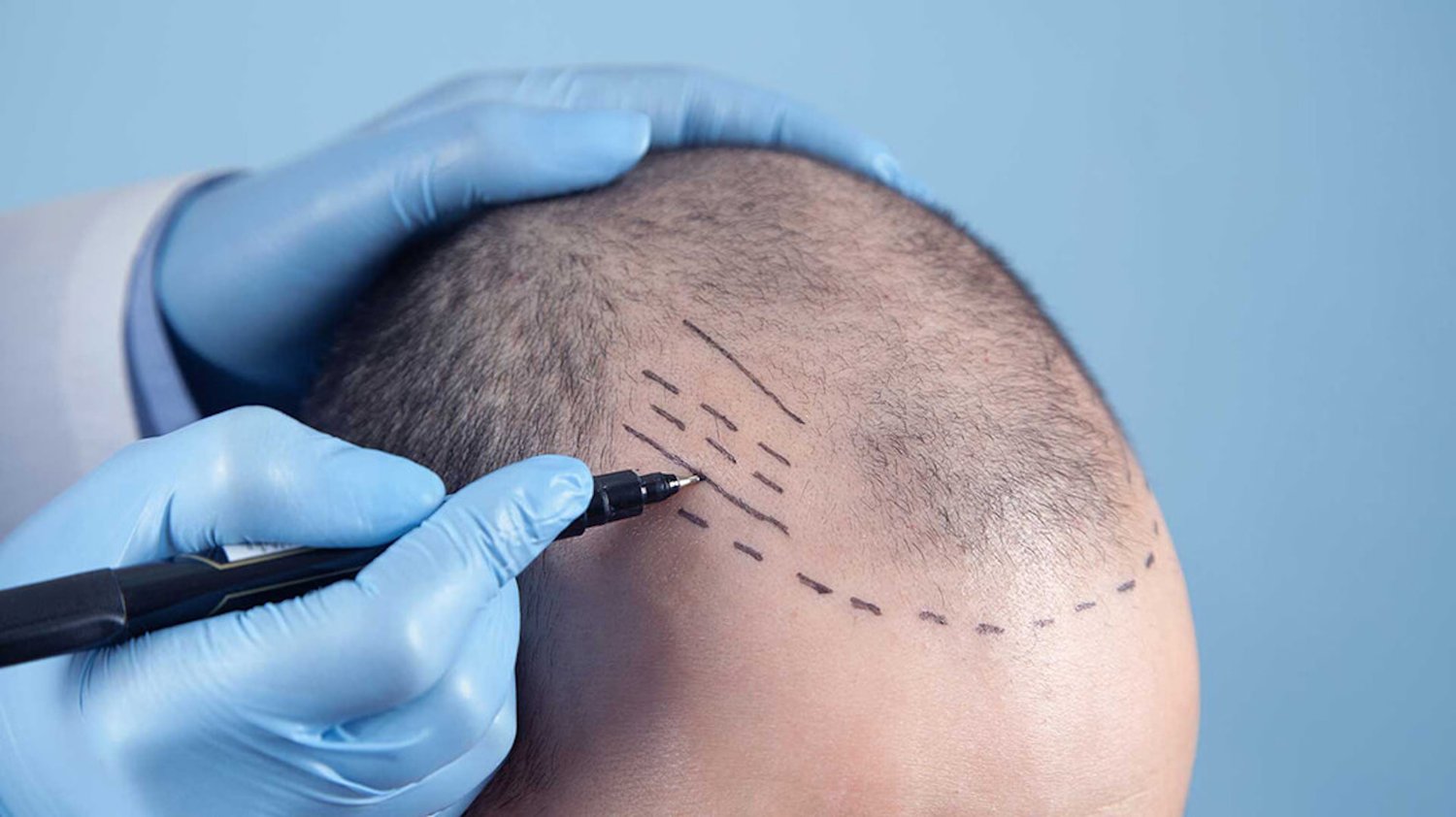
In recent years, hair restoration procedures have evolved significantly, giving people more options to address hair loss. One procedure gaining attention is Body Hair Transplant in Dubai. This method offers a solution for individuals who do not have sufficient scalp donor hair or want to enhance hair density in areas like the beard, chest, or eyebrows. While the results can be remarkable, many people wonder about the safety of this procedure. Let’s explore what makes body hair transplant safe, what to consider, and why it is becoming a trusted option for hair restoration.
Understanding Body Hair Transplant
A body hair transplant is a specialized technique where hair is taken from areas of the body such as the chest, back, or legs and transplanted to regions that require more hair. Unlike traditional scalp hair transplants, this procedure demands precision, as body hair often has different growth patterns, thickness, and texture. Despite these challenges, advancements in technology and technique have made body hair transplants increasingly effective and safe when performed with proper protocols.
Why Body Hair Transplants Are Considered Safe
Minimally Invasive Procedure
One of the reasons body hair transplant is considered safe is that it is a minimally invasive procedure. Modern hair transplant techniques, such as follicular unit extraction (FUE), involve removing individual hair follicles rather than large sections of tissue. This reduces the risk of scarring, infection, and complications that were more common with older methods.
Local Anesthesia for Comfort
Body hair transplants are performed under local anesthesia, which means patients remain awake but comfortable throughout the procedure. Using local anesthesia minimizes risks associated with general anesthesia, such as complications with the heart or lungs, making the procedure safer for most individuals.
Sterile Environment
Maintaining a sterile environment during the transplant is critical for safety. Advanced clinics follow strict hygiene protocols to prevent infection and ensure that the transplanted hair follicles are handled properly. This attention to detail significantly reduces the risk of complications and supports successful outcomes.
Potential Risks and How They Are Managed
While generally safe, like any medical procedure, body hair transplants carry some potential risks. These include temporary swelling, mild discomfort, redness, or minor bleeding at the donor or recipient sites. More rarely, patients may experience infection or folliculitis (inflammation of hair follicles).
These risks are mitigated by proper post-procedure care. Patients are usually given guidelines to keep the transplant sites clean, avoid strenuous activity, and follow a recommended regimen to ensure optimal healing. The careful handling of follicles during extraction and implantation also reduces the likelihood of complications.
Who Can Benefit from Body Hair Transplant?
Body hair transplant is particularly suitable for individuals who have limited scalp donor hair or need hair in areas that require thicker or denser coverage. For example:
- Those seeking beard or mustache enhancement
- Individuals addressing eyebrow thinning
- People with scalp hair loss who require supplemental donor hair
By understanding candidacy and realistic expectations, patients can maximize the benefits of the procedure while minimizing risks.
Tips for Ensuring a Safe Procedure
Research and Preparation
Before undergoing a body hair transplant, it’s important to research the procedure thoroughly. Understanding what the process involves, how long it takes, and the expected recovery timeline helps patients prepare mentally and physically.
Post-Procedure Care
Following post-procedure instructions is crucial. Proper care, including gentle washing, avoiding sun exposure, and adhering to prescribed medications or solutions, ensures that the hair follicles establish themselves successfully.
Monitoring Healing
Monitoring the donor and recipient areas during the initial weeks is essential. Any unusual pain, swelling, or signs of infection should be addressed promptly to prevent complications and safeguard the results.
Long-Term Safety and Results
One of the reassuring aspects of body hair transplant is that, when performed correctly, it offers long-term safety and durability. Transplanted hair continues to grow naturally over time, allowing individuals to enjoy the results for years. Unlike temporary cosmetic treatments, this procedure provides a permanent solution for hair restoration in areas that were previously difficult to treat.
Final Thoughts
The question, “Is body hair transplant safe?” can be confidently answered: yes, when proper protocols, modern techniques, and post-care guidelines are followed. Body Hair Transplant in Dubai offers a minimally invasive, reliable solution for those seeking enhanced hair density in various parts of the body. From its high success rate to the ability to achieve natural-looking results, the procedure has become a popular choice for individuals looking to restore confidence and improve their appearance.
With the right preparation and care, patients can enjoy the transformative benefits of body hair transplant while minimizing risks, making it a safe and effective option for those seeking advanced hair restoration solutions.