
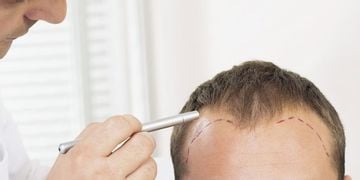
Hair loss affects millions of people worldwide, influencing confidence, self-esteem, and overall appearance. Among the most sought-after solutions are hair restoration procedures, with FUE and FUT Transplantation in Dubai gaining significant attention for their effectiveness and minimally invasive nature. However, many wonder whether these procedures are suitable for everyone. While hair transplantation offers remarkable results, several factors determine candidacy, making it essential to understand the nuances before considering treatment.
Understanding FUE and FUT Hair Transplants
Before assessing suitability, it’s important to know what these procedures involve.
Follicular Unit Extraction (FUE)
FUE is a minimally invasive method where individual hair follicles are extracted from the donor area, typically the back or sides of the scalp, and transplanted to areas experiencing hair loss. Benefits of FUE include:
- Minimal scarring
- Faster recovery
- Natural-looking results
- Ability to target small areas
Follicular Unit Transplantation (FUT)
FUT, also known as the strip method, involves removing a thin strip of scalp from the donor area. Follicular units are then dissected from this strip and transplanted to thinning areas. Advantages include:
- Suitable for larger transplant sessions
- High follicle survival rate
- Effective for extensive hair loss
Both techniques aim to restore natural hair density, but the choice between FUE and FUT depends on individual circumstances.
Who Is a Good Candidate for Hair Transplantation?
While hair transplants have become highly popular, not everyone is an ideal candidate. Several factors influence suitability:
1. Type and Pattern of Hair Loss
Candidates with androgenetic alopecia (pattern baldness) tend to achieve the best results. Individuals with diffuse thinning, scarring alopecia, or hair loss due to medical conditions may require specialized evaluation to determine transplant feasibility.
2. Donor Hair Availability
A successful hair transplant relies on healthy donor hair, usually located at the back and sides of the scalp. People with limited donor hair may not be suitable for large sessions, though smaller targeted transplants may still be possible.
3. Age and Hair Loss Stability
Candidates should ideally have stabilized hair loss patterns. Transplanting too early, when hair loss is ongoing, can lead to inconsistent results as untreated areas may continue to thin. Age also plays a role, as younger patients might experience progressive loss that requires future procedures.
4. Hair Characteristics
The thickness, color, and texture of hair affect transplant outcomes. Coarse or curly hair tends to provide better coverage than fine, straight hair, while hair color contrast between scalp and hair can influence the visual density.
When Hair Transplantation May Not Be Suitable
Certain situations may make FUE or FUT less effective or inappropriate:
- Active scalp infections or inflammatory conditions
- Medical conditions that affect healing, such as uncontrolled diabetes
- Insufficient donor hair
- Unrealistic expectations regarding results
Patients in these categories may benefit from alternative treatments, including medical therapy, scalp micropigmentation, or combination approaches that complement transplantation.
Advantages of FUE for Suitable Candidates
FUE has become increasingly popular due to its minimally invasive nature. For those who qualify, benefits include:
- Reduced recovery time
- Less noticeable scarring
- Flexibility to wear shorter hairstyles
- Gradual and natural hair growth patterns
FUE is particularly suitable for patients seeking targeted corrections, smaller transplant sessions, or those who prefer minimal downtime.
Combining FUE and FUT Techniques
In some cases, a combination of FUE and FUT may be recommended. This hybrid approach can maximize donor hair utilization while achieving optimal coverage. It is often used for patients requiring extensive restoration or those who want to preserve donor area density for potential future procedures.
Post-Transplant Considerations
Successful outcomes rely on more than just the procedure itself. Post-transplant care is crucial:
- Avoiding strenuous activity for the initial days
- Following prescribed hair care routines
- Protecting the scalp from sun exposure
- Regular follow-ups to monitor hair growth
Patients must also maintain realistic expectations, as full results may take several months to become visible.
Final Thoughts
While hair transplantation, including FUE and FUT, offers transformative results, it is not universally suitable. Factors such as hair loss type, donor availability, age, and overall health play a crucial role in determining candidacy. For individuals considering restoration, personalized evaluation is essential to ensure safe and effective outcomes. For those exploring options, FUE and FUT Transplantation in Dubai provides a tailored, evidence-based approach that can help achieve natural, lasting hair restoration while considering individual limitations and goals.