
ARE YOU A POET?
April is poetry month.....
Teaching children about poetry—and guiding them to write their own—is far more than a niche literary exercise. It plays a powerful role in their emotional, cognitive, and social development. Poetry invites children into a world where language is not just functional, but expressive, playful, and deeply human. When children engage with poetry early on, they gain tools that help them understand themselves, connect with others, and think creatively in ways that extend far beyond the classroom.
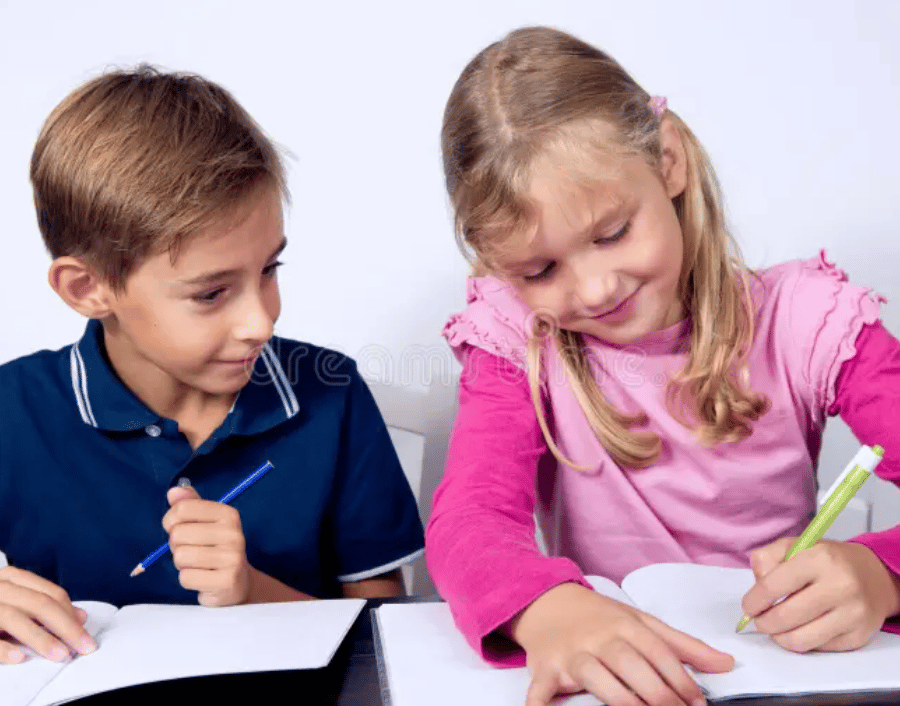
One of the most important reasons to teach poetry to children is that it strengthens their relationship with language. Unlike straightforward prose, poetry often bends rules, experiments with rhythm, and uses imagery to communicate meaning. This encourages children to see language as flexible and alive. They begin to notice sounds, patterns, and word choices more carefully. For example, rhymes and rhythms help develop phonemic awareness, which is a key skill in learning to read. Repetition and structure also make poetry memorable, allowing children to internalize vocabulary and sentence patterns in a natural and enjoyable way.
Beyond technical language skills, poetry fosters emotional intelligence. Children often experience strong emotions but may not yet have the vocabulary or confidence to express them. Poetry provides a safe and creative outlet for these feelings. Whether it’s writing about a happy memory, a fear, or something confusing, poetry allows children to process their emotions in a constructive way. Reading poems by others also helps them recognize that their feelings are shared—that others have felt joy, sadness, anger, and wonder too. This builds empathy and self-awareness, both of which are essential life skills.
Poetry also nurtures creativity and imagination. In a world where many academic subjects emphasize correct answers and standardized outcomes, poetry offers freedom. There is no single “right” way to write a poem. Children can experiment with metaphors, invent new words, or describe ordinary things in extraordinary ways. This kind of creative thinking is not only valuable in the arts but is increasingly recognized as crucial in problem-solving across all fields. When children learn to think metaphorically and symbolically, they become more flexible thinkers who can approach challenges from multiple perspectives.
Another key benefit of teaching poetry is that it helps children develop confidence in their own voice. Writing poetry is a deeply personal act. When children are encouraged to share their poems—whether aloud in class or with family—they learn that their thoughts and perspectives matter. This can be especially powerful for children who may struggle in other academic areas. A child who finds traditional essays difficult might thrive when given the freedom to express themselves through poetry. Over time, this builds self-esteem and a sense of identity.
Poetry also has a unique ability to improve listening and speaking skills. Reading poems aloud requires attention to tone, pacing, and emphasis. Children learn how to use their voices effectively and how to listen carefully to others. Group activities like poetry readings or collaborative writing exercises foster communication and teamwork. These experiences can make language feel social and dynamic, rather than solitary and rigid.
Cultural awareness is another important dimension of poetry education. Poems often reflect the values, traditions, and experiences of different cultures and time periods. By reading a diverse range of poetry, children are exposed to perspectives beyond their own. This not only broadens their understanding of the world but also promotes respect and curiosity about others. At the same time, children can use poetry to explore and celebrate their own cultural backgrounds, creating a sense of pride and belonging.
In addition, poetry can make learning more engaging and enjoyable. Its musical qualities—rhythm, rhyme, and repetition—naturally capture children’s attention. Even reluctant readers are often drawn to the playful and imaginative aspects of poetry. When learning feels fun, children are more likely to stay motivated and develop a lifelong love of reading and writing. This intrinsic motivation is far more powerful than external rewards or pressures.
Teaching children to write poetry also helps them develop critical thinking skills. Crafting a poem involves making choices: selecting the right words, deciding on structure, and considering how the reader will interpret the work. Children learn to revise and refine their ideas, thinking carefully about clarity and impact. Analyzing poems written by others further enhances these skills, as children learn to interpret meaning, identify literary devices, and consider multiple interpretations.
Moreover, poetry can be a valuable tool for resilience. Life inevitably brings challenges, and children need healthy ways to cope. Writing poetry can serve as a form of reflection and healing. It allows children to articulate difficult experiences and find meaning in them. This practice can build emotional strength and adaptability, helping children navigate both small everyday struggles and larger life events.
Importantly, poetry is accessible to all children. It does not require expensive materials or advanced technology—just paper, a pencil, and imagination. It can be adapted for different ages, abilities, and learning styles. For younger children, poetry might involve simple rhymes or drawings paired with words. Older children can experiment with more complex forms and themes. This flexibility makes poetry an inclusive educational tool that can reach a wide range of learners.
Finally, teaching poetry helps preserve an important aspect of human culture. Poetry has been a form of expression for thousands of years, capturing the thoughts, dreams, and histories of people across time. By introducing children to poetry, we connect them to this rich tradition and encourage them to contribute their own voices. In doing so, we ensure that the art of poetry continues to evolve and remain relevant.
FUN TEACHING ABOUT POETRY
Teaching children about poetry—and guiding them to write their own—is far more than a niche literary exercise. It plays a powerful role in their emotional, cognitive, and social development. Poetry invites children into a world where language is not just functional, but expressive, playful, and deeply human. When children engage with poetry early on, they gain tools that help them understand themselves, connect with others, and think creatively in ways that extend far beyond the classroom.
One of the most important reasons to teach poetry to children is that it strengthens their relationship with language. Unlike straightforward prose, poetry often bends rules, experiments with rhythm, and uses imagery to communicate meaning. This encourages children to see language as flexible and alive. They begin to notice sounds, patterns, and word choices more carefully. For example, rhymes and rhythms help develop phonemic awareness, which is a key skill in learning to read. Repetition and structure also make poetry memorable, allowing children to internalize vocabulary and sentence patterns in a natural and enjoyable way.
Beyond technical language skills, poetry fosters emotional intelligence. Children often experience strong emotions but may not yet have the vocabulary or confidence to express them. Poetry provides a safe and creative outlet for these feelings. Whether it’s writing about a happy memory, a fear, or something confusing, poetry allows children to process their emotions in a constructive way. Reading poems by others also helps them recognize that their feelings are shared—that others have felt joy, sadness, anger, and wonder too. This builds empathy and self-awareness, both of which are essential life skills.
Poetry also nurtures creativity and imagination. In a world where many academic subjects emphasize correct answers and standardized outcomes, poetry offers freedom. There is no single “right” way to write a poem. Children can experiment with metaphors, invent new words, or describe ordinary things in extraordinary ways. This kind of creative thinking is not only valuable in the arts but is increasingly recognized as crucial in problem-solving across all fields. When children learn to think metaphorically and symbolically, they become more flexible thinkers who can approach challenges from multiple perspectives.
Another key benefit of teaching poetry is that it helps children develop confidence in their own voice. Writing poetry is a deeply personal act. When children are encouraged to share their poems—whether aloud in class or with family—they learn that their thoughts and perspectives matter. This can be especially powerful for children who may struggle in other academic areas. A child who finds traditional essays difficult might thrive when given the freedom to express themselves through poetry. Over time, this builds self-esteem and a sense of identity.
Poetry also has a unique ability to improve listening and speaking skills. Reading poems aloud requires attention to tone, pacing, and emphasis. Children learn how to use their voices effectively and how to listen carefully to others. Group activities like poetry readings or collaborative writing exercises foster communication and teamwork. These experiences can make language feel social and dynamic, rather than solitary and rigid.
Cultural awareness is another important dimension of poetry education. Poems often reflect the values, traditions, and experiences of different cultures and time periods. By reading a diverse range of poetry, children are exposed to perspectives beyond their own. This not only broadens their understanding of the world but also promotes respect and curiosity about others. At the same time, children can use poetry to explore and celebrate their own cultural backgrounds, creating a sense of pride and belonging.
In addition, poetry can make learning more engaging and enjoyable. Its musical qualities—rhythm, rhyme, and repetition—naturally capture children’s attention. Even reluctant readers are often drawn to the playful and imaginative aspects of poetry. When learning feels fun, children are more likely to stay motivated and develop a lifelong love of reading and writing. This intrinsic motivation is far more powerful than external rewards or pressures.
 .
.
Teaching children to write poetry also helps them develop critical thinking skills. Crafting a poem involves making choices: selecting the right words, deciding on structure, and considering how the reader will interpret the work. Children learn to revise and refine their ideas, thinking carefully about clarity and impact. Analyzing poems written by others further enhances these skills, as children learn to interpret meaning, identify literary devices, and consider multiple interpretations.
Moreover, poetry can be a valuable tool for resilience. Life inevitably brings challenges, and children need healthy ways to cope. Writing poetry can serve as a form of reflection and healing. It allows children to articulate difficult experiences and find meaning in them. This practice can build emotional strength and adaptability, helping children navigate both small everyday struggles and larger life events.
Importantly, poetry is accessible to all children. It does not require expensive materials or advanced technology—just paper, a pencil, and imagination. It can be adapted for different ages, abilities, and learning styles. For younger children, poetry might involve simple rhymes or drawings paired with words. Older children can experiment with more complex forms and themes. This flexibility makes poetry an inclusive educational tool that can reach a wide range of learners.
Finally, teaching poetry helps preserve an important aspect of human culture. Poetry has been a form of expression for thousands of years, capturing the thoughts, dreams, and histories of people across time. By introducing children to poetry, we connect them to this rich tradition and encourage them to contribute their own voices. In doing so, we ensure that the art of poetry continues to evolve and remain relevant.
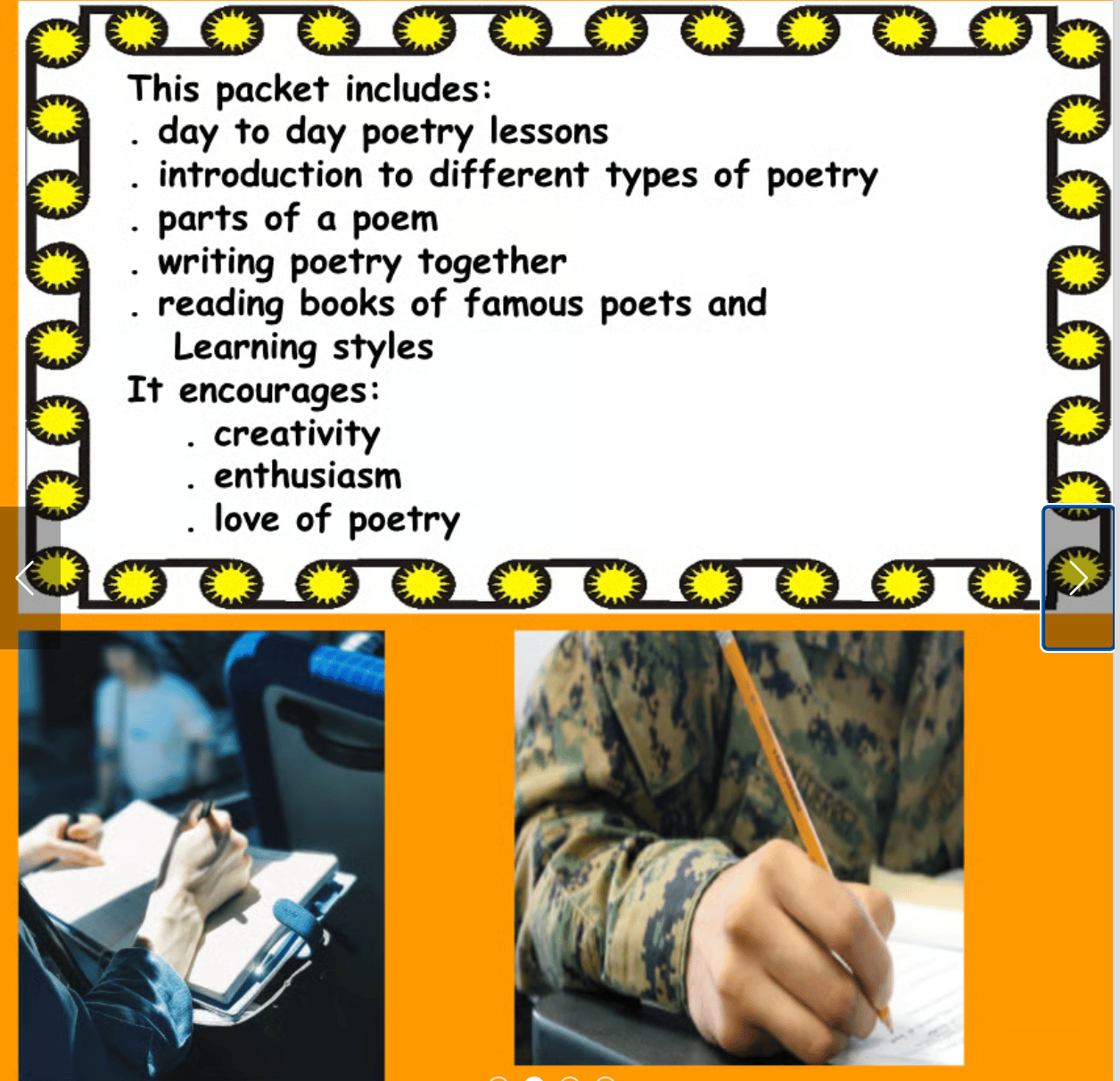
In conclusion, teaching children about poetry and poetry writing is important because it supports their development in multiple, interconnected ways. It enhances language skills, fosters emotional expression, encourages creativity, builds confidence, and promotes cultural understanding. It also makes learning enjoyable and helps children develop critical thinking and resilience. Perhaps most importantly, it gives children a voice—a way to express who they are and how they see the world. In a rapidly changing and often complex world, these skills are not just beneficial; they are essential.
FINAL THOUGHTS
In conclusion, teaching children about poetry and poetry writing is important because it supports their development in multiple, interconnected ways. It enhances language skills, fosters emotional expression, encourages creativity, builds confidence, and promotes cultural understanding. It also makes learning enjoyable and helps children develop critical thinking and resilience. Perhaps most importantly, it gives children a voice—a way to express who they are and how they see the world. In a rapidly changing and often complex world, these skills are not just beneficial; they are essential.
Check out my store, Elly Elementary, and fulfill all your K-5th grade curriculum needs.
Join me on Facebook and Instagram. Let me know if you are looking for anything in particular. (Email: ellyelementary@gmail.com)
Comments ()