


WHEN IS SPRING OVER ALREADY?!
I don't know about you, but I have had more than enough of this winter. Just want to look out and see the actual road for a change and not black snow and broken roadways.
Many people count the days until spring because it represents relief, renewal, and hope after the long stretch of winter.
First, there’s the simple physical reason: winter can feel hard. Cold temperatures, icy roads, heavy coats, shorter daylight hours, and being indoors more often can take a toll. In many places, winter means gray skies and limited sunshine. Spring brings longer days, warmer temperatures, blooming flowers, and the ability to spend more time outside. Just knowing that sunshine and fresh air are coming gives people something positive to look forward to.
There’s also a biological reason. During winter, reduced sunlight can affect mood and energy levels. Some people experience seasonal mood changes because their bodies respond to less daylight. As spring approaches and days get longer, our bodies naturally adjust—many people feel more energized, motivated, and optimistic. So counting down to spring is often tied to anticipating that emotional lift.
Spring is strongly connected to the idea of new beginnings. Nature visibly “wakes up.” Trees bud, flowers bloom, birds return, and baby animals are born. After months of dormancy, the world looks alive again. That visual transformation can feel symbolic. People associate spring with fresh starts—cleaning out closets, setting new goals, planting gardens, or simply resetting routines. It feels like a second New Year.
There’s also a social and lifestyle factor. Spring often means:
- Outdoor activities
- Sports seasons starting
- School events like field days
- Gardening and home projects
- Holidays and celebrations
After months of bundling up and staying inside, people crave connection and activity. Warmer weather makes it easier to gather with friends and family.
For many, counting down to spring is also about hope during a tough season. Winter can feel long—especially in regions with snow and freezing temperatures. Looking ahead to spring helps people stay positive. It gives them something to anticipate. Humans naturally look forward to milestones, whether it’s a vacation, a birthday, or a change of season. Spring is one of those universal milestones.
Finally, there’s a psychological element: we respond to visible change. Spring is dramatic and noticeable. You can literally see and feel it arriving. That transformation makes the wait feel meaningful.
In short, people count the days until spring because it promises:
- Warmer weather
- More sunlight
- Outdoor freedom
- Emotional renewal
- Visible growth and beauty
- A sense of fresh beginnings
It’s less about the date on the calendar and more about what spring represents—hope after hardship and light after darkness.
Learning in Spring
Here’s a well-rounded list of spring holidays that are meaningful, engaging, and age-appropriate to teach children about—especially for elementary grades like the ones you create resources for, Elaine 🌸
🌼 March Holidays
St. Patrick's Day – March 17
- Irish heritage and traditions
- Symbols (shamrocks, leprechauns, rainbows)
- Acts of kindness and community spirit
 .
.
Women's History Month – All of March
- Celebrating contributions of women
- Research projects on inspiring women
- Interviewing a woman in students’ lives
Holi – Dates vary (March)
- Hindu Festival of Colors
- Themes of spring, joy, and new beginnings
- Cultural traditions in India and around the world
🌷 April Holidays
Easter – March/April (varies)
- Christian celebration of resurrection
- Spring symbols (eggs, chicks, flowers)
- Traditions around the world
Passover – March/April (varies)
- Jewish holiday celebrating freedom
- Traditions like the Seder meal
- Themes of hope and liberation
Earth Day – April 22
- Environmental awareness
- Recycling, conservation, protecting animals
- Great for science integration
Ramadan – Dates vary
- Islamic month of fasting and reflection
- Emphasis on kindness, charity, and gratitude
- Cultural understanding and respect
🌸 May Holidays
Cinco de Mayo – May 5
- Mexican culture and traditions
- Music, food, and history
- Importance of accurate cultural teaching
Mother's Day – Second Sunday in May
- Appreciating caregivers
- Writing projects and crafts
- Inclusive discussions about families
Memorial Day – Last Monday in May
- Honoring those who served in the military
- Patriotism and remembrance
- Community connections
🌞 Other Spring Celebrations to Consider
- First Day of Spring (Spring Equinox)
- National Poetry Month (April)
- Arbor Day
- Asian American & Pacific Islander Heritage Month (May)
- Teacher Appreciation Week
Spring is a season filled with renewal, growth, and fresh beginnings—making it one of the most inspiring times of year for teaching. As the weather warms and the days grow longer, students feel a natural shift in energy and curiosity. Bringing spring themes into the classroom allows teachers to harness that excitement and transform it into meaningful learning experiences. From science and literacy to math and social studies, spring provides countless opportunities for cross-curricular connections that are both engaging and educational.
One of the most popular spring themes is growth and life cycles. This theme fits perfectly into science lessons. Students can explore the life cycle of plants, butterflies, frogs, and other animals that become more visible in spring. Planting seeds in small cups and observing their growth over time teaches responsibility, patience, and scientific observation skills. Students can keep plant journals, measure growth in centimeters, and record changes using drawings and descriptive writing. This theme naturally integrates literacy and math while reinforcing science standards. For younger elementary students, labeling parts of a plant or sequencing the stages of a butterfly’s life cycle builds vocabulary and comprehension skills.
Another engaging spring theme is weather and seasons. Spring weather can change quickly, offering real-time opportunities to observe clouds, rainfall, wind, and temperature changes. Students can create simple weather charts and track daily conditions. Discussions about why spring brings more rain in some regions can introduce basic climate concepts. Teachers can incorporate nonfiction reading passages about how weather affects plants and animals. Writing assignments might include descriptive paragraphs about a rainy day or creative stories about a spring storm. This theme also encourages students to build background knowledge about seasonal changes and how they impact communities.
Spring is also a wonderful time to explore gardening and environmental awareness. Lessons about caring for the Earth align well with spring themes, especially around Earth Day. Students can learn about recycling, composting, and conserving water. Teachers might introduce concepts such as reducing waste or planting pollinator-friendly flowers. Even simple classroom activities, like starting a small herb garden or discussing how litter affects animals, promote environmental responsibility. Writing persuasive letters about protecting the environment strengthens opinion-writing skills while connecting to real-world issues.
Animals in spring is another theme that captures student interest. Many animals have babies during spring, which makes it a perfect time to discuss habitats, adaptation, and survival. Students can compare different animal life cycles or research how specific animals prepare for warmer weather. Reading fiction and nonfiction texts about farm animals, forest animals, or ocean creatures provides a rich literacy connection. Teachers can incorporate vocabulary development, comprehension questions, and extension activities such as creating animal fact books or presentations.
Spring themes also lend themselves beautifully to poetry and creative writing. The imagery of blooming flowers, sunshine, rainbows, and baby animals inspires descriptive language. Students can write acrostic poems using the word “SPRING,” haiku poems about nature, or short narratives about a day in a garden. Teaching figurative language—such as similes and metaphors—becomes more concrete when students describe flowers as “bright as sunshine” or rain as “soft as a whisper.” Poetry lessons help students express emotion and develop a deeper appreciation for language.

Holidays and cultural celebrations during spring provide additional teaching opportunities. Teachers may explore traditions connected to Easter, Passover, Ramadan, Holi, or other cultural observances that often occur during the spring months. Discussing these celebrations promotes cultural awareness and respect for diversity. Students can compare how different cultures celebrate renewal and new beginnings. Incorporating crafts, writing reflections, or reading related literature enhances understanding and inclusion in the classroom.
Math instruction can also benefit from spring themes. Word problems involving flowers, gardening supplies, or baby animals make math more relatable. Students can practice addition, subtraction, fractions, or measurement using spring-themed scenarios. For example, counting petals, measuring plant growth, or graphing favorite spring activities builds foundational math skills in an engaging way. Teachers might incorporate hands-on math centers using plastic eggs for counting games or sorting activities based on color and size.
Spring is also a meaningful time to focus on community and service. As the weather improves, classes can participate in neighborhood clean-up projects or school beautification efforts. Lessons about community helpers can tie into discussions about how people work together to care for shared spaces. Students may write thank-you notes to custodians, gardeners, or local volunteers who help maintain parks and public areas. These activities promote social-emotional learning and foster gratitude and responsibility.
Art projects naturally align with spring themes as well. Watercolor paintings of flowers, tissue-paper butterflies, and collaborative murals depicting spring landscapes encourage creativity. Art can be integrated with science by labeling plant parts or illustrating life cycle stages. Craft projects provide opportunities for fine motor skill development and creative expression while reinforcing academic content.
Another powerful spring theme is renewal and goal-setting. Just as nature experiences renewal, students can reflect on their own growth throughout the school year. Teachers might guide students in setting new academic or personal goals for the final months of school. Writing a “spring reflection” allows students to assess their progress and identify areas for improvement. This theme supports social-emotional development and encourages a growth mindset.
Outdoor learning is particularly valuable during spring. If possible, teachers can conduct nature walks, scavenger hunts, or observational drawing sessions outside. Being outdoors stimulates curiosity and enhances engagement. Students may collect natural objects (where appropriate) to classify or use in descriptive writing activities. Observing birds, insects, and budding trees firsthand makes learning memorable and authentic.
For upper elementary grades, spring themes can extend into research projects. Students might investigate how different ecosystems change in spring or how agriculture depends on seasonal cycles. They can explore topics such as pollination, migration, or renewable energy sources like solar power. Integrating technology by creating digital presentations or slide shows strengthens research and communication skills.
Spring themes also create opportunities for collaborative learning. Group projects such as designing a garden plan, creating a class weather station, or producing a spring-themed reader’s theater encourage teamwork. These cooperative activities help students build communication and problem-solving skills while reinforcing academic concepts.
Importantly, spring-themed instruction does not require an entirely new curriculum. Instead, teachers can adapt existing lessons with seasonal connections. A reading comprehension passage can focus on planting season. A math worksheet can include word problems about flowers or rainfall. A writing assignment can center on a spring memory or imagined adventure. Small adjustments can make lessons feel fresh and relevant without requiring extensive preparation.
Incorporating spring themes into teaching benefits both students and educators. The season’s natural sense of renewal provides motivation during a time of year when attention spans may begin to wane. The bright visuals, hands-on activities, and real-world connections help students stay engaged and excited about learning. Spring themes foster curiosity, creativity, and a deeper understanding of the world around them.
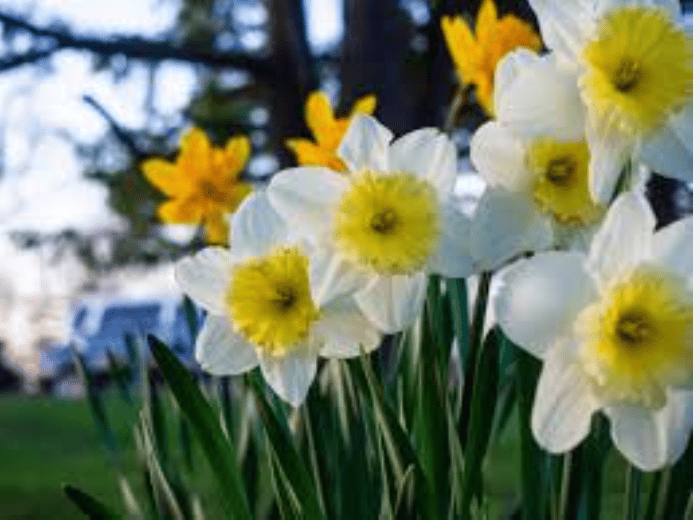
Ultimately, spring represents hope, growth, and possibility. When teachers thoughtfully weave these ideas into classroom instruction, they create an environment that mirrors the beauty and promise of the season itself. By embracing themes of life cycles, weather, environmental care, poetry, cultural celebration, and personal growth, educators can design meaningful experiences that inspire students academically and emotionally. Spring becomes more than just a season—it becomes a powerful framework for joyful, integrated learning.
Check out my store, Elly Elementary, and fulfill all your K-5th grade curriculum needs.
Join me on Facebook and Instagram. Let me know if you are looking for anything in particular. (Email: ellyelementary@gmail.com)
Comments ()