

Fun and Important Holidays to Teach Children About in November
November is a wonderful month to teach children about holidays, traditions, history, gratitude, and the many ways people celebrate around the world. As the leaves change color and the weather grows cooler, families and classrooms can explore meaningful celebrations that encourage kindness, curiosity, creativity, and respect for others. From giving thanks and honoring veterans to learning about Native American heritage and celebrating international traditions, November offers many opportunities to make learning both fun and memorable.
Here are some fun and important November holidays and observances to introduce to children, along with engaging activities to help bring each one to life.
1. Día de los Muertos (Day of the Dead) – November 1–2
Día de los Muertos, or Day of the Dead, is a Mexican holiday that honors loved ones who have died. Although the celebration takes place around the same time as Halloween, it has its own special traditions and meaning. Families may create colorful altars called ofrendas, decorate with marigold flowers, display photographs, prepare favorite foods, and share happy memories of family members.
Children can learn that remembering loved ones can be a joyful way to celebrate their lives and keep family stories alive. Teachers can explain that traditions differ among families and communities, and that this holiday is not simply another version of Halloween.
Fun activity: Invite children to create a memory flower, draw a picture of someone special, or make paper marigolds. Children can also decorate a classroom display with symbols of remembrance, kindness, and family traditions.
2. All Saints’ Day – November 1
All Saints’ Day is a Christian holiday that honors saints and other holy people remembered for their faith, courage, compassion, and service. It is celebrated in many countries around the world, and its traditions vary among Christian communities.
This observance offers children an opportunity to discuss positive character traits and the importance of helping others. Children can learn about people who have made a difference in their communities through generosity, bravery, and kindness.
Fun activity: Ask children to identify someone they admire for doing good things. They can create a “Kindness Hall of Fame” with drawings and short descriptions of people who inspire them, including family members, community helpers, or historical figures.
3. Election Day – The First Tuesday After the First Monday in November
- In the United States, Election Day is an important opportunity to teach children about democracy, voting, and civic responsibility. Federal Election Day falls on the Tuesday after the first Monday in November. Presidential elections occur every four years, while other elections take place in different years.
- Even young children can understand that voting gives people a way to express their opinions and help make group decisions. Lessons about elections can introduce fairness, listening, cooperation, and respect for different viewpoints.
- Fun activity: Hold a classroom election! Let children vote on a read-aloud book, a class game, or a special activity. Create simple ballots, set up a pretend polling station, and count the votes together. Explain that everyone should be treated respectfully, regardless of which choice they support.
4. Veterans Day – November 11
Veterans Day is observed in the United States on November 11 to honor military veterans who have served in the U.S. Armed Forces. It is different from Memorial Day, which honors military personnel who died while serving.
Children can learn about service, sacrifice, courage, and the many ways people contribute to their country. It is also an opportunity to discuss peace and recognize that veterans have different experiences and stories.
Fun activity: Children can make thank-you cards for local veterans, create patriotic artwork, or invite a veteran to speak about their experiences, if appropriate and available. Teachers can also encourage children to think about other community helpers who serve the public.
The most important lesson is to express gratitude respectfully and recognize the contributions of those who serve.
5. World Kindness Day – November 13
World Kindness Day is an international observance that encourages people to practice kindness and make the world a more caring place. It is especially meaningful for children because kindness is something they can practice every day, regardless of their age.
Children can explore how small actions, such as sharing, including someone in a game, helping a classmate, or offering encouraging words, can make a big difference. They can also learn that kindness includes respecting personal boundaries and standing up for others when someone is treated unfairly.
Fun activity: Start a kindness challenge! Invite children to complete one thoughtful action each day. They might write a friendly note, help clean up, thank someone, or invite a new friend to play. Create a paper chain with one link for each act of kindness and watch the chain grow throughout the month.
6. International Day for Tolerance – November 16
The International Day for Tolerance, recognized by the United Nations, encourages understanding and respect among people with different cultures, beliefs, backgrounds, and perspectives.
This day provides a valuable opportunity to teach children that people may look different, speak different languages, celebrate different holidays, or have different opinions while still deserving respect and kindness.'
Children can explore similarities and differences in positive ways. They can discuss how families celebrate special occasions, what foods they enjoy, and which traditions are important to them.
Fun activity: Create a classroom “Our Wonderful Differences” mural. Each child can contribute a drawing of a favorite tradition, food, hobby, or family activity. Discuss how everyone's contribution makes the classroom community richer and more interesting.
7. Thanksgiving – The Fourth Thursday in November
Thanksgiving is a major holiday in the United States, celebrated on the fourth Thursday of November. Many families gather to share a meal, spend time together, and express gratitude for the people and things that matter to them.
Children can learn about gratitude, generosity, family traditions, and helping others. However, it is important to teach Thanksgiving history thoughtfully. The holiday is often connected to a 1621 harvest gathering involving English colonists and Wampanoag people, but the relationship between Native peoples and European settlers was complex and included conflict, displacement, and lasting harm. Native American communities have diverse perspectives on Thanksgiving, and some observe it as a day of mourning.
A balanced lesson can explore the historical event, the experiences of Indigenous peoples, and the ways modern families celebrate or reflect on the holiday.
Fun activity: Have children create gratitude trees using paper leaves. On each leaf, they can write or draw something they appreciate, such as a friend, a favorite activity, a caring adult, or a safe place to learn and play. Families can also prepare a simple meal together or participate in a food drive to help neighbors in need.
8. Native American Heritage Month – All November
November is Native American Heritage Month in the United States. It recognizes the histories, cultures, contributions, and continuing presence of Native American, Alaska Native, and other Indigenous peoples.
Children can learn that Indigenous peoples are not only part of American history but also members of vibrant, diverse communities today. There are many distinct Native nations, each with its own traditions, languages, histories, and perspectives.
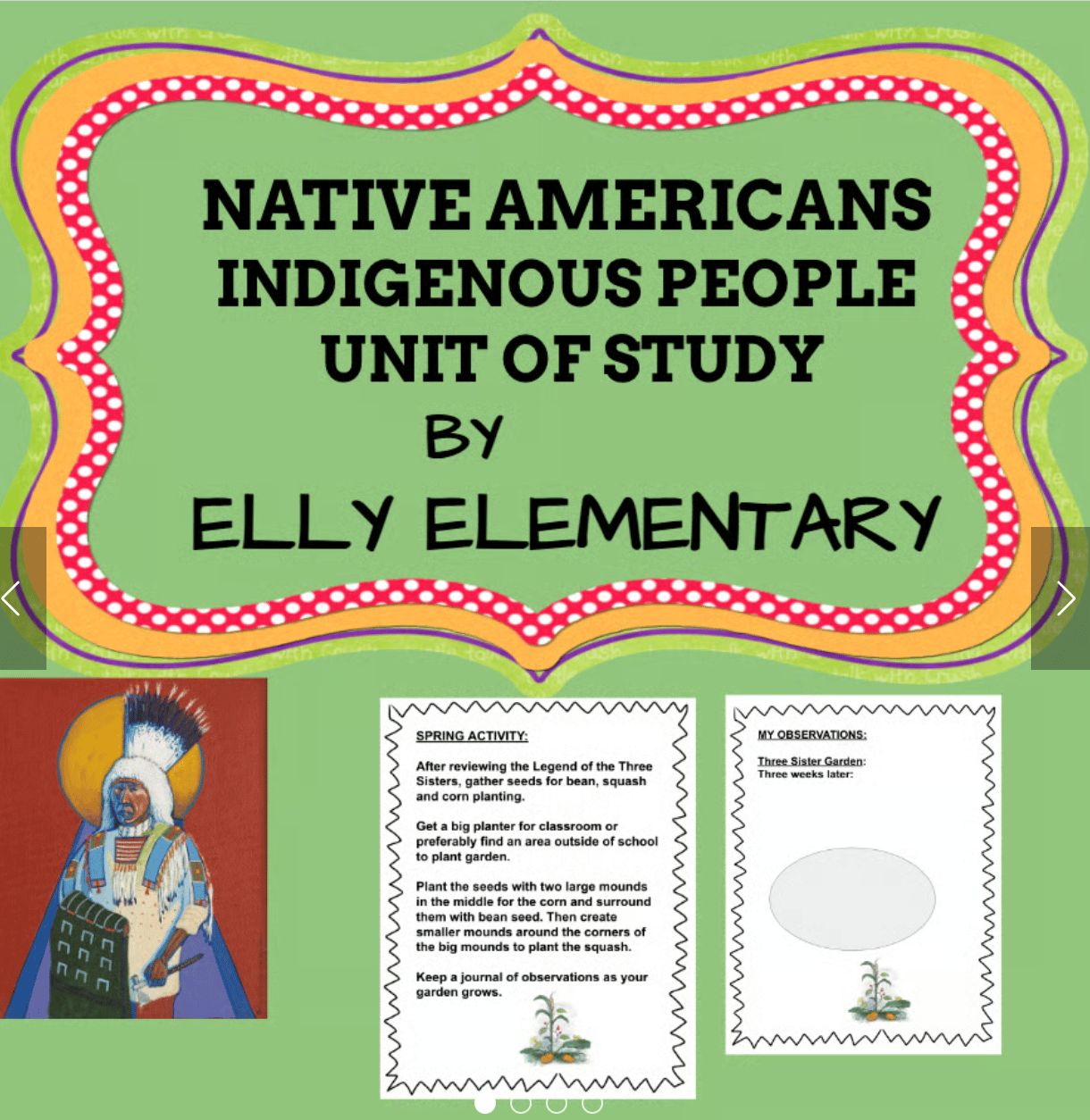
Choose age-appropriate books written or illustrated by Indigenous creators, explore the history of a local Native nation using reliable sources, and introduce children to Indigenous scientists, artists, authors, athletes, and leaders. Avoid treating all Native peoples as if they share one culture or live only in the past.
Fun activity: Read a story by an Indigenous author and discuss its characters, themes, and illustrations. Children can research a Native artist or community leader and create a fact sheet about that person's accomplishments. When possible, learn from resources created by the Native nation being discussed.
9. World Children’s Day – November 20
World Children’s Day is observed annually on November 20. It promotes children's rights, well-being, education, safety, and opportunities to participate in decisions that affect their lives. The date is associated with major United Nations milestones concerning children's rights.
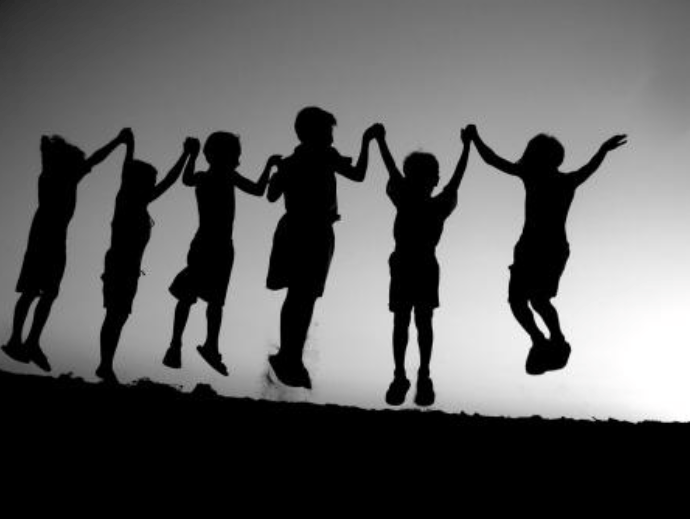
This observance helps children understand that every child deserves care, education, protection, and the opportunity to grow and learn. It also encourages empathy for children whose lives and circumstances may be different from their own.
Fun activity: Ask children to design a “Every Child Deserves” poster. They can illustrate important needs and rights, such as food, shelter, education, play, safety, and love. Older children can brainstorm ways their school or community can help ensure that all children feel included.
10. Giving Tuesday – The Tuesday After Thanksgiving
Giving Tuesday is a global generosity movement that encourages people to support charitable causes and help their communities. It takes place on the Tuesday after Thanksgiving in the United States.
Children can discover that generosity does not always involve money. Giving time, sharing supplies, helping a neighbor, donating gently used books, and expressing appreciation are all meaningful ways to contribute.
Fun activity: Organize a classroom service project. Children might collect nonperishable food, gather new school supplies, make cards for residents of a care home, or choose a local cause to support with their families. Explain the purpose of the project and make sure donations are handled respectfully.
Making November Meaningful for Children
November's holidays and observances offer much more than opportunities for crafts and classroom celebrations. They can help children develop empathy, learn about history, appreciate different cultures, and understand their role in building a caring community.
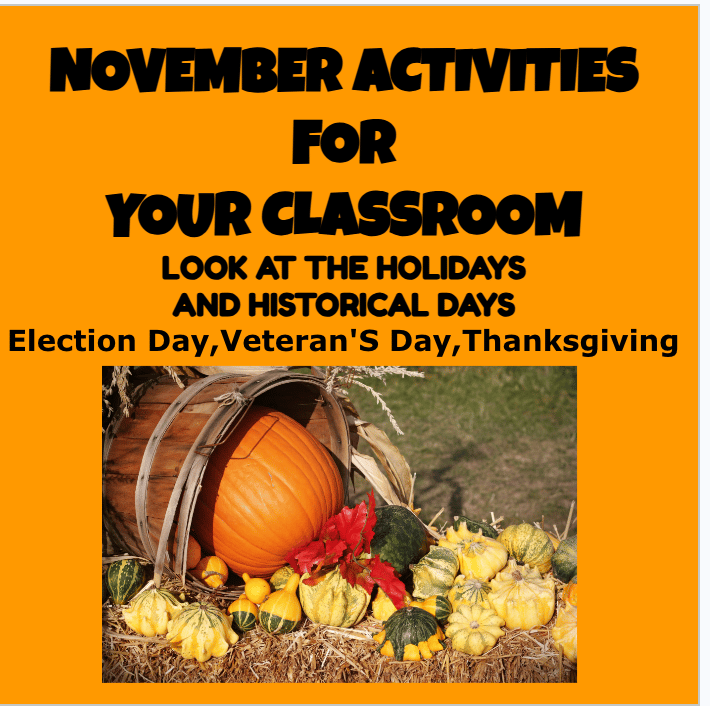
The best approach is to make learning interactive. Read stories, invite thoughtful questions, try age-appropriate activities, explore maps and photographs, and encourage children to share their own family traditions when they feel comfortable doing so. Not every holiday needs to be celebrated in the same way, and children should learn that people may observe different traditions or choose not to celebrate a particular occasion.
By exploring gratitude, service, cultural heritage, children's rights, and kindness throughout November, adults can help children discover that holidays are not just dates on a calendar. They are opportunities to connect with others, learn from the past, celebrate meaningful traditions, and make the world a little better.
Whether children are planting the seeds of kindness, learning about veterans, creating gratitude trees, or discovering the stories of Indigenous communities, November can become a month filled with curiosity, compassion, and meaningful memories.
Check out my store, Elly Elementary, and fulfill all your K-5th grade curriculum needs.
Join me on Facebook and Instagram. Let me know if you are looking for anything in particular. (Email: ellyelementary@gmail.com)
Comments ()