
January is sometimes a dull month after all the holiday excitement. What do you remember learning about in January to enjoy it more?
Why January Holidays Matter
January holidays help children understand that the new year is not just about turning a page on the calendar—it is about growth, reflection, and learning from the past. These holidays teach values like fairness, respect, hope, and responsibility. By learning about January celebrations, children gain a better understanding of the world and their place in it.
Holidays and Special Days in January
January is the first month of the year, and it is a time for new beginnings, fresh starts, and learning about important holidays and traditions from around the world. Even though January may seem quieter after the busy celebrations of December, it is filled with meaningful holidays that help children understand history, culture, kindness, and goal-setting.
New Year’s Day (January 1)
The most well-known holiday in January is New Year’s Day, celebrated on January 1. This holiday marks the start of a brand-new year. People all over the world celebrate New Year’s Day, though they may do so in different ways. Some families stay up late on New Year’s Eve to watch the clock strike midnight, while others celebrate with special meals, fireworks, music, or time together.
New Year’s Day is a great time to teach children about setting goals and making positive choices. Many people make “New Year’s resolutions,” which are promises they make to themselves to try something new or improve a habit. Children can set simple goals, such as reading more books, being kinder to others, or trying their best in school. This holiday teaches that everyone gets a fresh start and a chance to grow.
Three Kings Day / Epiphany (January 6)
Three Kings Day, also called Epiphany, is celebrated on January 6 in many countries, especially in parts of Europe, Latin America, and the Caribbean. This holiday comes from the Christian tradition and remembers the story of the Three Wise Men, or Magi, who traveled to visit baby Jesus and brought gifts of gold, frankincense, and myrrh.
In many cultures, Three Kings Day is a day of joy and sharing. Children may receive small gifts, enjoy special cakes, or take part in parades. In classrooms, this holiday can be used to teach about traditions around the world, storytelling, and how different cultures celebrate the same story in unique ways.
Orthodox Christmas (January 7)
Some Christian families celebrate Orthodox Christmas on January 7 instead of December 25. This is because Orthodox churches follow a different calendar called the Julian calendar. Countries such as Russia, Greece, Serbia, and Ethiopia observe Christmas on this day.
Teaching about Orthodox Christmas helps children understand that not everyone celebrates holidays on the same date, and that traditions can vary depending on culture, history, and beliefs. It is also a good opportunity to discuss respect for differences and learning about people from around the world.
Martin Luther King Jr. Day (Third Monday in January)
One of the most important holidays in January in the United States is Martin Luther King Jr. Day, celebrated on the third Monday of the month. This holiday honors Dr. Martin Luther King Jr., a civil rights leader who worked to make the United States a fairer place for everyone.
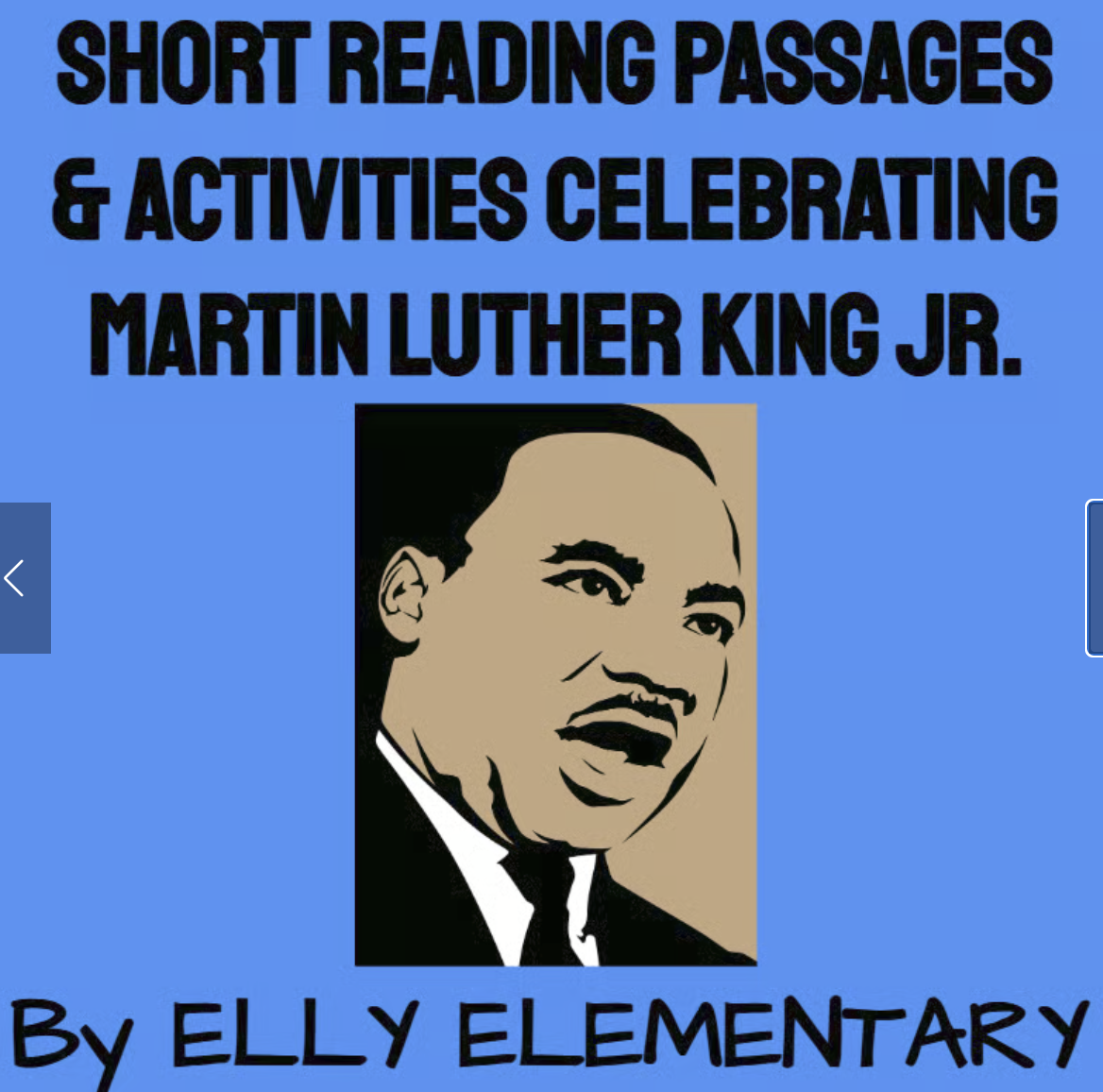
Dr. King believed in peace, equality, and kindness. He taught that people should be judged by their character, not by how they look. On this day, students learn about his life, listen to parts of his famous speeches, and talk about how they can help others and stand up for what is right. Many people also use this day as a “day of service,” helping their communities through acts of kindness.
Lunar New Year (Late January or Early February)
The Lunar New Year is an important celebration for many cultures, including Chinese, Korean, Vietnamese, and other Asian communities. The date changes each year because it follows the lunar calendar, and it often begins in late January.
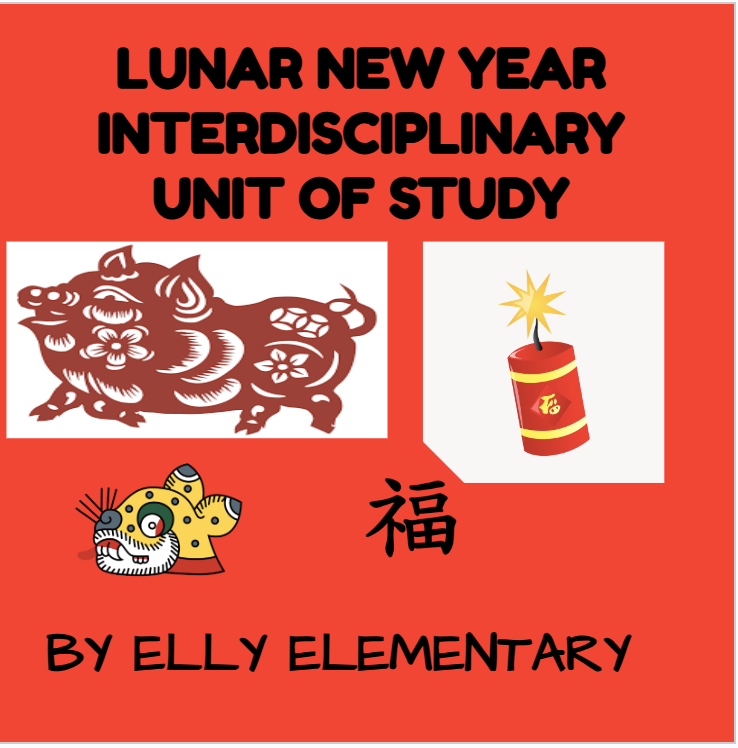
Lunar New Year celebrations may last for several days and include family gatherings, special foods, colorful decorations, music, and dragon or lion dances. Each year is associated with an animal from the zodiac, such as the dragon, rabbit, or tiger. Teaching about Lunar New Year helps children learn about cultural traditions, calendars, and symbols from around the world.
Australia Day, celebrated on January 26, is a national holiday in Australia. It marks the arrival of the first British ships in Australia in 1788. While it is a day of celebration for many Australians, it is also a time to recognize and respect the history and culture of Indigenous Aboriginal and Torres Strait Islander peoples.
In classrooms, Australia Day can be used to talk about geography, national symbols, and the importance of learning history from different perspectives. It helps students understand that holidays can have different meanings for different people.
 .
.
Fun Classroom Connections
January holidays are perfect for classroom activities. Teachers can encourage students to:
- Write about their goals for the new year
- Learn about leaders who made positive changes
- Explore maps and cultures from around the world
- Practice kindness and community service
- Compare traditions from different countries
January reminds us that even in the coldest month, there are warm lessons about kindness, courage, and new beginnings.
Check out my store, Elly Elementary, and get ready for the new year for all your K-5th grade curriculum needs.
Join me on Facebook and Instagram. Let me know if you are looking for anything in particular. (Email: ellyelementary@gmail.com)
Comments ()