

What holiday do you celebrate in December?
Celebrating the Three Holidays of December: Hanukkah, Christmas, and Kwanzaa
December is a special month for people all around the world because it includes several meaningful holidays that celebrate faith, family, generosity, culture, and hope. In the United States, three holidays commonly recognized during this time are Hanukkah, Christmas, and Kwanzaa. While each holiday comes from a different history and tradition, they all share common themes of togetherness, light, and kindness. Learning about these holidays helps us appreciate the diverse ways families celebrate and honor what matters most to them.
Hanukkah: The Festival of Lights
Hanukkah, also spelled Chanukah, is a Jewish holiday that usually falls in late November or December and lasts for eight nights. It is known as the Festival of Lights and remembers an important moment in Jewish history that took place over 2,000 years ago.
During this time, the Jewish people fought to protect their freedom to practice their religion. After their victory, they returned to their holy temple and found only a small amount of oil for the temple lamp—just enough to last one day. Miraculously, the oil burned for eight days, long enough to prepare more. This miracle is what Hanukkah celebrates.
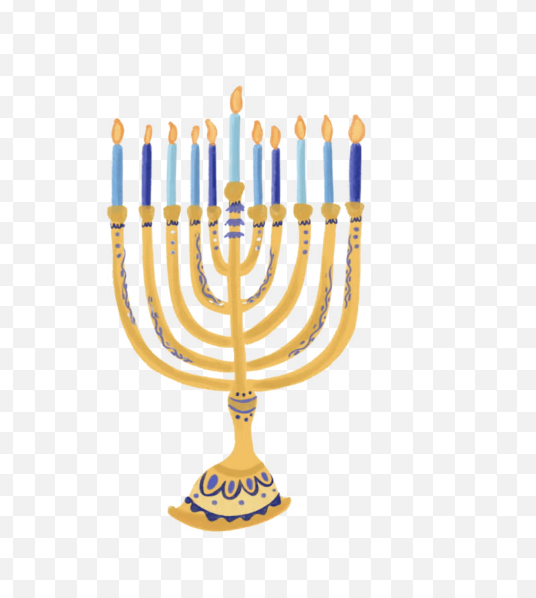
Families observe Hanukkah by lighting a special candleholder called a menorah. Each night, one candle is added until all eight candles are lit, along with a helper candle called the shamash. Songs and blessings are shared as the candles glow, reminding families of the light of hope and faith.
Food plays a delicious role in the celebration. Many traditional Hanukkah foods are fried in oil to represent the miracle of the oil lasting eight days. Favorites include latkes (potato pancakes) and sufganiyot (jelly-filled doughnuts).
Children often play a game with a spinning top called a dreidel, which has Hebrew letters on each side representing the phrase “A Great Miracle Happened There.” Gifts or chocolate coins known as gelt may be given, especially to children.
Hanukkah focuses on remembrance, perseverance, and the importance of keeping traditions alive even in difficult times. It encourages families to reflect on strength, faith, and the power of light over darkness.
Christmas: Celebrating the Birth of Jesus
Christmas is celebrated on December 25 and is a Christian holiday honoring the birth of Jesus Christ, who Christians believe is the Son of God and a symbol of love, peace, and salvation.
Christmas traditions are often rooted in both religious observances and cultural customs. Many families attend church services, read the story of Jesus’ birth, or create nativity scenes showing Mary and Joseph, baby Jesus, shepherds, angels, and the three wise men.
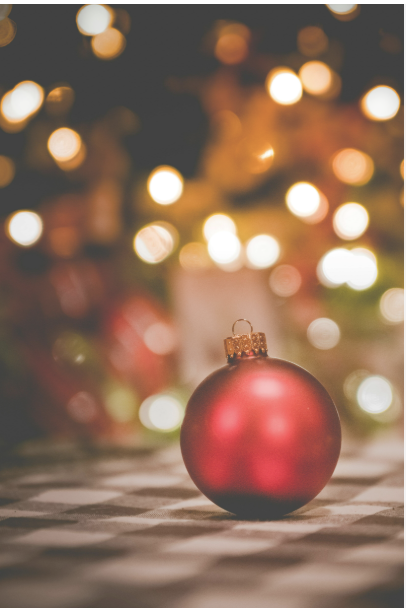
Homes and neighborhoods are often decorated with Christmas trees, lights, wreaths, and ornaments, symbolizing joy and the miracle of light in dark winter months. Families come together to bake cookies, sing carols, and exchange greetings.
One of the most well-known figures of Christmas is Santa Claus, inspired in part by Saint Nicholas, a real historical figure known for his generosity to people in need. Today, children write letters to Santa, leave cookies on Christmas Eve, and wake up excited to open gifts left under the tree.
Gift-giving represents generosity and kindness, reflecting the gifts given to the baby Jesus by the wise men and the idea of sharing love with others. Many families also use Christmas as a time to give back to their communities by donating toys, volunteering at shelters, or helping neighbors.
Food traditions vary by culture but often include shared family meals, holiday desserts, and special seasonal treats. Most importantly, Christmas is a time to gather with loved ones, celebrate peace and goodwill, and express gratitude for the blessings in life.
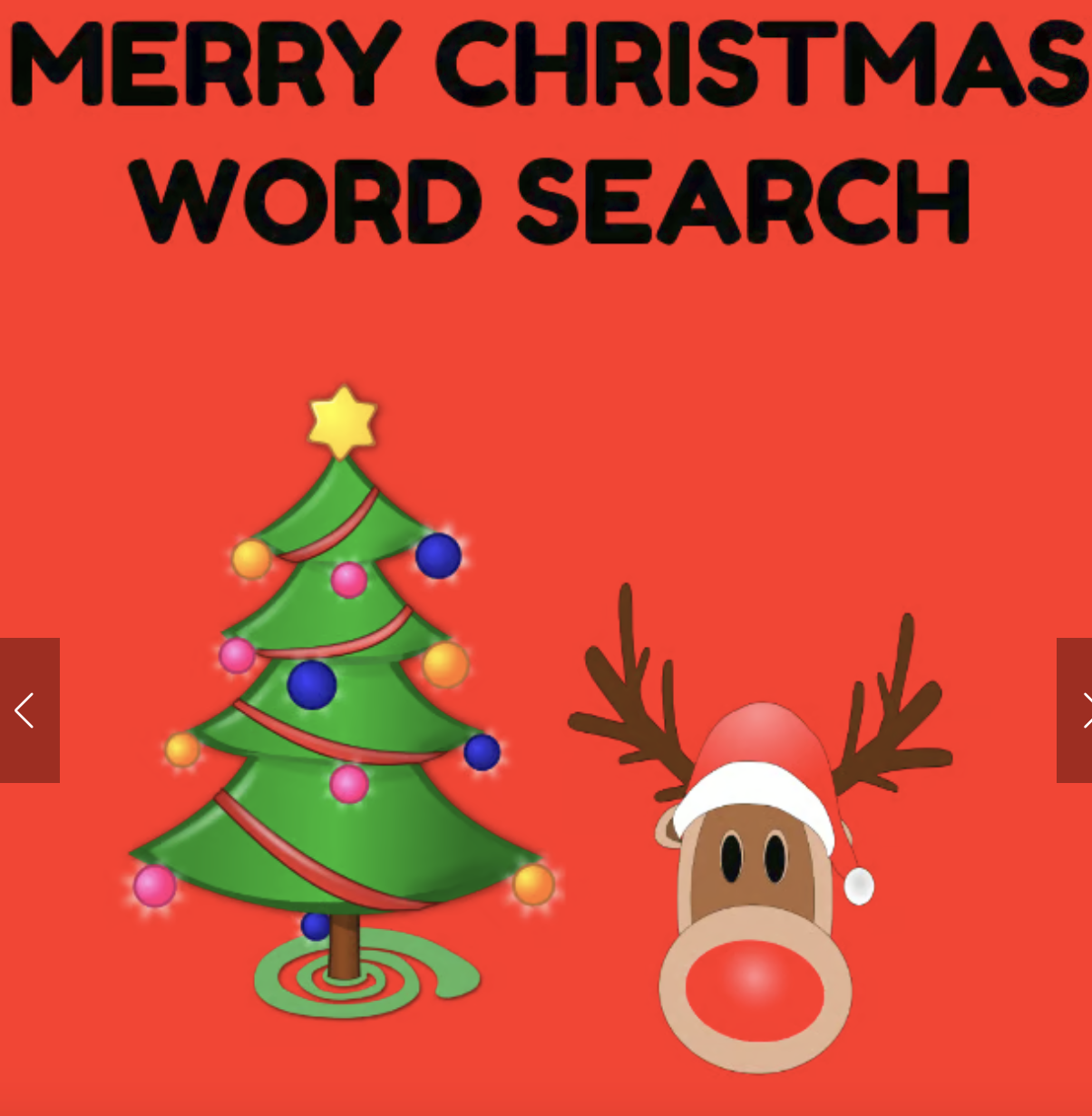
Check out my free word search for Christmas.
Kwanzaa: Honoring African-American Culture
Kwanzaa is a cultural holiday celebrated from December 26 through January 1. It was created in 1966 by Dr. Maulana Karenga to honor African heritage and strengthen community among African-American families.
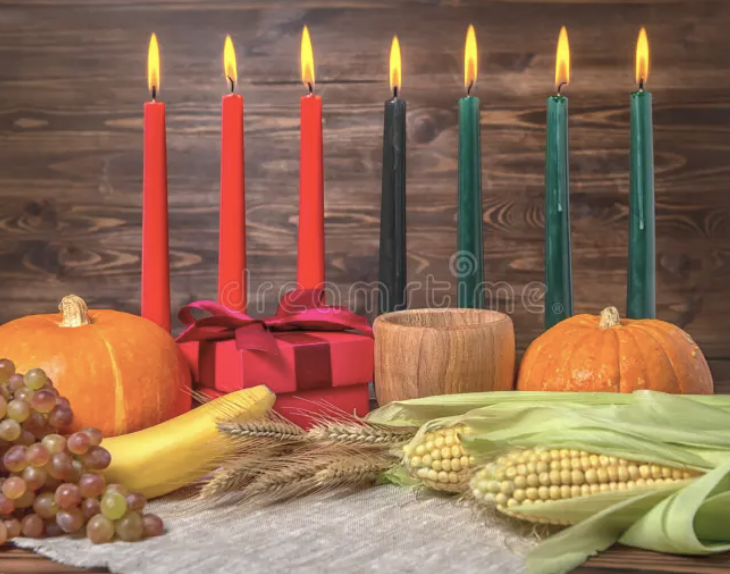
Unlike Hanukkah and Christmas, Kwanzaa is not a religious holiday; instead, it focuses on celebrating culture, values, and unity. Each of the seven days of Kwanzaa highlights one of the Nguzo Saba, or Seven Principles, which provide guidance for living with purpose and pride:
- Umoja (Unity): Being together as families and communities
- Kujichagulia (Self-Determination): Defining ourselves and our goals
- Ujima (Collective Work and Responsibility): Helping others and building community
- Ujamaa (Cooperative Economics): Supporting local businesses
- Nia (Purpose): Working toward collective goals
- Kuumba (Creativity): Celebrating creativity and expression
- Imani (Faith): Believing in ourselves and our people
Families celebrate Kwanzaa by lighting candles on a holder called a kinara. There are seven candles—three red, three green, and one black—each representing the African people and their struggles and hopes. Every night, a family discusses the principle of the day and reflects on ways to practice it.
Homes are decorated with African art, colorful cloths, and symbols such as corn (representing children) and crops (representing shared work). Music, dance, storytelling, poetry, and shared meals are important parts of the celebration, especially the Karamu, or community feast, usually held on December 31.
Kwanzaa emphasizes pride in heritage, community service, and the importance of supporting one another.
Celebrating Together
Although Hanukkah, Christmas, and Kwanzaa come from different histories and traditions, they share powerful similarities. Each holiday centers around family gatherings, reflection, giving, and the symbolism of light during the darkest days of the year. They all encourage values such as kindness, hope, generosity, and unity.
Learning about these celebrations helps build understanding and respect for diverse cultures and beliefs. In classrooms and communities, recognizing all three holidays promotes inclusion and reminds us that no matter how we celebrate, the heart of the season is about connection—to our families, our neighbors, and our shared humanity.
December offers many ways to honor what makes each tradition unique while celebrating the values we all hold in common. Whether lighting a menorah, decorating a Christmas tree, or gathering around a kinara, people across the world come together in the glow of lights and the spirit of peace
Check out my unit of study on all three holidays to give your class and your children an understanding of all: December Multicultural Unit of Study
Check out my store, Elly Elementary, and get ready for the new year for all your K-5th grade curriculum needs.
Join me on Facebook and Instagram. Let me know if you are looking for anything in particular. (Email: ellyelementary@gmail.com)
Comment below with what holiday you celebrate and what is your favorite tradition on that holiday?
Comments ()