
What is a Community?
A community is a group of people who are connected to one another in meaningful ways. These connections may be based on where people live, shared interests, common goals, cultural traditions, beliefs, or experiences. At its core, a community is about belonging, cooperation, and shared responsibility. Communities provide support, identity, and a sense of purpose, helping individuals feel less alone and more connected to the world around them.
A community is not limited to a physical place, although many communities are rooted in geography. People within a community often interact regularly, help one another, follow shared rules or norms, and work together to solve problems. Communities can be large or small, formal or informal, and they can change over time as people move, grow, and adapt. What makes a community strong is not just proximity, but the relationships and trust built among its members.
One of the most common types of communities is a geographic community. This type of community is based on location. Examples include neighborhoods, towns, cities, and rural areas. People in geographic communities may not all know each other personally, but they share the same physical space, local resources, and services such as schools, parks, libraries, and hospitals. Geographic communities often come together for local events, emergencies, or shared concerns, such as improving safety, protecting the environment, or supporting local businesses. Living near one another encourages cooperation and helps people develop a sense of pride and responsibility for where they live.
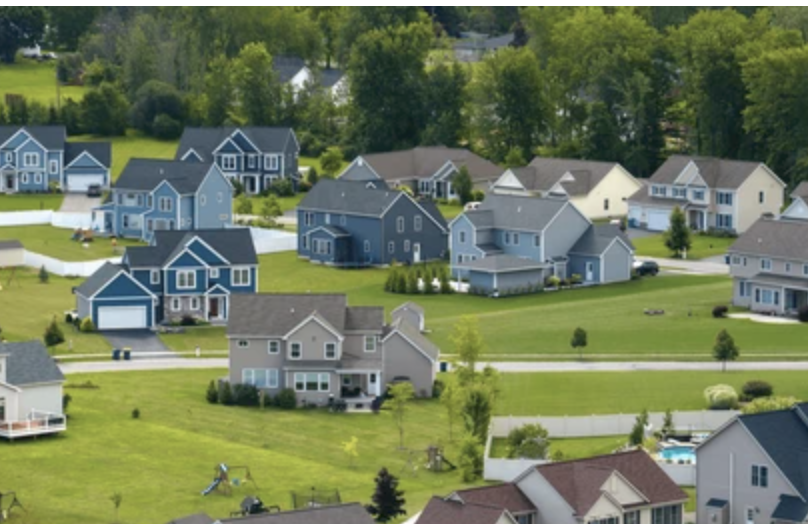
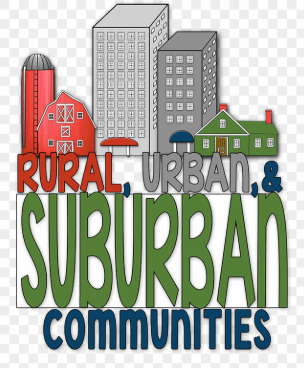
Within geographic communities, people may live in urban, suburban, or rural settings. Urban communities are found in cities and are usually densely populated, with many people living close together. These communities often offer diverse cultures, job opportunities, public transportation, and access to entertainment and services. Suburban communities are typically located just outside cities and may feature neighborhoods with single-family homes, schools, and shopping centers. Rural communities are found in the countryside, with fewer people spread over larger areas. Rural communities often have strong personal connections, as residents may know each other well and rely on one another for support.
Another important type of community is a school community. A school community includes students, teachers, administrators, staff, and families who are connected through education. Schools are more than places of learning; they are environments where people build relationships, develop values, and practice cooperation. School communities often work together to support student success, celebrate achievements, and address challenges. Activities such as sports teams, clubs, performances, and parent-teacher organizations strengthen the sense of belonging within a school community.
A family community is often a person’s first experience of community. Families provide care, guidance, emotional support, and shared traditions. Family communities can be small, such as a household, or large, including extended relatives across generations. Although families may differ in structure and size, they play a key role in teaching individuals how to communicate, resolve conflicts, and care for others. The values learned within a family community often shape how people participate in other communities throughout their lives.
People also belong to cultural communities, which are formed around shared traditions, language, history, customs, or heritage. Cultural communities help preserve identity and pass traditions from one generation to the next. These communities may celebrate holidays, practice traditional foods, music, dance, or storytelling, and maintain shared beliefs or values. Cultural communities can exist within a geographic area or extend across countries and continents, connecting people through shared cultural experiences even when they live far apart.
A religious or faith-based community is another common type of community. These communities are centered around shared spiritual beliefs and practices. Members may gather in places such as churches, synagogues, mosques, temples, or other worship spaces. Faith-based communities often provide moral guidance, emotional support, and opportunities for service. Many also engage in charitable work, helping those in need within the community and beyond. For many people, religious communities offer a strong sense of belonging and purpose.
In today’s world, interest-based communities are increasingly common. These communities form around shared hobbies, interests, or passions, such as sports, music, art, reading, gaming, or volunteering. People in interest-based communities may meet in person or online to share ideas, practice skills, and support one another. These communities allow individuals to connect with others who share their interests, even if they live in different places or come from different backgrounds.
Closely related are online or virtual communities. These communities exist on the internet through social media platforms, forums, video games, or online learning spaces. Virtual communities allow people to connect across distances and time zones, making it possible to form relationships without ever meeting face-to-face. Online communities can provide support, information, friendship, and collaboration. While they may lack physical interaction, strong bonds can still form through regular communication and shared experiences.
A workplace community is formed among people who work together in a job or profession. Workplace communities rely on cooperation, communication, and shared goals to be successful. Colleagues support one another, solve problems together, and contribute to a common mission. Positive workplace communities can improve job satisfaction, productivity, and well-being. Professional communities may also extend beyond a single workplace, connecting people in the same field through networks, organizations, or conferences.
Another important type is a service or civic community, which includes people who come together to improve society. Examples include volunteer groups, neighborhood associations, advocacy organizations, and nonprofit groups. Members of these communities work toward shared goals such as helping the environment, supporting education, providing aid to those in need, or promoting social justice. Civic communities encourage active participation and help individuals feel that their actions can make a difference.
Basically a community is a group of people connected by shared relationships, goals, interests, or experiences. Communities come in many forms—geographic, school, family, cultural, religious, interest-based, online, workplace, and civic—but they all serve an important purpose. They help individuals feel connected, supported, and valued. By participating in communities, people learn cooperation, empathy, and responsibility, strengthening not only their own lives but also the society around them.
What Kind of Community Do You Live In?
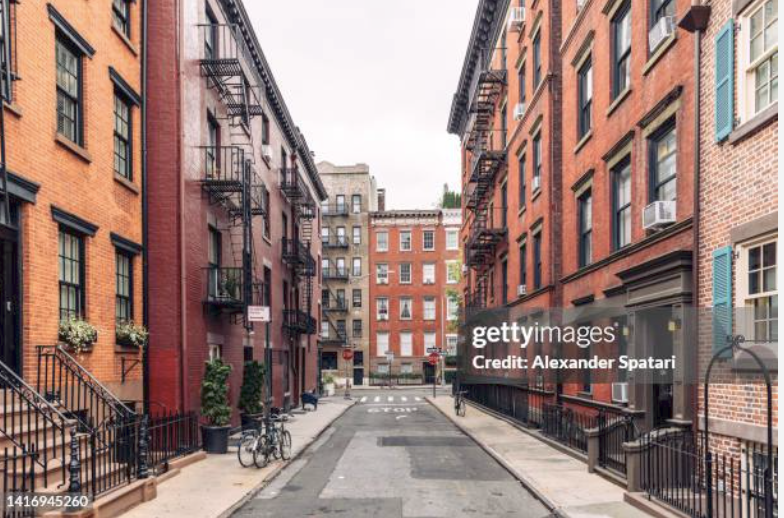
Urban Communities
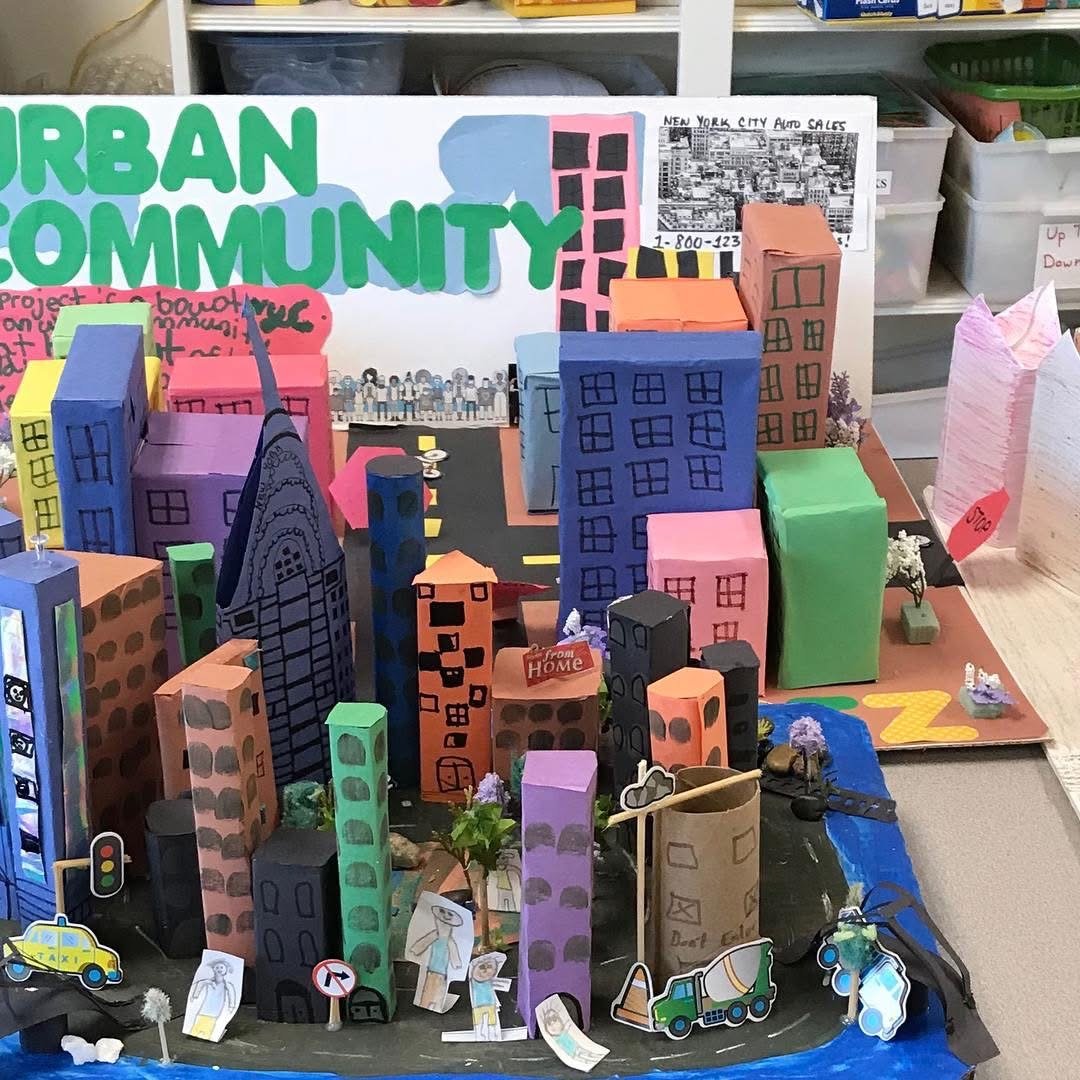
Urban communities are located in cities and are usually densely populated, meaning many people live close together. These areas often include apartment buildings, businesses, schools, hospitals, and public transportation systems. Urban communities are typically diverse, with people from many cultures, backgrounds, and occupations living and working together. Residents often have access to many services, entertainment options, and job opportunities, but may experience challenges such as traffic, noise, and limited personal space.
Suburban Communities
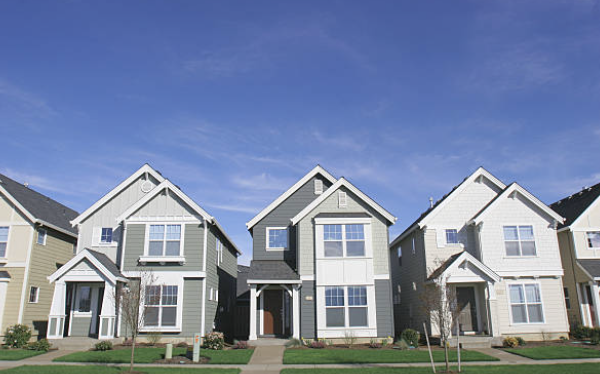
Suburban communities are found on the outskirts of cities and are often made up of neighborhoods with single-family homes, townhouses, and local shopping areas. These communities usually have more space than urban areas and are often designed for families. Suburban communities typically offer schools, parks, and community centers, creating a balance between city access and a quieter lifestyle. Many people who live in suburban areas commute to nearby cities for work.
Rural Communities
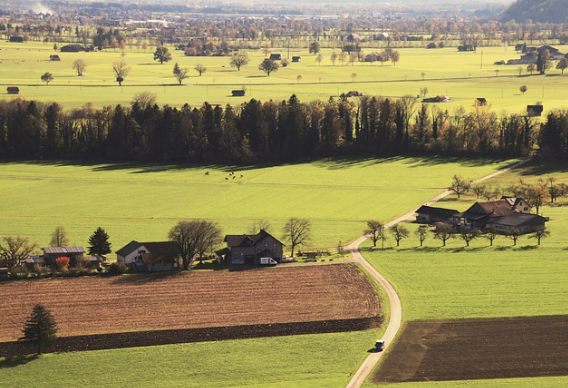
Rural communities are located in the countryside and have fewer people spread over larger areas of land. These communities often include farms, small towns, and open spaces. Residents may rely on agriculture or local businesses for work and often know one another well, creating strong personal connections. While rural communities offer peaceful surroundings and close-knit relationships, they may have fewer services, schools, and job opportunities than urban or suburban areas.
Teaching Children About Communities & Community Helpers
Teaching children about communities helps them understand that they are part of something bigger than themselves. Lessons about communities show children how people live, work, and cooperate together in different places such as neighborhoods, towns, and cities. By learning about communities, children begin to see how rules, shared spaces, and responsibilities help keep people safe and connected. This understanding builds a sense of belonging and encourages children to care about the places where they live and learn.
Learning about community workers helps children recognize the important roles people play in keeping a community running smoothly. Community workers include teachers, firefighters, police officers, doctors, nurses, sanitation workers, librarians, and many others. Teaching children about these roles shows them how each worker contributes in a unique way, whether by educating others, keeping people safe, maintaining public spaces, or providing health care. This knowledge helps children develop respect and appreciation for the people who serve their community every day.
Teaching about communities and community workers also helps children build empathy, responsibility, and citizenship skills. Through stories, role-playing, classroom visitors, and real-world examples, children learn how they can help others and make positive choices. These lessons encourage children to think about how their actions affect the community and how they, too, can be helpers. By understanding communities and the people who support them, children begin to see themselves as active, caring members of society.
A Community Helpers & My Community Project is a great, hands-on way for children to learn about communities while staying engaged and creative.
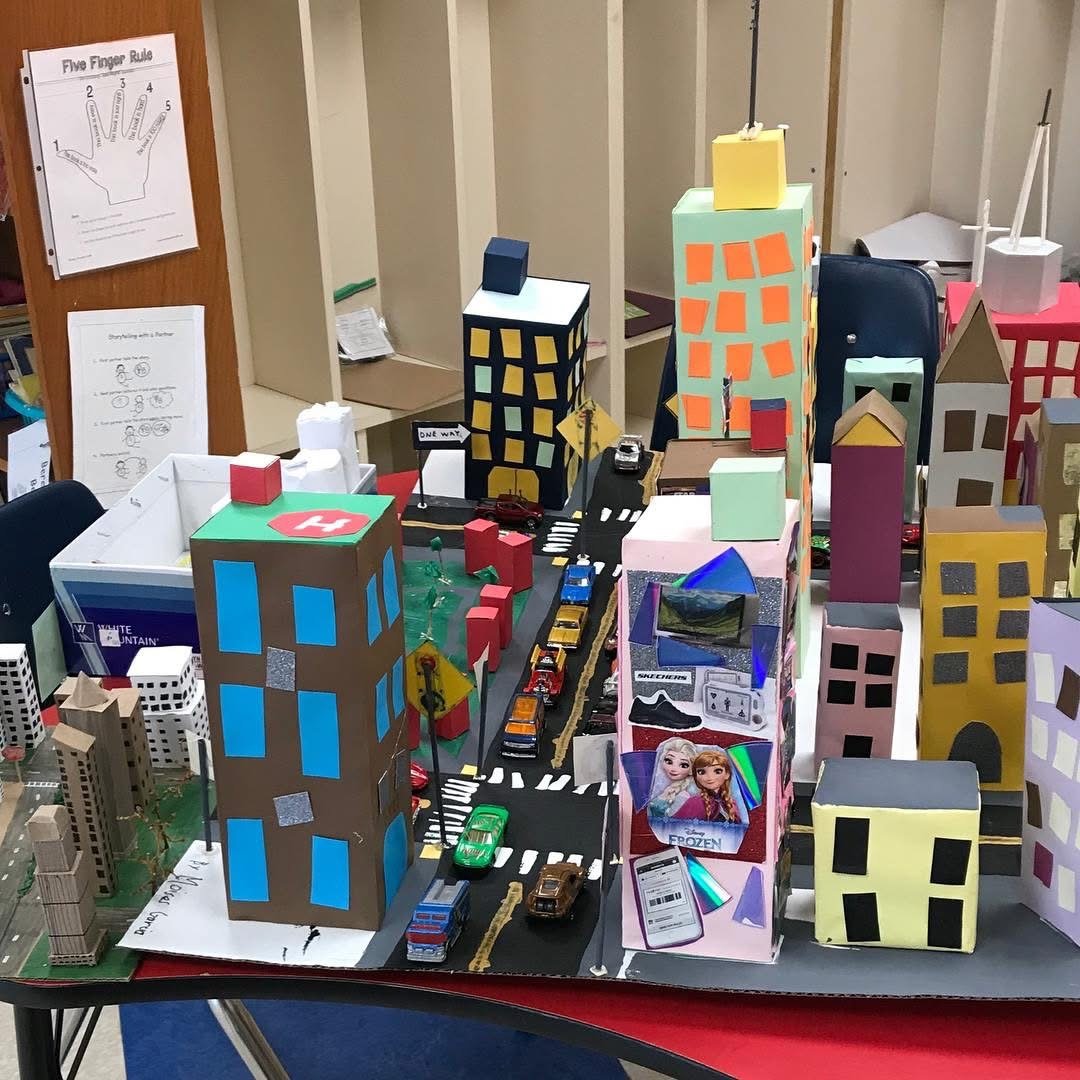
Students can create a “My Community” poster, booklet, or mini-map that shows different places and people found in a community. Children draw or cut out buildings such as a school, hospital, library, fire station, grocery store, and park, then label each one. They can also add community workers (teachers, firefighters, doctors, police officers, sanitation workers) and explain what each person does and why their job is important. This helps children connect real-world roles to the places they see every day.
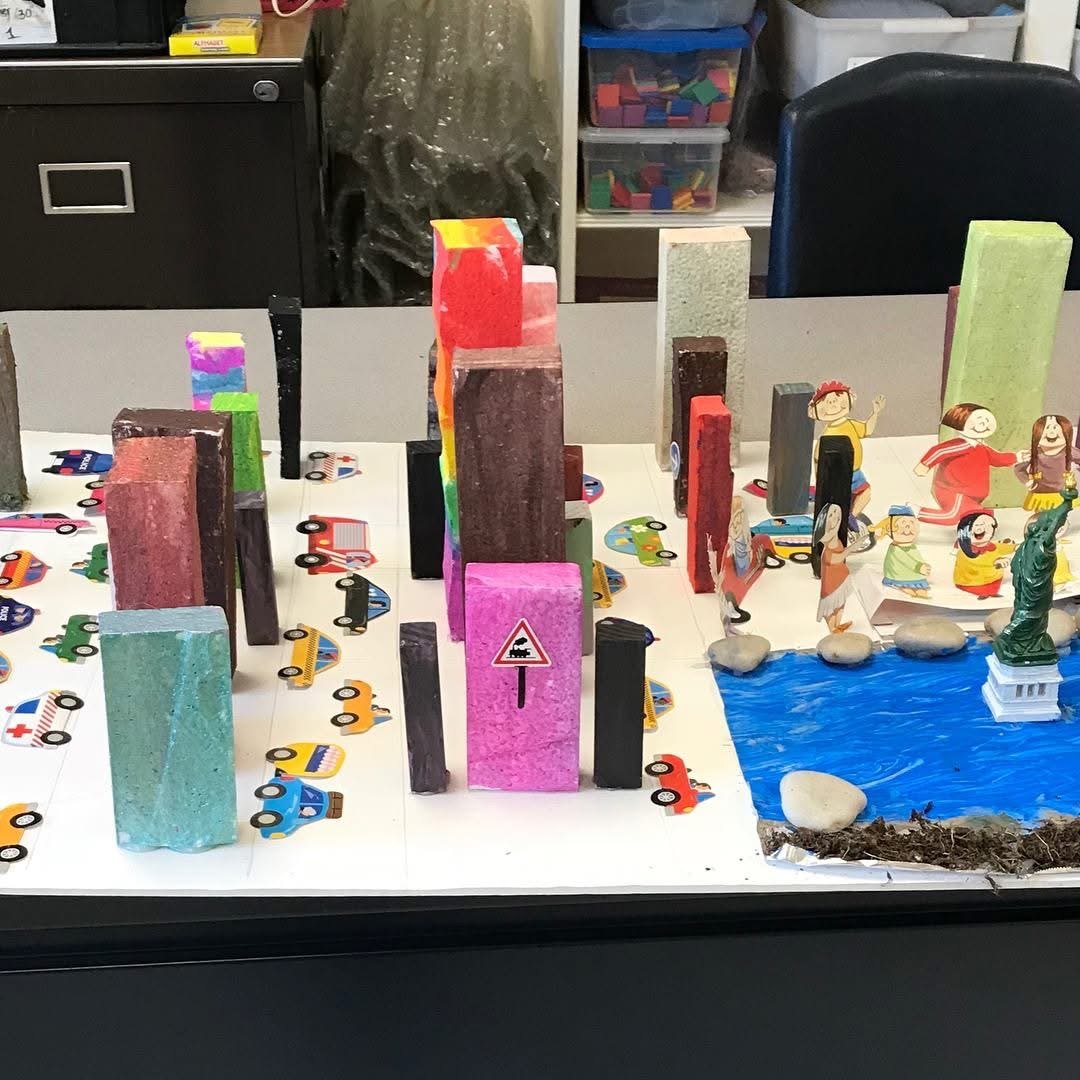
To extend the project, students can include a short writing or reflection component, such as “How I Help My Community” or “Who Helps Me in My Community.” This encourages personal connection and builds responsibility and empathy. The project works well for individual work or small groups, can be easily differentiated by grade level, and makes a great classroom display or take-home keepsake while reinforcing social studies, writing, and art skills all at once.
Check out my store, Elly Elementary, and get ready for the new year for all your K-5th grade curriculum needs.
Join me on Facebook and Instagram. Let me know if you are looking for anything in particular. (Email: ellyelementary@gmail.com)
Comments ()