
I didn’t set out to teach my baby to read.
I wasn’t trying to accelerate anything or create a “head start.” I was just looking for a simple way to bring more language into our days — something we could share that didn’t involve screens, apps, or complicated setups.
What I stumbled into was early reading.
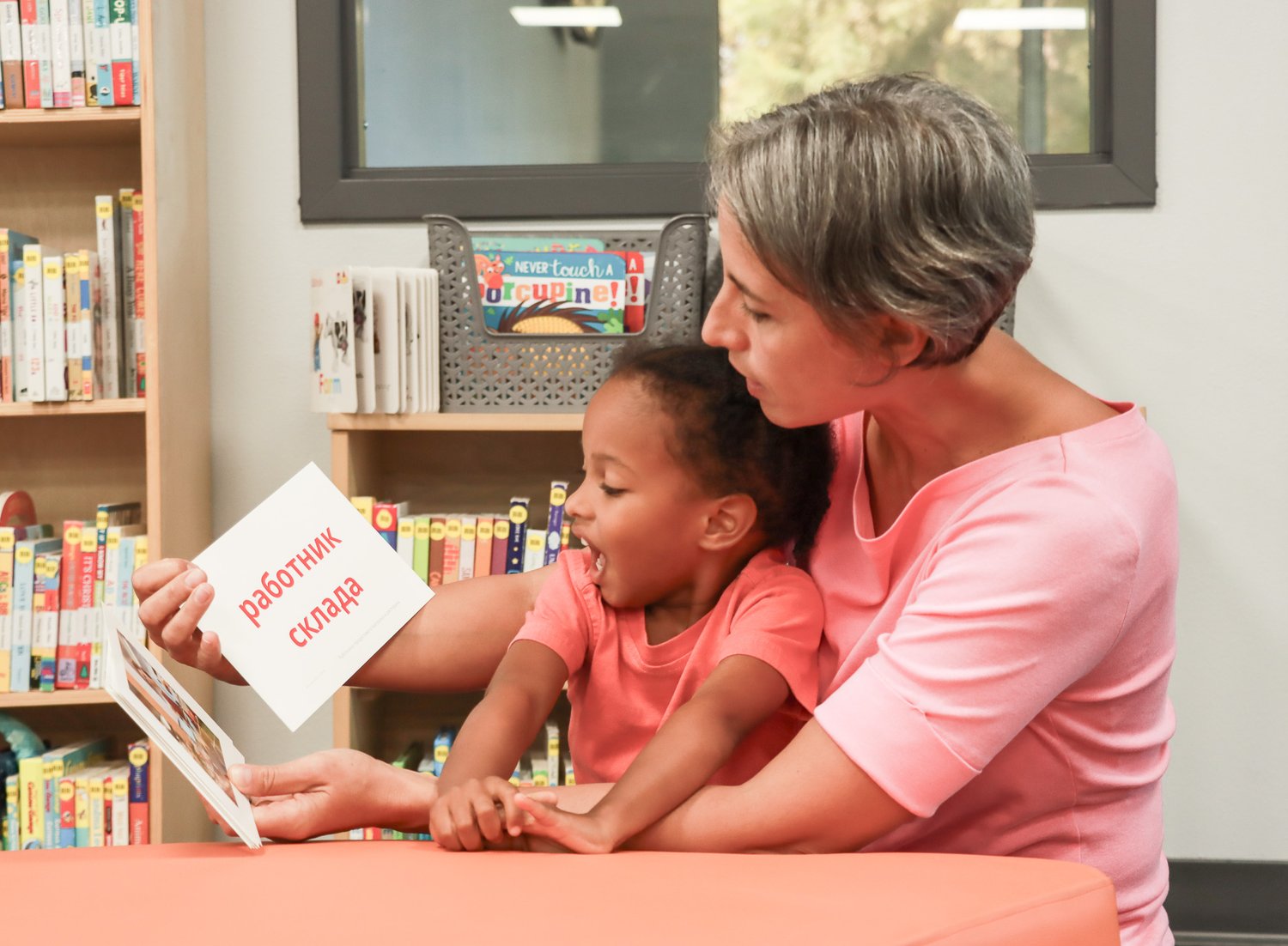
At first, it felt almost too basic to matter: big, clear words… shown briefly… paired with warmth and attention. No drills. No tests. Just exposure.
From a brain development perspective, that simplicity is exactly the point.
Babies are wired to detect patterns. They don’t need explanations — they need repeated, meaningful input. When a baby sees a written word at the same time they hear it and experience it in real life, the brain begins to link visual symbols with sound and meaning. That’s not a trick; that’s how language is built.
What surprised me wasn’t that my baby started recognizing words.
It was everything else that came with it.
His attention span improved.
Our routines became calmer.
Communication felt easier.
And learning stopped feeling like “teaching” and started feeling like connection.
Early reading didn’t make him rushed.
It made him comfortable with language.
It didn’t replace play.
It blended into play.
From a learning science point of view, this makes sense too. Young children learn best when information is:
– brief
– repeated
– emotionally positive
– connected to real life
That’s exactly how we used words: short moments, many times a day, always tied to something meaningful — food, toys, actions, people.
Another unexpected effect was confidence.
Not academic confidence — learning confidence.
When a child realizes they can recognize symbols, sounds, and meaning, they don’t just “know words.” They start trusting their own mind. That feeling — “I can figure this out” — is one of the strongest predictors of future learning success.
Over time, I realized this wasn’t really about reading early.
It was about:
– offering rich language without pressure
– respecting how fast the brain grows in the first years
– and building habits of focus and joy around learning
This is why early reading became the foundation of what I now share with other parents.
Not because every baby needs to read early —
but because every baby deserves daily exposure to language in a way that feels natural and kind.
If there’s one thing I learned, it’s this:
Babies don’t need to be pushed to learn.
They need to be invited.
And sometimes, that invitation looks as simple as a word… held up with love.