
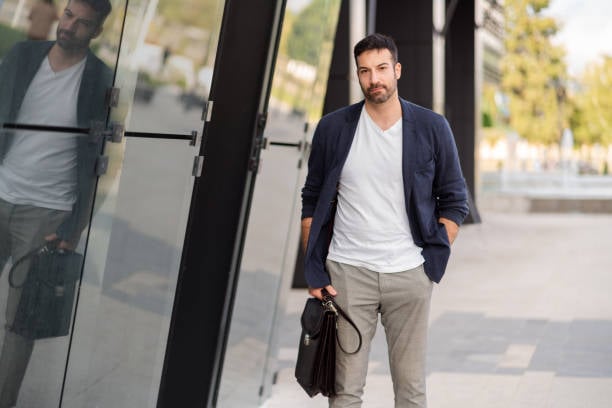
Shifting from a buttoned-up office environment to a laid-back weekend vibe can feel trickier than it seems. One moment you’re in a sharp blazer and polished shoes, navigating meetings and deadlines; the next, you’re trying to blend into brunch spots, parks, or casual gatherings without looking either underdressed or like you forgot what casual means. The good news? You don’t need two entirely separate wardrobes. Mastering casual-to-professional transitions is about flexibility, thoughtful layering, and smart accessorizing, letting you feel confident whether you’re closing deals or unwinding.

Building a Versatile Wardrobe
The key to effortless transitions is building a wardrobe around versatile staples. Items like tailored blazers, chinos, button-up shirts, and clean sneakers can be your best friends across both contexts. Here’s how to think about them:
- Blazers: Swap your structured suit jacket for an unlined or soft-shoulder blazer. Office-ready with dress pants, it becomes weekend-appropriate with dark jeans or casual chinos.
- Button-ups: A crisp white or light blue shirt works under a tie in the office and under a casual sweater or denim jacket on weekends. Rolling the sleeves instantly signals a relaxed vibe.
- Chinos and jeans: Neutral chinos are a professional workhorse, but pair them with a T-shirt or casual knit for weekends. Dark jeans can similarly bridge both worlds.
- Footwear: Leather dress shoes transform into loafers or minimalist sneakers for weekend outings without feeling mismatched.
Think of these staples as building blocks you can remix rather than replace.
Layering to Move Between Contexts
Layering isn’t just for style; it’s a practical tool to transition outfits between settings. Consider how a few small tweaks can make a professional look relaxed. For example, rolling up your sleeves, swapping a blazer for a bomber jacket, or layering a light sweater over a collared shirt can soften office formality. If you want to master office to weekend outfits, layering is often the trickiest step for most men. By thinking in terms of versatile layers, a single blazer or shirt can serve you in both settings without looking out of place.
Accessories That Adapt
Accessories can completely alter an outfit’s formality. For instance:
- Swap a silk tie for a patterned pocket square, or ditch accessories entirely.
- Replace a leather belt with a woven or casual leather one for relaxed days, and some men also notice subtle style improvements by following ways men improve appearance to subtly enhance the overall outfit.
- Subtle watches or bracelets can tone down an overly formal look.
Even eyeglasses or sunglasses selection can signal casual intent. Small changes in accessories help you feel like yourself outside the office without starting from scratch.
Footwear: Your Style’s Signal
Shoes often define an outfit’s overall formality. Here’s a practical approach:
- Office: Classic leather oxfords or loafers.
- Weekend: Leather sneakers, desert boots, or suede loafers instantly relax the look.
Remember, the goal is cohesion. Avoid pairing ultra-casual shoes with sharply tailored suits unless you’re aiming for a deliberately fashion-forward look.

Grooming Adjustments for Relaxed Style
Professional grooming often signals formality. To transition smoothly:
- Let a strict tie or freshly ironed shirt relax into an open collar or rolled sleeves.
- Maintain neat hair, but experiment with more relaxed styling products or tousled textures.
- Facial hair can be slightly less structured, think neatly trimmed stubble rather than a full shave.
These subtle changes reinforce that the shift isn’t just about clothing; it’s a mindset adjustment from work mode to personal mode.
Eight Outfit Transition Examples
Here are concrete examples showing how versatile pieces can adapt between office and weekend. These practical tips will help you get the most mileage out of your wardrobe.
- Blazer & Chinos:
- Office: Grey blazer, white shirt, black chinos, black oxfords.
- Weekend: Remove blazer, roll sleeves, swap oxfords for white leather sneakers.
- Suit Jacket & Jeans:
- Office: Navy suit jacket, light blue shirt, grey trousers.
- Weekend: Keep jacket, switch trousers to dark jeans, add casual loafers.
- Button-Up & Sweater:
- Office: Light blue shirt, navy V-neck sweater, khakis, leather shoes.
- Weekend: Untuck shirt, wear over dark jeans, pair with suede desert boots.
- Dress Shirt & Cardigan:
- Office: White shirt tucked in, slim-fit trousers, brown Oxford shoes.
- Weekend: Shirt untucked under cardigan, rolled sleeves, casual belt, chukka boots.
- Dress Pants & Polo:
- Office: Grey trousers, navy tie, white button-up shirt, black loafers.
- Weekend: Swap shirt for polo, ditch the tie, add clean sneakers.
- Structured Coat & Casual Knit:
- Office: Overcoat over suit, dress shoes.
- Weekend: Overcoat over knit T-shirt, chinos, minimalist sneakers. You can also pair these pieces with premium everyday trousers for a more comfortable yet stylish weekend feel.
- Blazer & Casual Layers:
- Office: Black blazer, dress shirt, black pants, leather shoes.
- Weekend: Layer a hoodie under a blazer, swap pants for dark denim, and sneakers finish the look.
For men trying to nail office to weekend outfits, this strategy ensures both comfort and style without overcomplicating your wardrobe.
Common Pitfalls to Avoid
Men often struggle with casual styling because they:
- Over-dressed: Wearing full suit separates to the park or weekend café.
- Under-dress: Pairing T-shirts with polished office trousers creates awkward dissonance.
- Mismatched formality levels: Sneakers with full business professional attire or dress shoes with ultra-casual joggers look off-balance.
The solution: understand which pieces are flexible, and make subtle swaps rather than full outfit overhauls.
Conclusion
Transitioning effortlessly between professional office looks and relaxed weekend style isn’t about owning two completely separate wardrobes; it’s about strategy, versatility, and small adjustments. By focusing on key staples like blazers, chinos, button-ups, and smart shoes, you can remix the same pieces across contexts. Layering thoughtfully, swapping accessories, and making subtle grooming tweaks allow your outfits to signal the right level of formality without overthinking.
Remember, casual and professional aren’t opposites; they’re points on the same style spectrum. Mastering these transitions boosts not only your appearance but also your confidence, letting you move seamlessly from meetings to social outings. With the tips and outfit examples shared here, you’ll maximize your wardrobe’s potential, simplify your daily choices, and feel composed, polished, and ready for any occasion.