

Outdoor activity has moved from being a leisure preference to a practical well-being strategy for many professionals, students, and families. Time outside can elevate daily energy by supporting better sleep, improving mood regulation, and encouraging consistent movement that feels less like a chore and more like a rewarding routine. Unlike indoor workouts that can become repetitive, outdoor environments add variety through changing weather, terrain, and scenery elements that naturally sustain motivation and help the body and mind stay engaged.
Energy Improves With Natural Movement
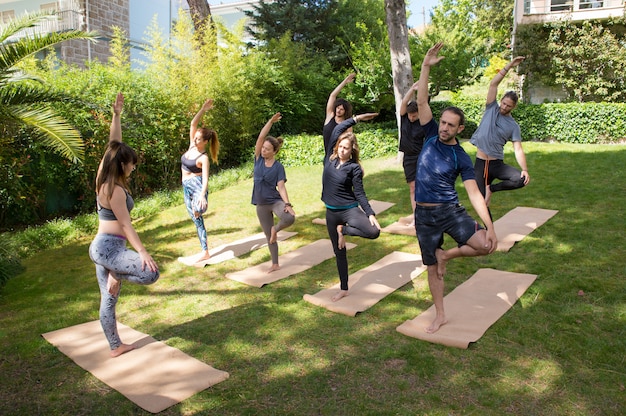
Outdoor activities can boost energy because they activate multiple systems at once. Movement increases circulation, delivering oxygen and nutrients more efficiently throughout the body. At the same time, natural light helps regulate circadian rhythms, which can improve nighttime rest and strengthen daytime alertness. This combination is important: energy is not just about intensity of exercise, but also about how well your body recovers and how stable your internal wake-sleep timing remains.
Another factor is perceived effort. Many people find that the same level of exertion feels easier outdoors than indoors, partly because attention is shared between movement and the environment. That shift can reduce the mental fatigue associated with pushing through a session, making it more likely you repeat the behavior consistently.
Sunlight Supports Mood And Daily Vitality
Sunlight exposure supports processes that influence both energy and mood. One well-known pathway is vitamin D production, which contributes to bone health, muscle function, and immune performance. While vitamin D is not a stimulant, deficiencies are commonly linked with low energy and reduced resilience.
When combined with adequate hydration, balanced nutrition, and structured recovery, outdoor movement becomes part of a larger system that supports sustainable performance. Many people who enjoy trending informative articles on wellness are increasingly drawn to outdoor routines because they feel practical, flexible, and easier to maintain than rigid plans.
Nature Calms Stress And Restores Drive
Energy is deeply connected to stress regulation. When stress is chronic, the body tends to spend more time in a heightened state of alertness, which can drain mental clarity and reduce motivation. Exposure to green spaces has been associated with relaxation responses, including lowered perceived stress and improved emotional restoration.
This matters for well-being because calm is not the opposite of productivity; it is often a prerequisite for focused effort. People frequently report returning from outdoor time with a steadier mood, better patience, and improved ability to concentrate.
Cardio Builds Sustainable Stamina Gains
Outdoor activities that elevate the heart rate, such as cycling, hiking, jogging, rowing, or brisk walking, strengthen cardiovascular capacity. Over time, improved aerobic fitness means the heart and lungs can deliver oxygen with less strain, which typically translates into better everyday stamina.
Outdoor cardio can be scaled to match nearly any starting point. Gentle terrain, short durations, and frequent breaks still provide benefits, especially when practiced consistently. As stamina grows, daily tasks often feel easier, and energy becomes more stable.
Trail Terrain Strengthens Balance And Coordination
Outdoor environments naturally introduce uneven surfaces and varied movements. Walking on trails, stepping over roots, climbing gentle inclines, or playing recreational sports requires the body to stabilize in multiple directions. These demands build functional strength, enhance balance, and improve coordination.
Unlike repetitive machine-based movements, natural terrain challenges stabilizing muscles, joint awareness, and reflexive control. Over time, this can improve posture, lower-body stability, and overall movement efficiency.
Social Time Sustains Healthy Habits
Many outdoor activities are naturally social, including walking groups, community runs, cycling meetups, pick-up games, or family hikes, and this shared environment makes it easier to stay committed. When people come together, habits like regular exercise for mind and body become part of a collective routine rather than an individual task, reinforcing consistency through accountability and enjoyment. Social connection also plays a key role in mental well-being, helping reduce isolation while offering positive emotional support that buffers everyday stress.
Days Improve Sleep And Recovery
Daytime outdoor exposure, especially earlier in the day, can support healthier sleep patterns by reinforcing circadian cues. Physical activity also builds sleep pressure, helping the body transition more naturally into rest at night, and tips for better sleep patterns can further strengthen this effect when practiced consistently. Improved sleep quality often shows up as better morning alertness, fewer energy crashes, and improved emotional regulation. If someone feels constantly tired despite adequate time in bed, outdoor activity can be a useful lever because it targets movement, light exposure, and stress reduction together.
Breaks Sharpen Focus And Resilience
Outdoor activities reduce screen time and interrupt the constant flow of notifications that can fragment attention. Even short outdoor breaks can function as cognitive resets, allowing the brain to recover from sustained concentration demands. This restoration can improve decision-making, patience, and creativity.
Professionals who read trending informative articles about productivity often discover that outdoor movement is not time away from work, but a performance tool that supports focus and reduces burnout risk.

Routines Stay Strong Without Burnout
Sustainable outdoor routines are built on realistic design rather than intensity. Start by matching the activity to your lifestyle: short walks on weekdays, longer nature time on weekends, or a mix of light and moderate sessions. In the middle of building a steady habit, remember that motivation often grows from meaning, and reflecting on how international sports inspire unity and dreams can connect your small daily efforts to something larger and more uplifting. This not only prevents physical stagnation but also keeps your mind refreshed, making outdoor activity feel less like a task and more like a rewarding part of your routine.
Conclusion
Outdoor activities boost energy and well-being by working through multiple pathways at once: improved circulation, stronger cardiovascular function, better sleep regulation, enhanced mood, and reduced stress. They also provide an environment that supports consistency through variety, sensory restoration, and opportunities for social connection. The outdoors does not need to be extreme to be effective; even modest, regular time outside can translate into clearer thinking, better resilience, and a healthier relationship with movement that lasts.