
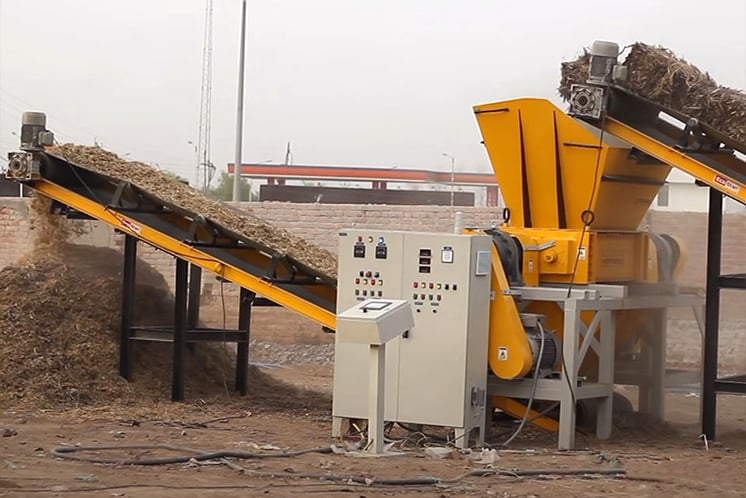
The global textile industry is facing a growing challenge—managing enormous volumes of textile waste generated from garment manufacturing units, fashion industries, export houses, and post-consumer clothing. With increasing awareness of sustainability and strict environmental regulations, textile recycling plants are actively seeking efficient solutions to process fabric waste. A high-capacity Cloth Shredder Machine has emerged as a critical tool in transforming textile waste into reusable raw material, supporting circular economy practices.
Growing Need for Textile Recycling
Textile waste is one of the fastest-growing waste streams worldwide. Discarded fabrics, production scraps, damaged garments, and rejected textiles often end up in landfills or are openly burned, causing serious environmental pollution. Recycling this waste not only reduces landfill burden but also conserves resources such as water, energy, and raw fibers.
Textile recycling plants require robust machinery capable of handling mixed fabrics like cotton, denim, wool, polyester, jute, and blended materials. This is where a Cloth Shredder Machine plays a vital role by breaking down bulky fabric waste into uniform shredded material that can be reused in various applications.
What Is a Cloth Shredder Machine?
A Cloth Shredder Machine is an industrial-size shredding system designed specifically to cut, tear, and shred textile materials into smaller pieces. These machines use heavy-duty blades and high-torque motors to handle soft, flexible, and sometimes tough fabrics without clogging or overheating.
High-capacity models are engineered for continuous operation in textile recycling plants, ensuring consistent output, reduced downtime, and efficient waste processing. The shredded output can then be further processed into fibers, stuffing material, insulation, automotive felts, mats, or even fuel briquettes.
Importance of High-Capacity Shredding in Textile Plants
Textile recycling facilities often deal with tons of cloth waste daily. Manual cutting or low-capacity machines are inefficient, labor-intensive, and costly in the long run. A high-capacity Cloth Shredder Machine offers multiple advantages:
- Handles large volumes of textile waste efficiently
- Reduces processing time and operational costs
- Ensures uniform shredding size for downstream applications
- Supports continuous industrial-scale recycling operations
High-capacity shredders are particularly beneficial for export-oriented garment factories and centralized recycling plants where waste generation is constant and heavy.
Key Features of a High-Capacity Cloth Shredder Machine
Modern cloth shredders are designed with advanced engineering to meet industrial demands. Some key features include:
Heavy-Duty Cutting System
The machine is equipped with specially designed rotating and fixed blades made from hardened steel. These blades are capable of shredding thick fabrics, layered textiles, and even stitched garments without performance loss.
High Torque Motor
A powerful motor ensures smooth shredding even when handling dense or tangled cloth waste. High torque prevents jamming and allows the machine to process a wide range of textile materials.
Adjustable Output Size
Most high-capacity Cloth Shredder Machines allow adjustment of the output size based on recycling requirements. This flexibility is crucial for plants supplying shredded cloth to different industries.
Continuous Operation Capability
Industrial shredders are built for long working hours with minimal maintenance, making them ideal for textile recycling plants running multiple shifts.
Safety and Control Systems
Advanced safety features such as overload protection, emergency stop systems, and enclosed cutting chambers ensure safe operation and compliance with industrial safety standards.
Applications of Shredded Textile Waste
The output from a Cloth Shredder Machine is highly versatile and valuable. Shredded cloth material is widely used across industries, including:
- Textile recycling units for fiber recovery
- Automotive industry for seat padding, insulation, and soundproofing
- Construction sector for insulation panels and acoustic materials
- Furniture industry for cushions, mattresses, and upholstery filling
- Packaging industry as eco-friendly cushioning material
- Waste-to-energy plants where shredded textiles are used as refuse-derived fuel
This wide range of applications makes textile shredding a profitable and sustainable operation.
Environmental and Economic Benefits
Investing in a high-capacity Cloth Shredder Machine offers both environmental and economic advantages. Recycling textile waste significantly reduces greenhouse gas emissions and dependence on virgin raw materials. From a business perspective, shredded textile waste can be sold as raw material, creating an additional revenue stream.
Moreover, efficient shredding reduces storage space requirements, transportation costs, and waste disposal expenses. Recycling plants also gain compliance with environmental regulations, enhancing their brand image and sustainability credentials.
Factors to Consider When Choosing a Cloth Shredder Machine
Selecting the right Cloth Shredder Machine is crucial for long-term performance and profitability. Key factors to consider include:
- Type and volume of textile waste to be processed
- Required output size and consistency
- Power consumption and energy efficiency
- Ease of maintenance and availability of spare parts
- Machine durability and build quality
- Manufacturer’s technical support and service network
A well-chosen machine ensures uninterrupted operations and higher returns on investment.
Role of Automation in Textile Shredding
Modern textile recycling plants are increasingly adopting automation to improve productivity. High-capacity cloth shredders can be integrated with conveyor systems, feeding units, and dust collection systems for seamless operation. Automated feeding reduces manual handling, improves safety, and ensures uniform material flow into the shredder.
Automation also helps maintain consistent quality of shredded output, which is essential for industries that require standardized raw materials.
Future of Textile Recycling and Shredding Technology
As sustainable fashion and eco-friendly manufacturing gain momentum, the demand for efficient textile recycling solutions will continue to rise. Innovations in shredding technology are focusing on energy efficiency, reduced noise levels, smarter control systems, and the ability to process complex fabric blends.
A high-capacity Cloth Shredder Machine will remain a cornerstone of textile recycling plants, enabling industries to move closer to zero-waste manufacturing and circular economy goals.
Conclusion: Ecostan Machines
When it comes to reliable and high-performance solutions for textile waste processing, Ecostan Machines stands as a trusted name in the industry. With a strong focus on innovation, durability, and customer-centric design, Ecostan Machines offers advanced Cloth Shredder Machine solutions tailored for modern textile recycling plants. Backed by engineering expertise and a commitment to sustainable waste management, Ecostan Machines helps industries convert textile waste into valuable resources efficiently and responsibly.