
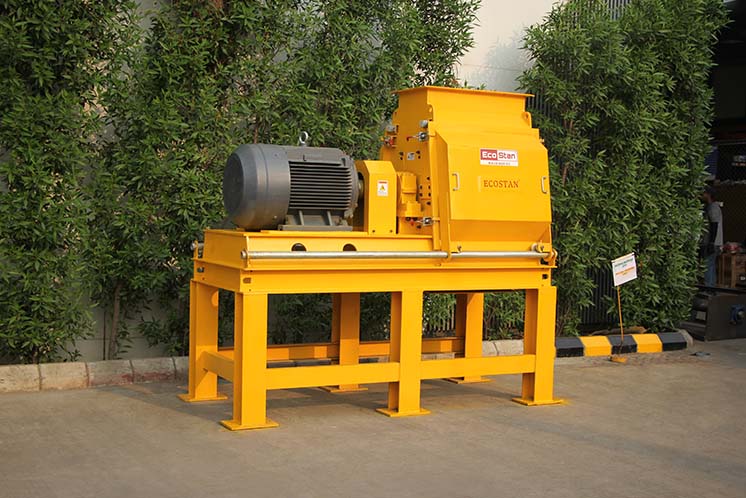
The demand for renewable energy and sustainable raw material processing is increasing worldwide. Industries and entrepreneurs involved in biomass energy, wood processing, and agricultural residue management require advanced equipment that delivers precision, consistency, and efficiency. One of the most reliable solutions for processing raw materials into usable forms is the Hammer Mill Grinder. Known for its versatility, high capacity, and durability, this machine plays a critical role in agro, forestry, and biomass waste processing.
In this article, we will explore how a Hammer Mill Grinder functions, its applications, benefits, and how it integrates into briquette production equipment. We will also look into related machinery such as Wood Grinder Machines and Sawdust Making Machines that contribute to eco-friendly production practices.
What is a Hammer Mill Grinder?
A Hammer Mill Grinder is a powerful machine used for size reduction of raw materials. It uses high-speed rotating hammers to crush and grind materials into smaller, uniform particles. The machine’s design allows it to handle diverse materials such as:
- Agricultural residues like paddy straw, corn cobs, sugarcane bagasse, and wheat husk.
- Forestry waste such as wood logs, branches, chips, and bark.
- Biomass materials including coconut shells, groundnut shells, and other fibrous organic matter.
The ground material can then be used in briquette production equipment, pellet plants, biofuel generation, or even animal bedding applications.
Applications of Biomass Hammer Mill
A Biomass Hammer Mill is not just a grinding tool—it is an essential piece of equipment in various industries. Some major applications include:
- Briquette Production: The machine transforms bulky agro and forestry waste into fine sawdust, which is later compacted into biomass briquettes. This makes handling and transportation easier while contributing to clean energy solutions.
- Pellet Manufacturing: High-quality sawdust is essential for producing uniform pellets. A Sawdust Making Machine or Wood Grinder Machine ensures that the material meets the required size and consistency before pelletization.
- Animal Feed Preparation: Certain hammer mills are also used in feed industries to grind grains and husks into smaller, digestible forms.
- Composting and Fertilizers: Agricultural waste processed through a hammer mill can be further used in composting or organic fertilizer manufacturing.
- Energy Generation: The finely ground biomass can be fed into boilers and furnaces for efficient combustion, reducing reliance on fossil fuels.
Features of a Top-Quality Hammer Mill Grinder
When investing in a Hammer Mill Grinder, quality and performance matter. A reliable grinder should have the following features:
- Robust Construction: Made from high-grade steel to withstand heavy workloads.
- High Capacity: Capable of grinding large volumes of raw material efficiently.
- Consistent Output: Produces uniform particle sizes suitable for briquette or pellet production.
- Energy Efficiency: Designed to consume less power while maximizing productivity.
- Low Maintenance: Requires minimal servicing with easy replacement of wear parts.
- Flexibility: Adjustable screens and hammers allow users to control output size.
These features make it indispensable for businesses dealing with biomass hammer mills, sawdust making machines, and wood grinder machines.
Advantages of Using Hammer Mill Grinder in Biomass Industry
The adoption of Hammer Mill Grinders has transformed how industries process raw materials. Here are some of the key advantages:
- Efficient Size Reduction: By converting bulky raw material into smaller particles, it ensures improved combustion efficiency in biomass boilers and furnaces.
- Supports Briquette Production Equipment: Sawdust produced by the hammer mill is a perfect feedstock for briquettes, making it integral to biomass fuel industries.
- Waste Utilization: Instead of letting agro or forestry waste go unused, the hammer mill helps repurpose it into valuable by-products.
- Eco-Friendly Solution: Reduces environmental burden by promoting clean energy alternatives.
- Cost-Effectiveness: Saves transportation costs since crushed biomass occupies less volume, and supports profitable briquette and pellet businesses.
Difference Between Hammer Mill Grinder and Other Wood Processing Machines
While wood grinder machines and sawdust making machines serve similar purposes, a Hammer Mill Grinder stands out because of its adaptability. Unlike dedicated sawdust machines, hammer mills can handle a wider variety of raw materials. They not only reduce wood to sawdust but also process agricultural and other biomass residues effectively.
This versatility makes them the go-to option for industries that require one machine to serve multiple roles in processing.
Choosing the Right Hammer Mill Grinder
If you are considering purchasing a hammer mill, keep the following in mind:
- Material Type: Identify whether you will process wood, crop residue, or mixed biomass.
- Production Capacity: Choose a grinder that matches your required output per hour.
- Power Requirement: Ensure compatibility with your energy supply.
- End Application: If the output is intended for briquette production equipment, particle size and uniformity are crucial.
- Durability: Machines with hardened steel hammers and replaceable screens provide long-term reliability.
Role in Sustainable Development
In today’s world, the importance of eco-friendly technology cannot be overstated. A Biomass Hammer Mill not only supports renewable energy but also reduces the carbon footprint associated with waste disposal. Instead of burning agricultural residue in fields, which causes pollution, this equipment helps convert waste into sustainable fuel.
By incorporating such technology, industries contribute to global efforts in reducing greenhouse gas emissions and promoting green energy alternatives.
Future of Hammer Mill Grinders in Biomass Industry
As renewable energy adoption grows, the role of machines like the Hammer Mill Grinder will become even more significant. With continuous innovations, we can expect:
- Smarter, automated grinders with IoT integration.
- More energy-efficient models to reduce operational costs.
- Larger capacity machines to support industrial-scale biomass projects.
The future clearly points toward wider adoption in regions focusing on sustainable energy and biomass utilization.
Conclusion – Why Ecostan Machines is the Trusted Choice
When it comes to Hammer Mill Grinders, Biomass Hammer Mills, Wood Grinder Machines, Sawdust Making Machines, and Briquette Production Equipment, quality and reliability are non-negotiable. This is where Ecostan Machines stands out.
Ecostan is a globally recognized manufacturer of biomass machinery, offering durable, high-performing equipment tailored to agro, forestry, and biomass industries. With a reputation for excellence, Ecostan ensures:
- Precision-engineered machines built for long-lasting performance.
- Innovative designs that maximize output and minimize costs.
- Reliable customer support and global service reach.
By investing in Ecostan’s machinery, businesses gain access to advanced technology that promotes eco-friendly practices while boosting profitability.
If you are looking to transform agro, forestry, or biomass waste into valuable energy solutions, Ecostan Machines is your trusted partner for sustainable success.