
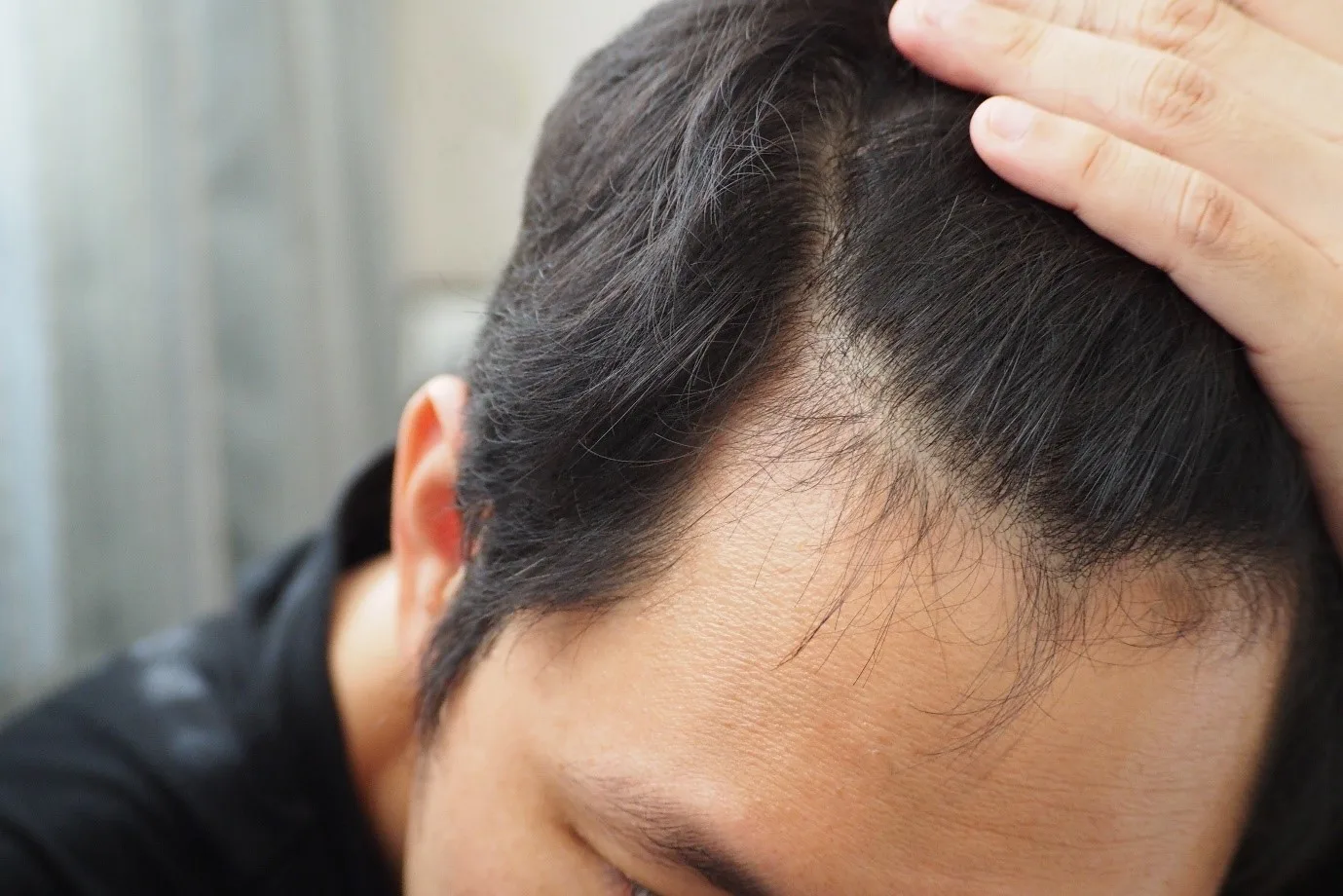
Finasteride is an FDA-approved oral medication primarily used to treat male pattern baldness (androgenetic alopecia). Originally developed to treat benign prostatic hyperplasia (BPH), Finasteride Dubai finasteride was later discovered to have significant effects on hair loss prevention and hair maintenance. It works by inhibiting the enzyme 5-alpha reductase, which converts testosterone into dihydrotestosterone (DHT)—a hormone that contributes to hair follicle miniaturization and eventual hair loss.
The Role of DHT in Hair Loss:
DHT is a derivative of testosterone and plays a crucial role in male pattern baldness. In genetically predisposed individuals, DHT binds to hair follicle receptors, causing them to shrink over time. This process leads to thinner, weaker hair and, ultimately, complete follicle dormancy. By reducing DHT levels, finasteride helps to slow or even stop this miniaturization process, preserving existing hair and, in some cases, encouraging regrowth.
Does Finasteride Maintain Existing Hair?
Research has shown that finasteride is highly effective in maintaining existing hair. Clinical studies indicate that most men taking finasteride experience a halt in hair loss, with some even seeing mild to moderate regrowth. The effectiveness of finasteride in maintaining hair depends on various factors, including:
Stage of Hair Loss: The earlier finasteride is started, the better it can maintain existing hair.
Consistency of Use: Regular daily intake is necessary for continued benefits.
Individual Response: While most men see positive results, some may not respond as well due to genetic factors.
How Long Does It Take to See Results?
Hair growth is a slow process, and finasteride takes time to show noticeable effects. Most users begin to see a reduction in hair shedding within three to six months. More significant improvements in hair density and quality typically become visible after six to twelve months of consistent use. To maintain results, continued use is required, as stopping the medication may lead to renewed hair loss.
Can Finasteride Regrow Lost Hair?
While finasteride is primarily used to maintain existing hair, it can also stimulate some regrowth, particularly in areas where hair follicles are still active but miniaturized. However, it is less effective in completely bald areas where follicles have become dormant for a prolonged period. For those seeking regrowth in such cases, combining finasteride with minoxidil or undergoing hair transplant surgery may yield better results.
Potential Side Effects of Finasteride:
Like any medication, finasteride has potential side effects. Most are mild and reversible upon discontinuation, but they should be considered before starting treatment. Possible side effects include:
Depression and Mood Changes: Some individuals experience mood swings or depressive symptoms.
Breast Tenderness or Enlargement: Rare cases of gynecomastia (male breast tissue enlargement) have been reported.
Allergic Reactions: Itching, rash, or swelling may occur in very rare instances.
Who Should Consider Taking Finasteride?
Finasteride is suitable for men experiencing male pattern baldness who want to maintain their existing hair and slow hair loss progression. It is most effective in individuals who:
Have early to moderate hair loss rather than complete baldness.
Are willing to take the medication long-term to sustain benefits.
Do not have underlying medical conditions that could be worsened by finasteride.
Are aware of potential side effects and comfortable with the risk.
Who Should Avoid Finasteride?
While Finasteride UAE finasteride is generally safe, certain individuals should avoid taking it, including:
Women and Pregnant Individuals: Finasteride is not recommended for women, particularly during pregnancy, as it can cause birth defects in male fetuses.
Men with Prostate Cancer History: Since finasteride affects prostate-specific antigen (PSA) levels, it may mask signs of prostate cancer.
Individuals with Severe Side Effects: If significant adverse reactions occur, it may be best to discontinue use and consult a doctor.
Alternatives to Finasteride for Hair Maintenance:
For those unable or unwilling to take finasteride, alternative treatments for maintaining hair include:
Minoxidil (Rogaine): A topical solution that stimulates hair growth and prevents shedding.
Low-Level Laser Therapy (LLLT): Devices like laser combs and helmets that promote hair follicle activity.
PRP (Platelet-Rich Plasma) Therapy: Injections using the patient’s blood plasma to rejuvenate hair follicles.
Hair Transplants: Surgical procedures that redistribute hair from donor areas to balding regions.
Natural Supplements: Saw palmetto, biotin, and pumpkin seed oil have been studied for their potential benefits.
Is Finasteride a Long-Term Solution?
Finasteride is an effective long-term solution for maintaining hair, but it requires consistent, lifelong use to sustain its benefits. If the medication is discontinued, DHT levels will return to normal, leading to resumed hair loss within three to twelve months.
Final Verdict:
Finasteride is one of the most effective medications for preserving existing hair and slowing hair loss progression. While it may not regrow significant amounts of lost hair, it provides a reliable solution for men looking to keep what they have. Before starting finasteride, consult with a healthcare provider to discuss potential benefits, risks, and alternative treatments. When used correctly and consistently, finasteride can be a game-changer for those looking to maintain a fuller head of hair.