
The crown area, also known as the vertex, is located at the back of the scalp. It's a region where hair naturally spirals, creating a swirl pattern. This pattern can make hair loss in this area more noticeable due to the way light reflects off the scalp when hair thins.
Hair loss in the crown is a common concern for many individuals experiencing pattern baldness. It often starts as a small bald spot that gradually expands over time. Because of its round shape and spiral direction, the crown poses distinct challenges compared to other parts of the scalp. Let's delve into Hair Transplant Dubai.
Why Does Hair Loss Commonly Begin at the Crown?
The crown is particularly sensitive to changes in hair density. Hair follicles in this area may be more reactive to hormonal changes that trigger genetic hair thinning. This region may also show signs of thinning before other areas, making early intervention desirable for those concerned with overall appearance.
Is a Hair Transplant More Complicated in the Crown?
The Complexity of Crown Hair Patterns
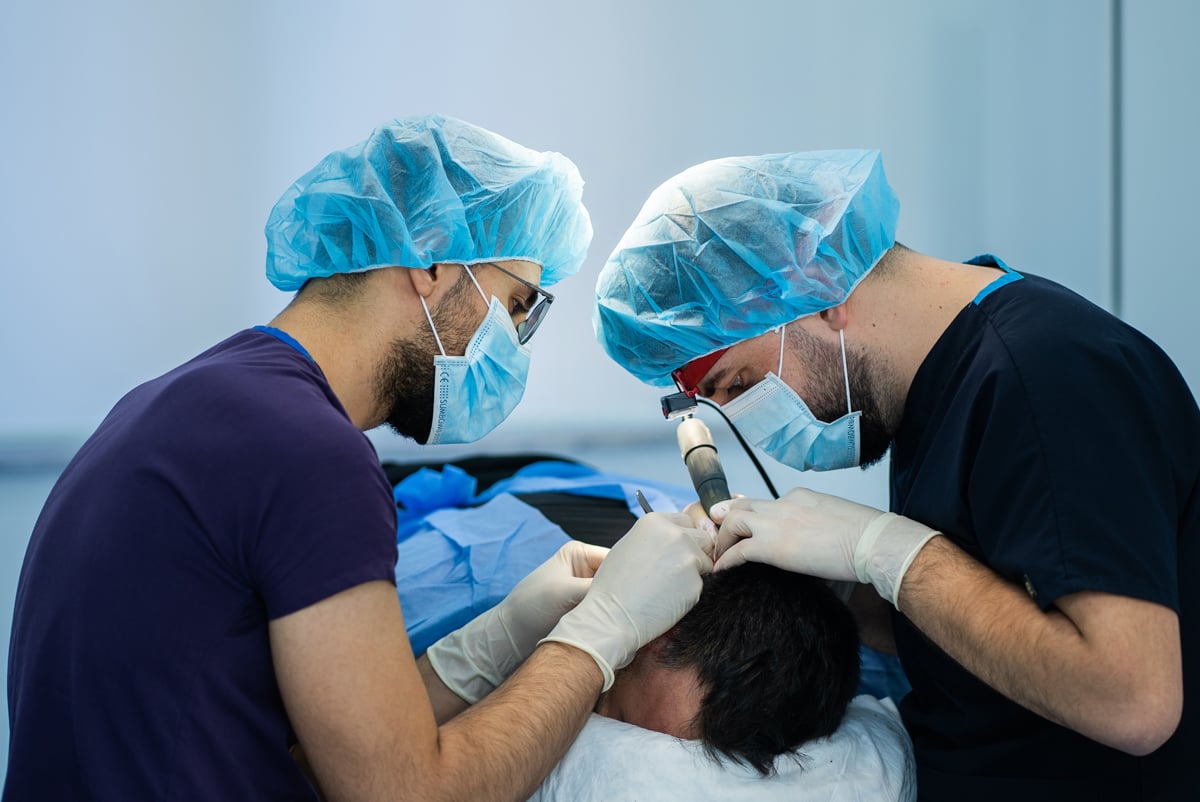
The crown’s swirl or whorl pattern can make transplant procedures in this area more technical. Surgeons must carefully mimic this natural direction of growth to achieve a realistic and aesthetically pleasing result. Unlike straight-line hairlines or uniform-density restoration, the crown demands a more artistic and calculated approach.
Creating the natural flow of hair in the crown requires an understanding of how follicles align and how the hair naturally spirals. It’s not just about placing grafts—it's about positioning them in a way that blends with the existing hair flow.
Higher Graft Demand for Coverage
The crown generally requires more grafts to cover thinning areas because of its broad and rounded shape. Even small balding spots in this area may demand dense packing to provide an even appearance. Compared to the front of the scalp, which is flat and easier to manage, the crown’s shape and angle increase the number of grafts needed to maintain uniformity.
Grafts must also be spaced in a way that avoids creating a patchy look. Overloading one part while neglecting another can result in inconsistent density that defeats the purpose of the procedure.
Timing and Expectations
Why Patience Is Essential with Crown Transplants
Hair growth in the crown can take longer to show visible results. The crown area often responds more slowly to transplantation due to reduced blood flow compared to the front of the scalp. Those undergoing crown restoration should keep expectations realistic and understand that full results may take time to appear.
This area might also be the last to mature during the growth cycle, meaning individuals may see improvements in other areas of their scalp before noticing changes in the crown.
Are Results in the Crown Long-Lasting?
When performed correctly, hair transplant results in the crown can be long-lasting. The longevity of the result depends on careful planning, strategic graft placement, and maintaining overall scalp health. Since the crown is a high-movement area due to its location at the top-back of the head, a precise approach ensures durability and visual consistency over time.
FAQs
Is It Harder to Match Natural Hair Direction in the Crown?
Yes, the crown’s spiral growth pattern makes it more challenging to replicate natural direction. Successful results rely on mimicking the natural angle and flow of the hair, which varies from person to person.
Can You Get a Hair Transplant if Only the Crown Is Thinning?
Absolutely. Many people seek transplants specifically for the crown area. A skilled team will assess the degree of thinning and design a plan focused on crown coverage alone if needed. It's a common choice for those with localized hair loss who want to restore volume and density.
How Long Does It Take to See Results in the Crown?
Results in the crown area usually take several months to become visible, with full results often taking up to a year or more. Patience is key, and growth progress can vary based on individual factors like scalp condition and hair type.
Is the Crown More Prone to Thinning Again After a Transplant?
Not necessarily. Hair follicles transplanted from stable areas of the scalp are generally resistant to the hormones that cause hair loss. However, ongoing thinning of native hair surrounding the transplant may occur, which is why planning for long-term results is essential.
Do Crown Transplants Look as Natural as Hairline Transplants?
When done correctly, yes. Crown transplants can look just as natural as those in the hairline, provided the natural spiral pattern is carefully followed. Artistic planning and technical skill are crucial to achieving seamless results in this visually complex area.
Will I Need Multiple Sessions for the Crown Area?
It depends on the degree of hair loss and the desired density. Some individuals achieve satisfying results in a single session, while others may benefit from a follow-up procedure for optimal coverage.
Personalized consultation and strategic planning will determine the most effective approach.
Final Thoughts
The crown area, while often overlooked compared to the frontal hairline, plays a significant role in the overall appearance of fullness. Hair Transplant in Dubai in this region demands a higher level of attention due to its unique spiral pattern and shape. Though it may be more complex, it is by no means impossible to restore.
Proper planning, realistic expectations, and an understanding of how hair naturally grows in the crown are the cornerstones of a successful outcome. Whether dealing with early signs of thinning or more advanced hair loss, crown-focused transplants can offer noticeable and satisfying results with the right approach.