
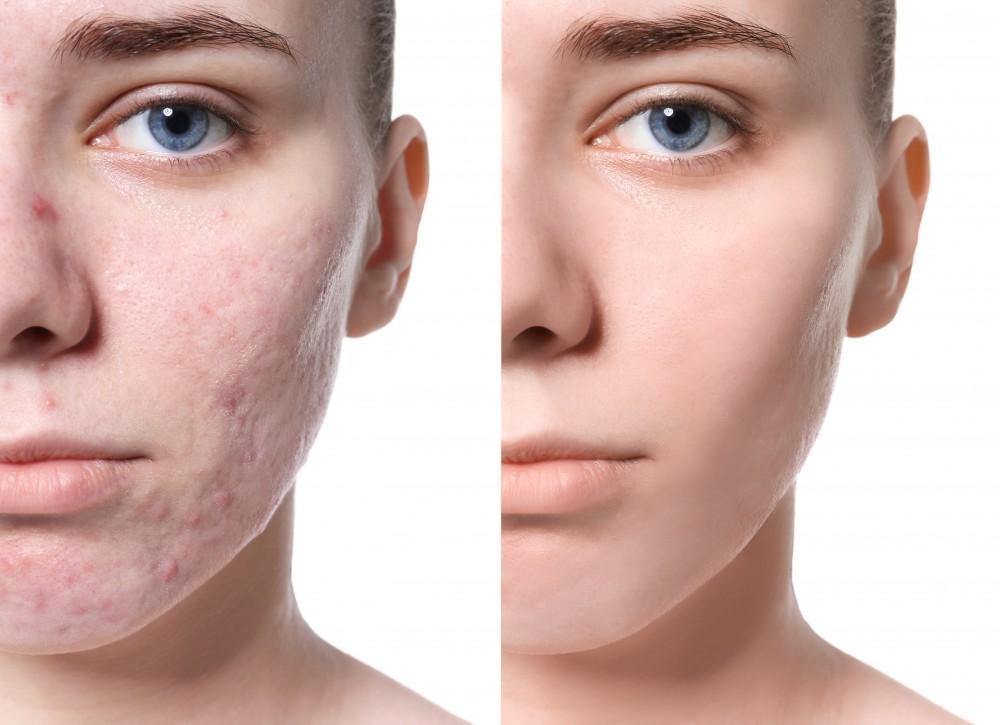
Acne is a common skin condition that affects people of all ages, but when it comes to inflammatory acne, the issue becomes more complex. Inflammatory acne is typically more severe than non-inflammatory forms and can cause significant discomfort, including painful cysts, pustules, and nodules. In this article, we’ll explore how acne treatments can help alleviate the symptoms of inflammatory acne, reduce its severity, and ultimately improve skin health and appearance.
Understanding Inflammatory Acne:
To understand how Acne Treatment Dubai work, it's important to first understand what inflammatory acne is. Unlike non-inflammatory acne, which primarily involves clogged pores or blackheads and whiteheads, inflammatory acne results from the skin’s response to blocked hair follicles and sebaceous glands. The inflammation occurs when bacteria such as Propionibacterium acnes (P. acnes) multiply in clogged pores, leading to redness, swelling, and even pus-filled lesions.
Inflammatory acne typically presents as:
- Papules: Small, red, raised bumps
- Pustules: Pimples filled with pus
- Nodules: Larger, painful, and deep lumps under the skin
- Cysts: Painful, large, fluid-filled sacs that can cause scarring
This type of acne is more likely to leave scars if not properly treated, making it crucial to seek professional treatment.
How Acne Treatments Address Inflammatory Acne:
There are various acne treatment options designed to reduce inflammation, control bacteria, and prevent the development of new breakouts. Below are the most common approaches to treating inflammatory acne:
Topical Medications:
Topical medications are often the first line of defense against inflammatory acne. These treatments are applied directly to the skin and can help reduce swelling, unclog pores, and kill acne-causing bacteria.
Topical Retinoids: These vitamin A derivatives (such as tretinoin or adapalene) help prevent the clogging of pores by promoting skin cell turnover. Retinoids reduce both comedonal (non-inflammatory) and inflammatory acne, making them a key treatment for mild to moderate inflammatory acne. They can help reduce the formation of pustules and papules, and, over time, prevent further breakouts.
Topical Antibiotics: Medications like clindamycin or erythromycin are often prescribed to reduce inflammation and control bacterial growth. These antibiotics help reduce the number of P. acnes bacteria on the skin, thus lowering the risk of inflammation and infection.
Benzoyl Peroxide: This over-the-counter treatment can be applied topically to kill acne-causing bacteria and reduce redness. Benzoyl peroxide also helps to unclog pores, preventing the formation of new cysts or pustules.
Oral Medications:
When topical treatments are insufficient, oral medications may be prescribed to treat inflammatory acne. These options work by addressing the underlying causes of acne, such as hormone imbalances or bacterial infections.
- Oral Antibiotics: For more severe cases of inflammatory acne, doctors may recommend oral antibiotics such as doxycycline, minocycline, or tetracycline. These antibiotics reduce inflammation, prevent bacterial growth, and can be effective in treating both the skin symptoms and the root cause of the condition.
- Hormonal Treatments: For individuals whose inflammatory acne is linked to hormonal fluctuations (such as women experiencing breakouts due to menstruation or polycystic ovary syndrome), hormonal treatments may be effective. Birth control pills, spironolactone, and other hormonal medications can help regulate hormone levels, leading to a reduction in sebum production and a decrease in acne flare-ups.
- Oral Retinoids (Isotretinoin): For severe, cystic acne that has not responded to other treatments, isotretinoin (commonly known as Accutane) is often prescribed. Isotretinoin works by shrinking sebaceous glands, reducing sebum production, and preventing clogged pores. It is highly effective, but due to its potential side effects, it is generally only prescribed when other treatments have failed.
Chemical Peels:
Chemical peels are another acne treatment option that can help with inflammatory acne. A chemical solution is applied to the skin to exfoliate the outer layers, removing dead skin cells and helping to unclog pores. The treatment also has anti-inflammatory effects that can reduce redness and swelling associated with active breakouts.
Chemical peels containing salicylic acid, glycolic acid, or beta hydroxy acid (BHA) are most commonly used for inflammatory acne. These ingredients work by penetrating the skin to dissolve the buildup of oils and debris that can contribute to breakouts. Chemical peels may also help fade post-inflammatory hyperpigmentation (dark spots) that can linger after acne lesions heal.
Laser and Light Therapies:
Advancements in laser and light-based technologies have provided new solutions for treating inflammatory acne. These treatments are typically performed in a dermatologist's office and can target the underlying causes of acne while promoting healing.
- Laser Therapy: Lasers like the Pulsed Dye Laser (PDL) and Fractional CO2 Laser target inflammation and the deeper layers of the skin to reduce the size of sebaceous glands and improve skin texture. They can help in reducing active acne lesions, preventing new breakouts, and even improving acne scars.
- Blue Light Therapy: This treatment uses light to kill P. acnes bacteria, which is a key factor in the inflammation process. Blue light therapy can be effective in reducing acne symptoms without the need for medications.
Lifestyle and Skin Care Adjustments:
While treatments are crucial, lifestyle and skincare adjustments can significantly complement acne treatment. Proper skincare habits help reduce irritation, improve overall skin health, and maintain the effectiveness of acne treatments.
- Gentle Cleansing: Using a gentle cleanser twice a day helps remove excess oil, dirt, and bacteria without irritating the skin.
- Moisturization: Keeping the skin hydrated with a non-comedogenic moisturizer helps prevent dryness and irritation, which can worsen Acne Treatment in Dubai.
- Sun Protection: Sunscreen is essential, as sun exposure can aggravate inflammation and make acne scars more visible.
Final Thoughts:
Inflammatory acne can be a challenging condition, but with the right treatment approach, it is manageable. Combining topical and oral medications with therapies like chemical peels and laser treatments can provide effective relief. Moreover, making adjustments to your daily skincare routine and lifestyle can help maintain long-term results and prevent future breakouts.
If you suffer from inflammatory acne, consulting with a dermatologist is crucial for creating a tailored treatment plan that addresses your unique skin needs. With the right treatment and a bit of patience, it’s possible to reduce inflammation, clear breakouts, and enjoy smoother, healthier skin.