

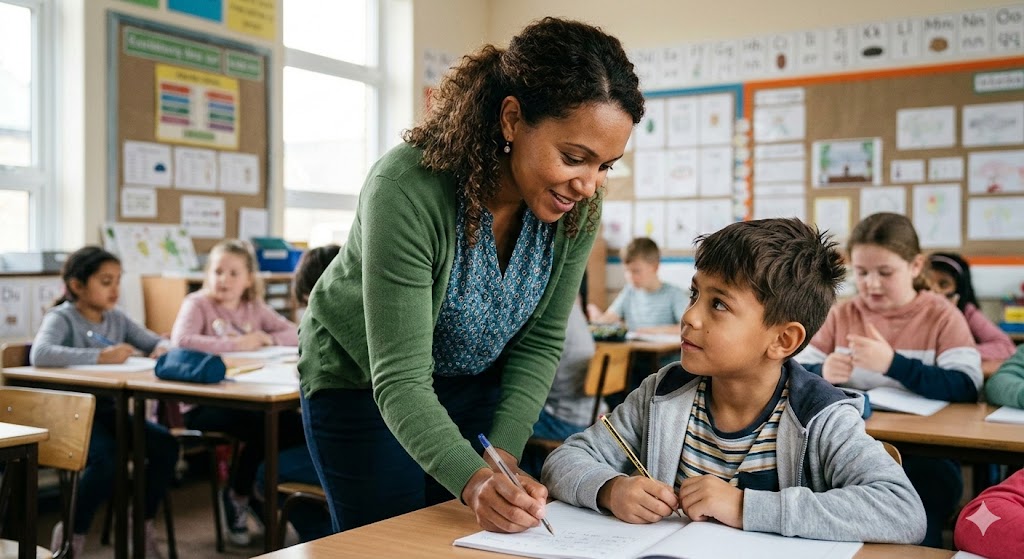
In the diverse landscape of language education, understanding the different kinds of learners is crucial for effective teaching. Each student possesses unique preferences and strengths that influence how they absorb and process information. By identifying whether a learner is visual, auditory, or kinesthetic, language teachers can tailor their instructional strategies to meet the specific needs of their students. This acknowledgment not only enhances engagement and motivation but also significantly improves learning outcomes. As educators strive to create inclusive and effective learning environments, recognizing and adapting to the various learning styles in the classroom becomes an essential practice.
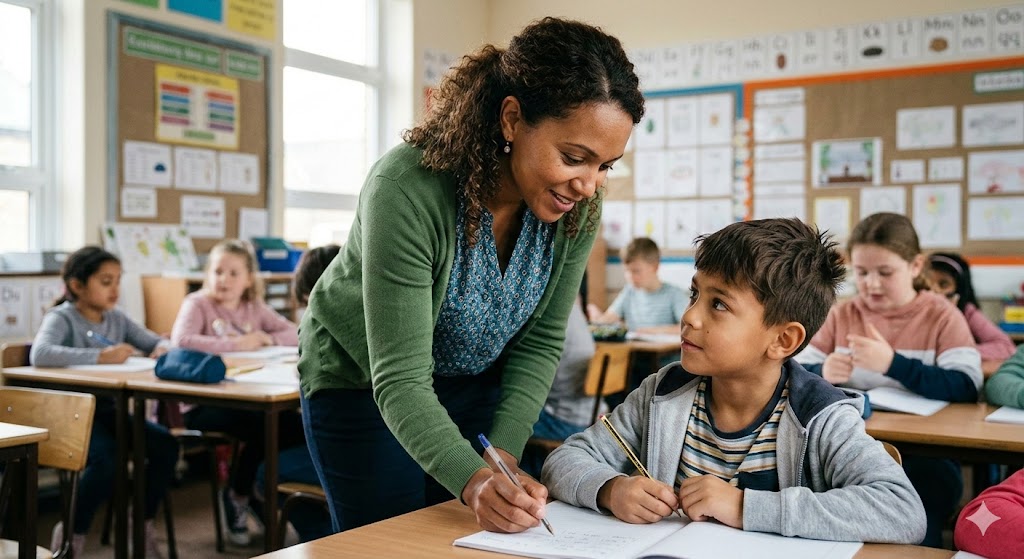
Understanding Different Kinds of Learners
Definition of Learning Styles
Learning styles are the distinct ways individuals absorb, process, and retain information. Just like how some people can nail a recipe just by watching, while others need to read every little detail, learners have their unique preferences. Identifying these styles can supercharge the learning experience, allowing both students and teachers to work with their strengths rather than against them.
Overview of Major Learner Categories
While everyone is a beautiful mix of learning preferences, we typically categorize learners into three major groups: visual, auditory, and kinesthetic. Visual learners thrive on pictures, diagrams, and graphs, while auditory learners resonate with sounds, music, and spoken words. Kinesthetic learners, on the other hand, like to get hands-on—think of the kids who learned their ABCs by molding clay letters. Recognizing these categories helps tailor teaching methods to meet students where they are!
The Importance of Learner Identification
Impact on Student Engagement
When teachers identify learning styles, it’s like finding the right key for a lock. Engaging students becomes much easier when lessons align with their preferred methods. A visual learner will probably perk up at colorful charts, while auditory learners may nod along to a catchy song about grammar. Engaged students are happier, and we all know happiness leads to better retention—like that catchy jingle stuck in your head!
Facilitating Effective Communication
Understanding student learning styles fosters better communication between teachers and learners. When teachers present information in a way that resonates with each type of learner, it’s as if they’ve suddenly become fluent in their students’ “languages.” This helps break down barriers and promotes an inclusive atmosphere where everyone feels valued and supported.
Enhancing Learning Outcomes
By identifying and catering to different learning styles, teachers can enhance overall learning outcomes. Imagine a class where every lesson is like a tailored suit—fit just right! Students grasp concepts more thoroughly, retain information longer, and demonstrate increased motivation. The result? A generation of eager learners ready to take on the world (or at least their next quiz).
Visual Learners: Characteristics and Strategies
Identifying Visual Learners
Visual learners often gravitate toward graphs, images, and anything that pops off the page. You might spot them doodling diagrams during your lecture or asking for color-coded notes. If they’re always quick to point out that they "see what you mean," you might just have a visual learner in your midst!
Effective Teaching Techniques
To engage visual learners, teachers should incorporate a variety of visual aids: think infographics, slideshows, and videos. Use mind maps to show relationships between concepts and encourage learners to create their own visual notes. Bonus points for the teacher who can pull off a lively (and perhaps slightly dramatic) interpretation of a topic—adding pizzazz to visuals can make a lasting impression!
Tools and Resources for Visual Learning
Equip your visual learners with resources like graphic organizers, interactive whiteboards, and educational apps that use visuals effectively. Websites with rich images and videos, such as YouTube or educational platforms like Kahoot!, can also provide engaging content. Just remember: never underestimate the power of a good old-fashioned poster board for crafting that all-important visual connection!
Auditory Learners: Characteristics and Strategies
Identifying Auditory Learners
Auditory learners often respond well to sound. They're the ones who might hum along during group study sessions or prefer discussions over solitary reading. If you’ve noticed a student who seems to absorb information better through conversation, chances are, you’re dealing with an auditory learner.
Effective Teaching Techniques
To captivate auditory learners, teachers should leverage discussions, lectures, and group activities. Storytelling and role-playing can also be effective in conveying concepts. Singing a catchy tune to memorize vocabulary or providing audio recordings can make learning more enjoyable and effective. Get ready for a few impromptu sing-alongs!
Tools and Resources for Auditory Learning
Provide auditory learners with tools like podcasts, audiobooks, and recorded lectures. Use apps that emphasize listening skills, such as language-learning platforms with audio components. Encourage participation in study groups so they can discuss and explain concepts to one another. Who knew that chatting could be such a powerful learning tool?
Kinesthetic Learners: Characteristics and Strategies
Identifying Kinesthetic Learners
Kinesthetic learners are the ones who’ll literally jump at the chance to learn through movement. If your student can’t sit still for more than five seconds and often fidgets or stands up during lessons, you may have a kinesthetic learner on your hands. They often excel in physical activities and are more engaged when they can use their bodies in the learning process. Look for enthusiasm for hands-on projects, frequent breaks to move around, and a tendency to doodle while listening. If they’re tapping their feet or bouncing in their chairs, it’s a sure sign!
Effective Teaching Techniques
Teaching kinesthetic learners is like trying to corral a bunch of squirrels—you need to get creative! Incorporate activities that allow them to move, such as role-playing, games, and interactive storytelling. Use gestures and body language to reinforce language concepts, turning vocabulary practice into a dance party (who knew learning could have such rhythm?). Encourage group work that involves building, creating, or acting out scenarios. The key is to keep them engaged and active, as this helps solidify their understanding in a way that fits their learning style.
Tools and Resources for Kinesthetic Learning
There are plenty of tools to keep your kinesthetic learners engaged and dancing through their language lessons. Think about using flashcards for movement—students can toss them around, jumping up to catch the right card each time they hear a word. Incorporate technology, like apps that combine movement with learning (yes, there’s an app for that!). You could also leverage props or physical objects that relate to vocabulary—let them handle the items while you discuss their uses. Finally, don’t forget about outdoor learning opportunities—nature is the ultimate classroom for these active learners!
Implications for Language Teaching Methods
Adapting Curriculum to Learning Styles
Curating a curriculum that embraces different learning styles is like hosting a potluck—you want to make sure there’s something for everyone! For kinesthetic learners, incorporate projects that require movement and interaction. Include opportunities for role-play and real-life conversations where they can practice language skills. By adapting your existing materials and lessons to include more active engagement, you ensure that your students aren’t just passive participants but active explorers of the language.
Implementing Differentiated Instruction
Differentiated instruction is not just educational jargon; it’s a necessary approach for meeting students’ varying needs. This means providing multiple avenues for students to explore, understand, and apply language concepts. For kinesthetic learners, consider offering options that include physical activities and peer collaboration while also providing auditory and visual aids to support other learning styles. This way, you create a rich tapestry of learning experiences where every student can shine in their own unique way.
Tailoring Instruction to Diverse Learning Styles
Integrating Multiple Learning Styles in Lessons
To reach all learners, aim to integrate a mix of learning styles within your lessons. Think of it like a buffet—offer a selection of auditory, visual, and kinesthetic activities. For example, you could start with a short video to introduce a topic, follow up with a discussion, and then let students create a physical project to apply their new knowledge. Blending styles not only keeps things fresh but also allows students to engage with the material in ways that resonate with them.
Creating a Supportive Learning Environment
A supportive learning environment is like a cozy blanket on a chilly day—everyone feels better wrapped up in it. Celebrate the uniqueness of each learner and foster a culture where movement is welcomed, and creativity is encouraged. Arrange your classroom to allow for collaboration and movement, provide flexible seating options, and create a spirit of camaraderie among students. When students feel safe to express themselves and experiment with language, they are more likely to thrive—no squirrel antics required!
Conclusion: Enhancing Language Acquisition through Learner Awareness
Recap of Key Points
To wrap it all up like a well-loved textbook, understanding the different types of learners—including our high-energy kinesthetic friends—allows language teachers to craft lessons that actually resonate. By identifying these learners and adapting methods and materials, we create dynamic environments where every student can engage with the language, making learning not just effective but also enjoyable.
Future Considerations for Language Teachers
As education continues to evolve, so too should our approaches. Future considerations for language teachers include ongoing professional development in understanding learner diversity and integrating new technologies that promote interactive learning. Keeping an eye on emerging trends and tools will help you stay ahead of the curve and ensure that all learners, regardless of their style, have an opportunity to shine. After all, a well-rounded language education should be as dynamic and diverse as the students themselves!In conclusion, recognizing the different kinds of learners in a language classroom is vital for fostering a productive and engaging learning environment. By understanding the unique characteristics and preferences of visual, auditory, and kinesthetic learners, teachers can implement tailored strategies that enhance language acquisition and student success. Embracing these diverse learning styles not only empowers students but also enriches the overall teaching experience, paving the way for more effective communication and connection in the language learning journey.
FAQ
What are the main types of learners?
The main types of learners are visual, auditory, and kinesthetic. Visual learners prefer to see and visualize information, auditory learners learn best through listening and verbal communication, while kinesthetic learners engage through hands-on experiences and physical activity.
How can teachers identify the learning styles of their students?
Teachers can identify learning styles through observations, assessments, and questionnaires that gauge students' preferences for processing information. Engaging students in discussions about their preferred learning methods can also provide valuable insights.
Why is it important to adapt teaching methods to different learning styles?
Adapting teaching methods to different learning styles is important because it helps to enhance student engagement, improves understanding and retention of material, and accommodates individual needs, leading to better learning outcomes for all students.
Can students have a combination of learning styles?
Yes, many students exhibit a combination of learning styles, known as multimodal learners. These students may benefit from a variety of teaching approaches that cater to their diverse preferences, allowing for a more versatile and effective learning experience.